glass bottom petri dish
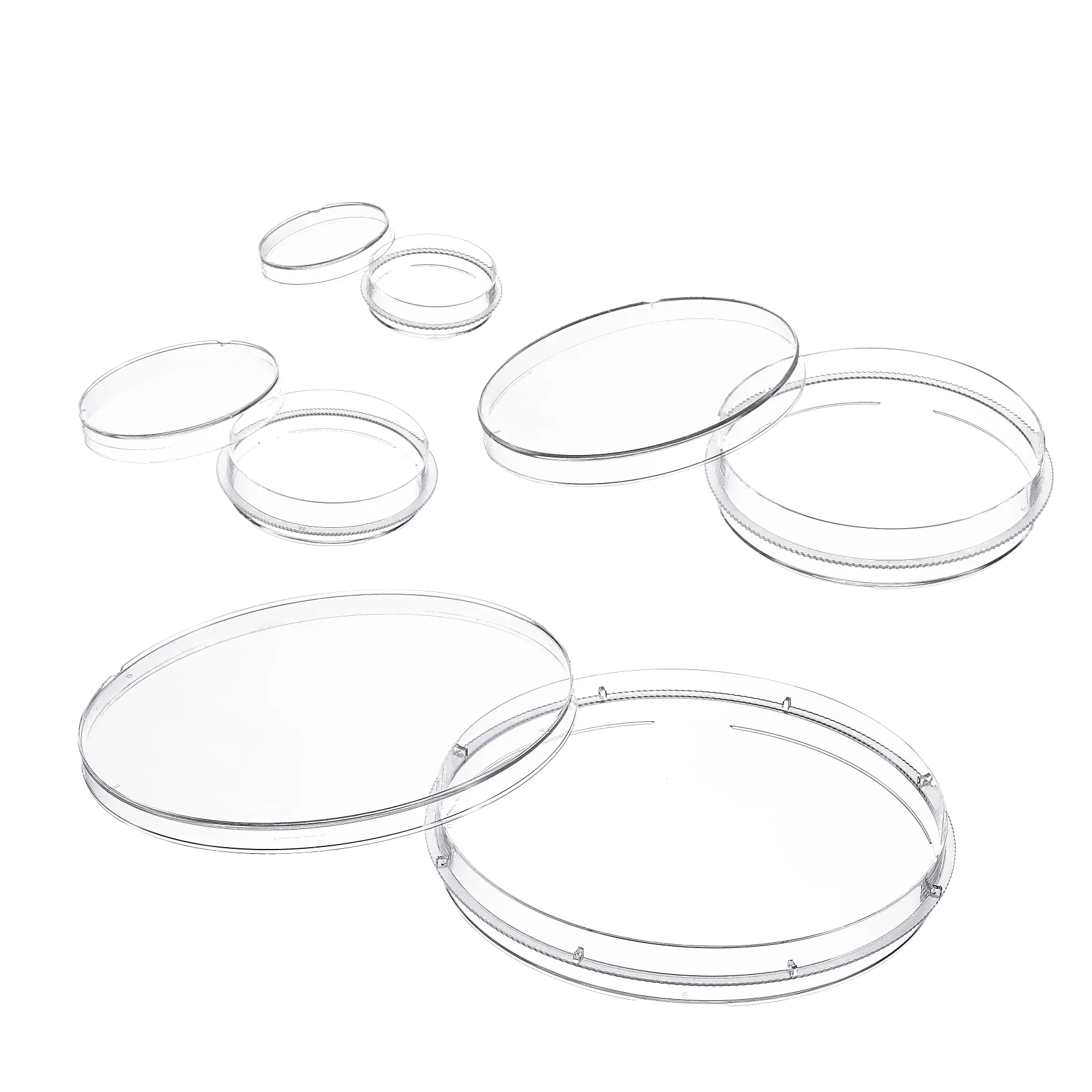
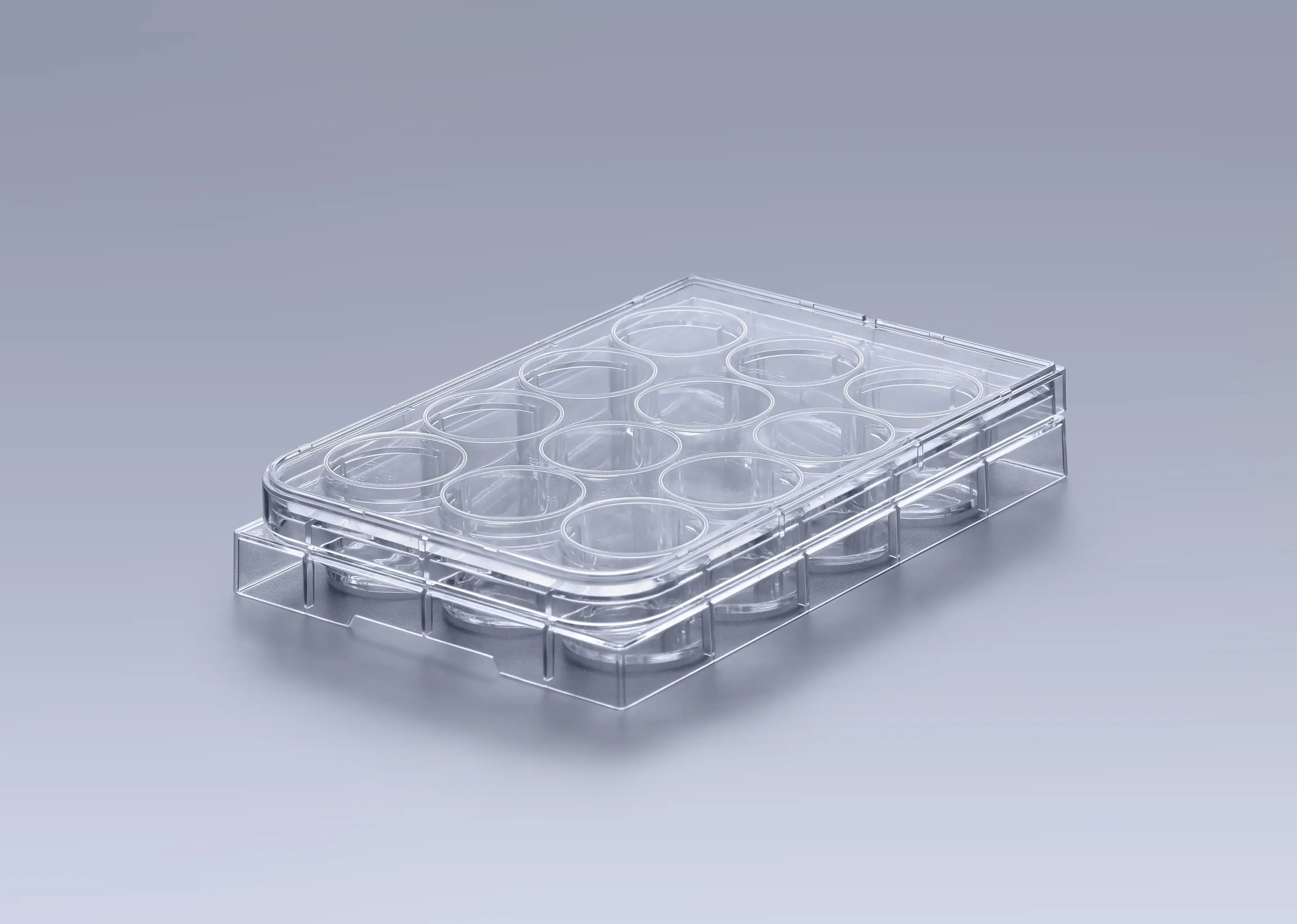
A glass bottom petri dish represents an essential laboratory tool that combines traditional petri dish functionality with advanced optical capabilities. This innovative glass bottom petri dish features a specialized transparent glass base that enables direct microscopic observation of cell cultures and biological specimens without transfer or disruption. The glass bottom petri dish is designed specifically for researchers and scientists who require real-time visualization of living organisms and cellular behaviors.
The technological features of a glass bottom petri dish include a precision-ground glass bottom surface that maintains optical clarity while preserving sterile conditions. Unlike standard plastic petri dishes, the glass bottom petri dish offers superior optical quality, allowing researchers to perform high-resolution imaging and fluorescence microscopy directly within the culture environment. The walls remain polystyrene for familiar handling characteristics, while the glass bottom petri dish base accommodates various microscope objectives with minimal light distortion.
Applications for the glass bottom petri dish span across multiple disciplines including cell biology, microbiology, pharmacology, and developmental biology research. Scientists utilize the glass bottom petri dish for live-cell imaging, tracking cellular migration, monitoring drug responses, and studying developmental processes. The glass bottom petri dish proves invaluable in cancer research, regenerative medicine, and environmental microbiology. Research institutions, pharmaceutical companies, and academic laboratories depend on the glass bottom petri dish to capture dynamic cellular processes and generate publishable research data. This specialized laboratory equipment has become indispensable for advancing modern biomedical research.

 EN
EN