petri dish cell culture
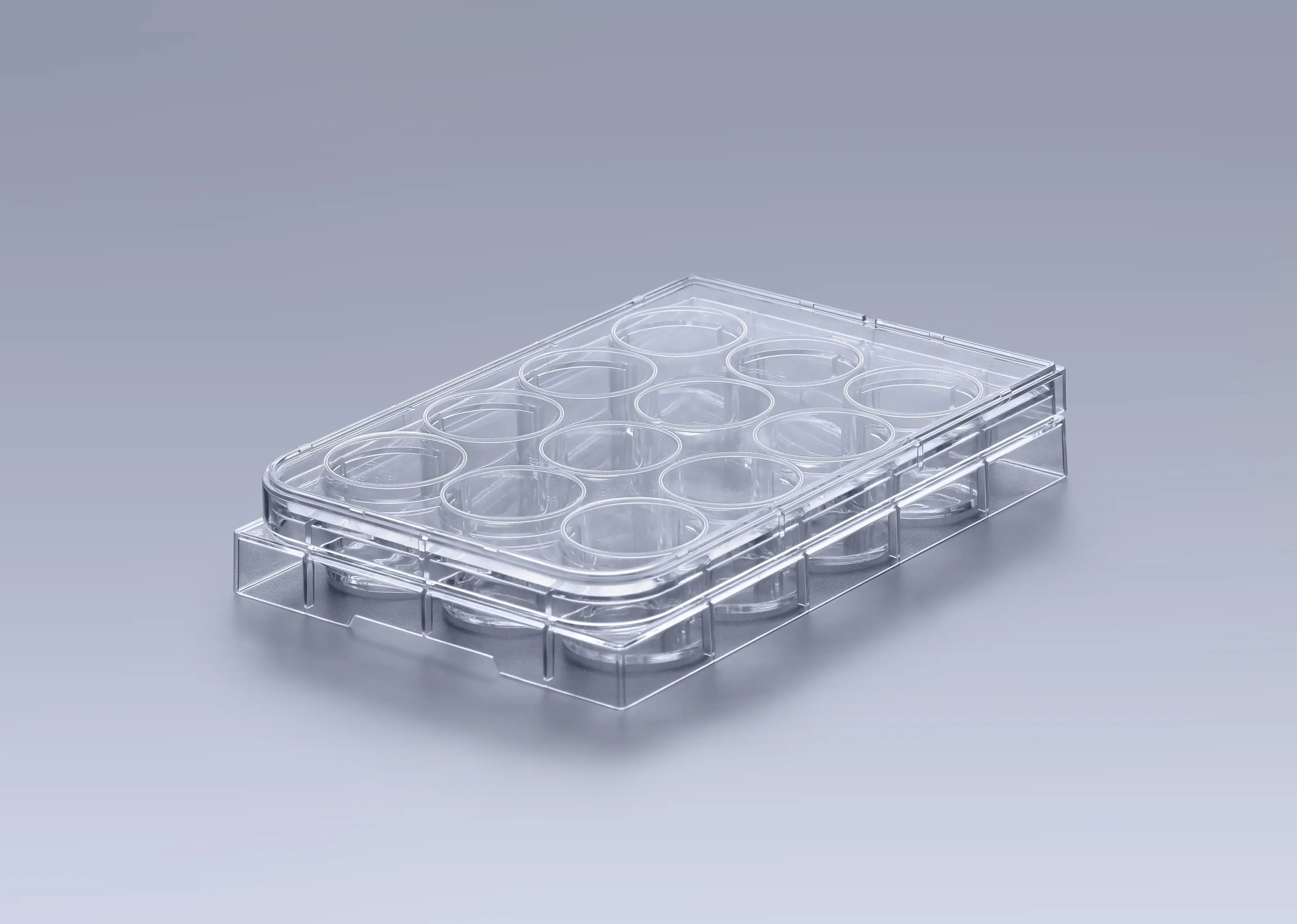
Petri dish cell culture represents a fundamental laboratory technique that enables scientists and researchers to grow and maintain living cells in controlled environments. This essential method involves culturing cells on nutrient-rich agar or liquid media contained within shallow, circular dishes, creating optimal conditions for cellular development and observation. Petri dish cell culture serves multiple critical functions in modern biological research, pharmaceutical development, and medical diagnostics. The primary function of petri dish cell culture is to provide a sterile, controlled platform where cells can multiply, differentiate, and interact naturally. Technological features of petri dish cell culture include transparent plastic or glass construction, allowing easy microscopic observation, and standardized dimensions that facilitate consistent experimental results. The agar or growth medium used in petri dish cell culture contains essential nutrients, pH buffers, and growth factors necessary for cellular sustainability. Applications of petri dish cell culture span across microbiology, where bacteria and fungi cultures are routinely established, and cell biology, where mammalian and plant cells are cultivated for research purposes. Petri dish cell culture plays a vital role in antibiotic sensitivity testing, vaccine development, and disease research. Educational institutions rely on petri dish cell culture for teaching fundamental microbiology and cellular biology principles to students. The simplicity combined with effectiveness makes petri dish cell culture an indispensable tool in laboratories worldwide, supporting breakthrough discoveries and advancing scientific understanding of cellular behavior and growth dynamics.

 EN
EN