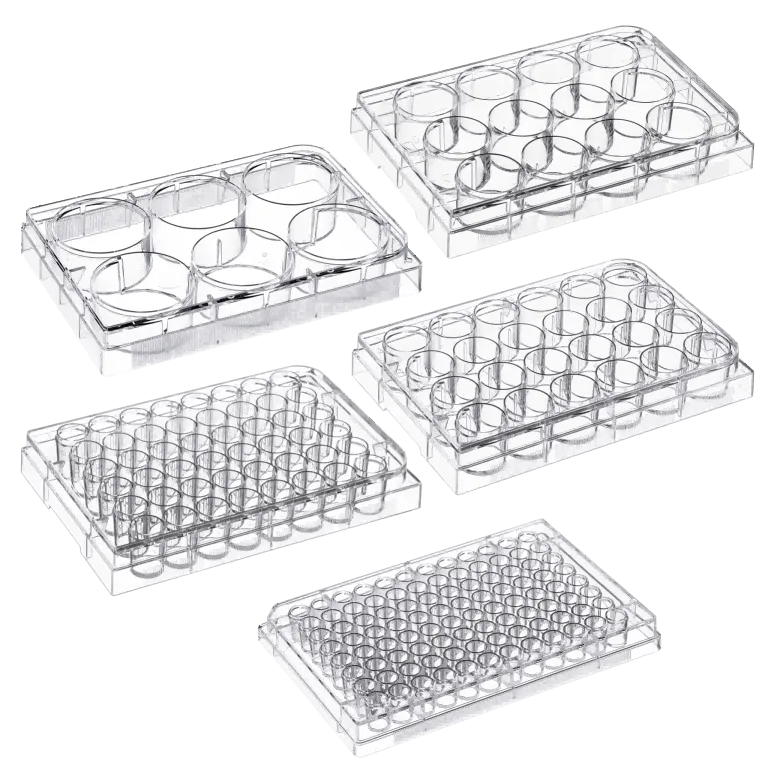
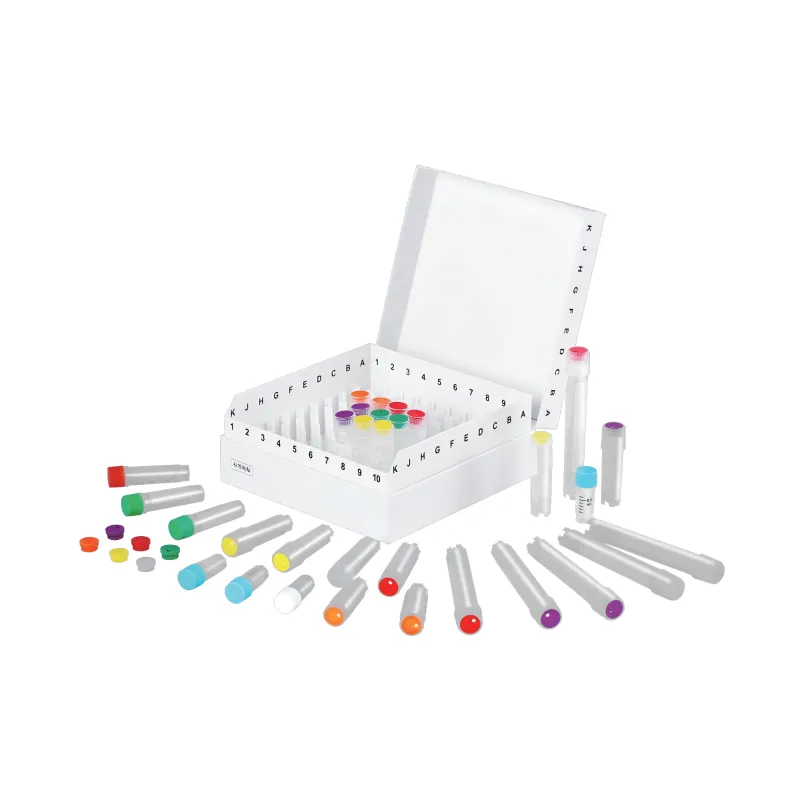
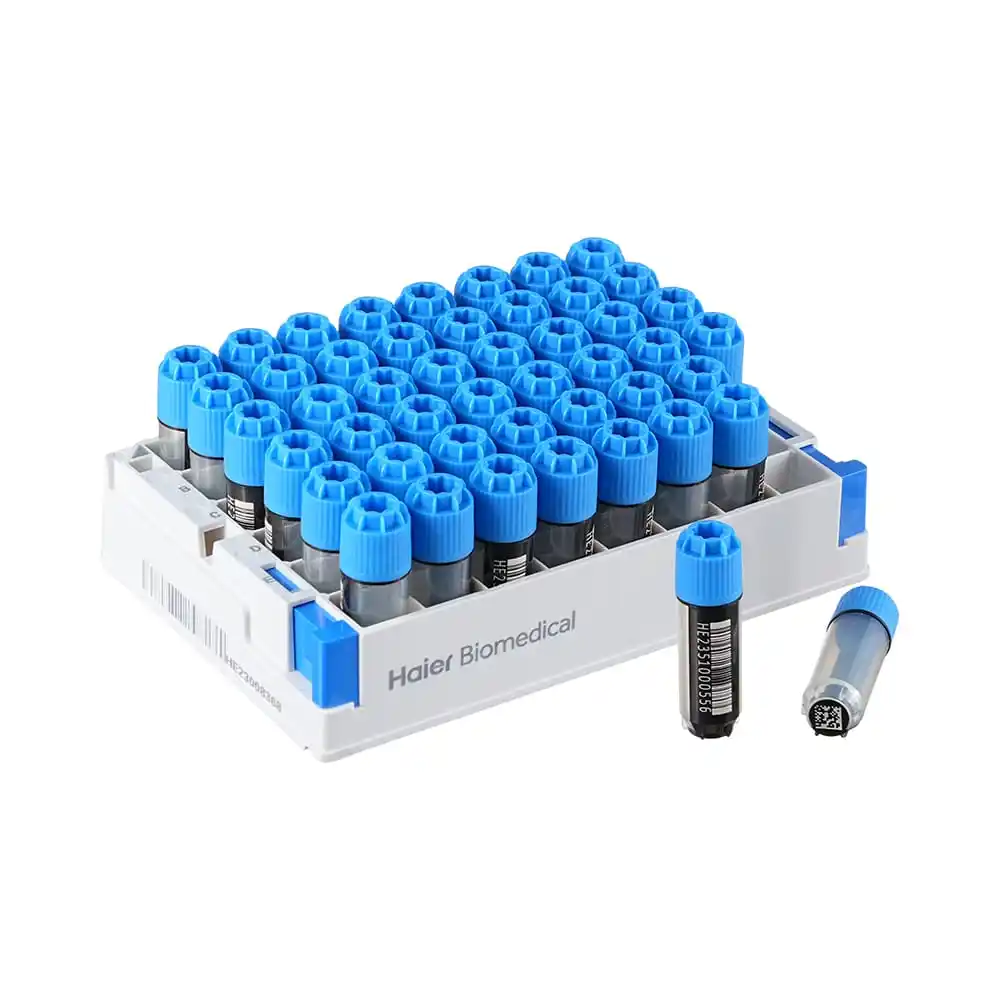
petri dish cells
Petri dish cells represent a fundamental tool in modern biological and medical research, serving as a controlled environment for studying cellular behavior and growth. Petri dish cells are cultured in sterile, nutrient-rich conditions within shallow cylindrical glass or plastic dishes, enabling scientists and researchers to observe cellular development, reproduction, and response to various stimuli under controlled laboratory settings.
The main functions of petri dish cells include facilitating cellular research, disease modeling, and pharmaceutical testing. Petri dish cells allow researchers to examine how cells interact, differentiate, and respond to environmental changes. Technological features of petri dish cells include precise temperature control, humidity management, and contamination prevention systems that maintain optimal growth conditions. Modern petri dish cells are often equipped with advanced imaging capabilities and real-time monitoring systems.
Applications for petri dish cells span numerous fields including medical diagnostics, cancer research, microbiology, immunology, and vaccine development. Petri dish cells enable researchers to test drug efficacy, study pathogenic behavior, and develop treatment strategies without requiring animal testing. The versatility of petri dish cells makes them indispensable in biotechnology laboratories, academic institutions, and pharmaceutical companies. They provide cost-effective solutions for preliminary research before conducting expensive clinical trials, accelerating the pace of scientific discovery and innovation in healthcare and biological sciences.

 EN
EN