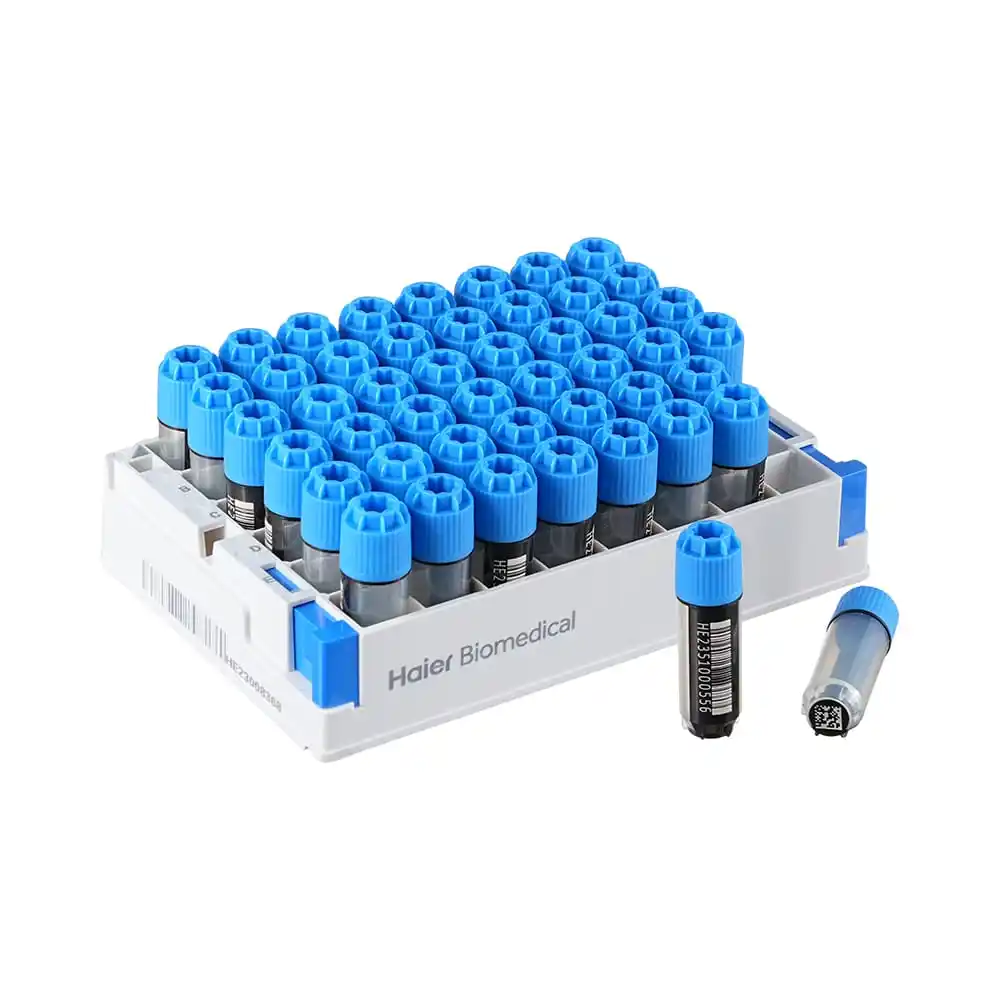
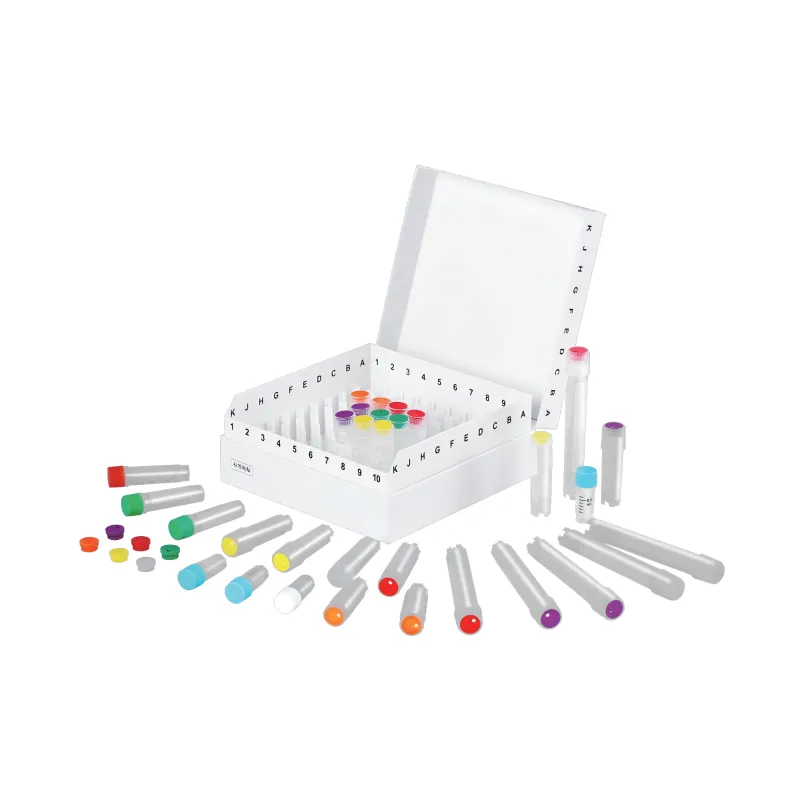
cell culture dish
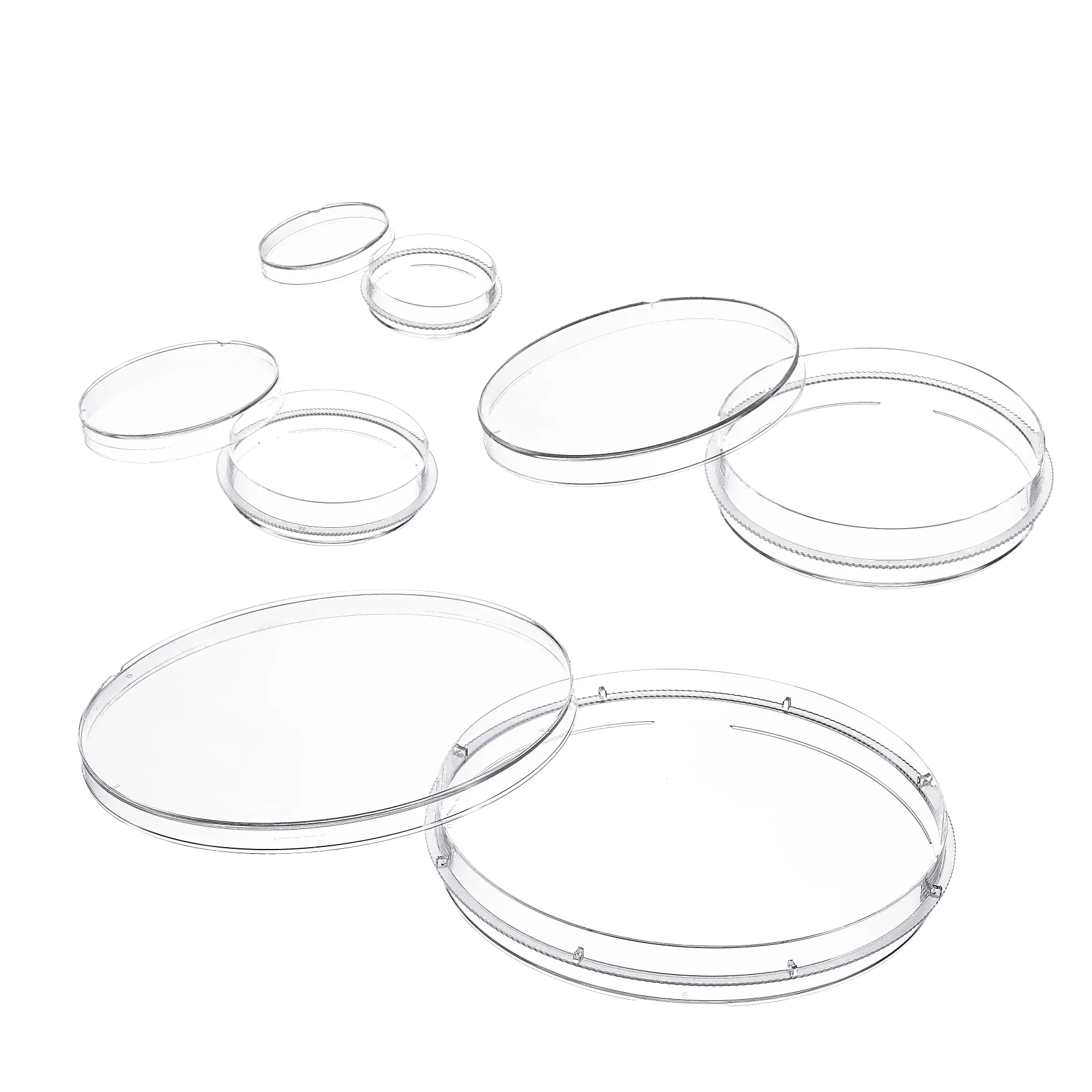
A cell culture dish represents an essential laboratory tool designed for growing and maintaining living cells in a controlled environment. This specialized cell culture dish provides researchers and scientists with a reliable platform for conducting cellular experiments, drug testing, and biological research. The cell culture dish features a sterile, flat-bottomed surface that promotes optimal cell adhesion and uniform growth across the entire vessel.
The primary function of a cell culture dish involves creating an ideal microenvironment where cells can proliferate, differentiate, and maintain their natural characteristics. Modern cell culture dish designs incorporate advanced surface treatments that enhance cell attachment while minimizing contamination risks. These dishes come in various sizes, from small 35mm formats to larger 100mm plates, allowing researchers to scale their experiments according to specific research requirements.
Technologically, a cell culture dish is engineered with precision-molded polystyrene or glass materials that withstand repeated sterilization cycles and prolonged storage. The transparent construction enables real-time microscopic observation without removing samples, facilitating continuous monitoring of cell behavior and development. Many advanced cell culture dish products feature improved gas exchange capabilities, allowing oxygen and carbon dioxide to circulate freely while maintaining sterile conditions.
Applications for the cell culture dish span numerous scientific fields, including pharmaceutical development, vaccine production, regenerative medicine, and basic biological research. Researchers utilize the cell culture dish to test potential drug compounds, evaluate cell responses to environmental changes, and conduct toxicity assessments. The versatility of a cell culture dish makes it indispensable in modern laboratories worldwide, supporting groundbreaking discoveries and innovations in life sciences.

 EN
EN