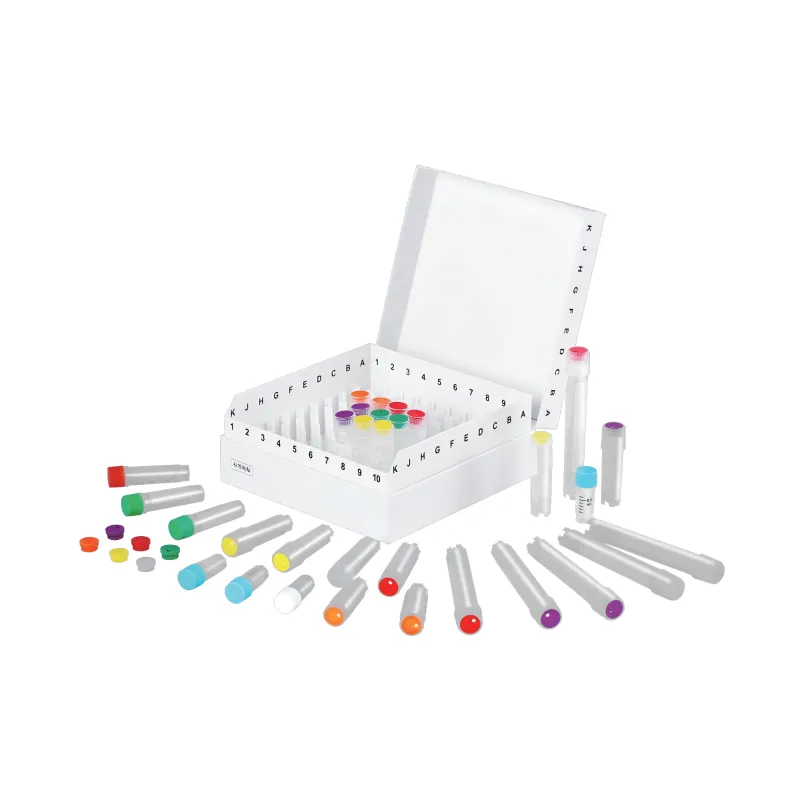
cell dishes
Cell dishes are specialized laboratory containers designed for culturing, maintaining, and observing living cells in controlled environments. These essential tools serve as the foundation for cellular research, providing researchers with reliable platforms to study cell behavior, growth patterns, and biological responses. Cell dishes come in various sizes and configurations, each tailored to specific research applications and experimental requirements.
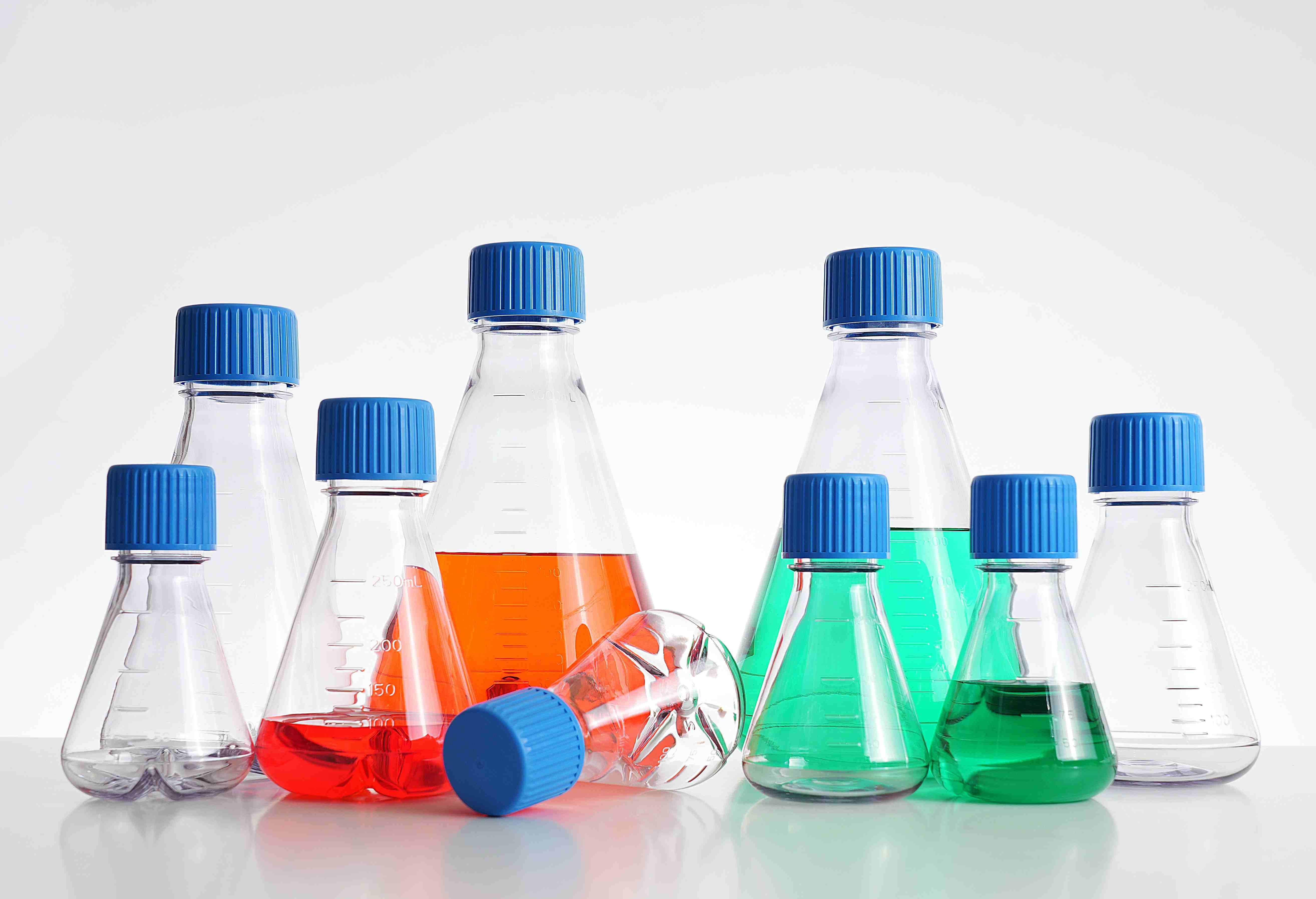
The primary functions of cell dishes include creating sterile environments where cells can thrive, facilitating nutrient exchange, and enabling direct observation of cellular activity under microscopes. Modern cell dishes incorporate advanced technological features such as treated surfaces that promote cell adhesion, gas-permeable membranes for optimal oxygen exchange, and graduated measurements for precise volume control. These innovations ensure that cell dishes maintain ideal conditions for both adherent and suspended cell cultures.
Cell dishes find extensive applications across multiple scientific disciplines. In pharmaceutical research, they enable drug testing and toxicity screening. In regenerative medicine, cell dishes support tissue engineering and stem cell research. Biotechnology laboratories utilize cell dishes for protein production and vaccine development. Educational institutions employ cell dishes in teaching microbiology, cell biology, and related sciences. The versatility of cell dishes makes them indispensable in modern biological research, clinical diagnostics, and industrial biotechnology applications. Their consistent quality and reliability have established cell dishes as standard equipment in laboratories worldwide, supporting groundbreaking discoveries and therapeutic innovations.

 EN
EN