
 EN
EN



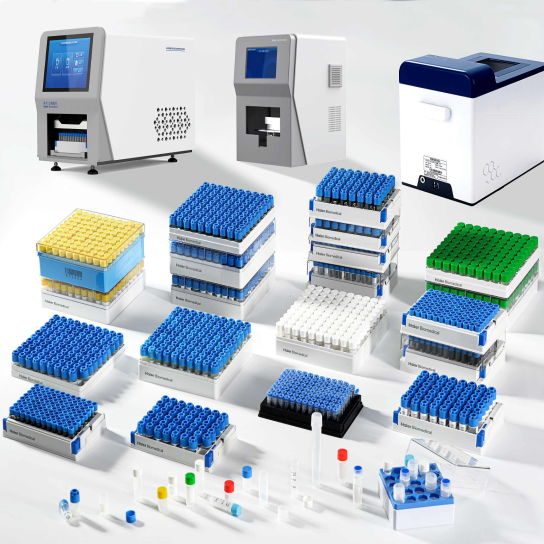
The Evolution of Sample Storage in Modern Scientific Research
The landscape of scientific research has been dramatically transformed by revolutionary advances in cryogenic storage technology. As genetic and clinical studies become increasingly sophisticated, the demand for reliable, efficient, and innovative cryogenic vials has never been higher. These specialized containers serve as the cornerstone of biological sample preservation, enabling groundbreaking research across multiple scientific disciplines.
Modern cryogenic vials represent a remarkable fusion of materials science and precision engineering, designed to maintain sample integrity under extreme conditions. From automated tracking systems to enhanced durability features, these storage solutions are pushing the boundaries of what's possible in laboratory research.
Advanced Materials and Design Innovations
Breakthrough Material Technologies
Recent developments in material science have revolutionized the construction of cryogenic vials. Manufacturers now utilize advanced polymers that offer superior thermal resistance and mechanical strength. These materials maintain their structural integrity even at ultra-low temperatures, preventing sample contamination and ensuring long-term storage reliability.
Additionally, new composite materials incorporate specialized additives that enhance thermal conductivity, allowing for more uniform cooling and reducing the risk of sample degradation during the freezing process. These innovations have significantly improved the preservation of sensitive biological materials, particularly in genetic research applications.
Enhanced Sealing Mechanisms
Modern cryogenic vials feature sophisticated sealing technologies that provide unprecedented protection against sample loss and contamination. Advanced silicone gaskets and thread designs create hermetic seals that maintain their effectiveness through multiple freeze-thaw cycles. This development has particularly benefited long-term storage projects where sample integrity is paramount.
The implementation of dual-sealing systems offers an additional layer of protection, incorporating both internal and external barriers against moisture and temperature fluctuations. These innovations have dramatically reduced sample loss rates in clinical studies, leading to more reliable research outcomes.
Digital Integration and Smart Features
Advanced Tracking Systems
The integration of digital technology has transformed sample management in cryogenic storage. Modern vials now incorporate RFID tags and specialized barcoding systems that enable real-time tracking and inventory management. This advancement has significantly reduced human error and improved laboratory efficiency.
Cloud-based sample management systems work in conjunction with these smart features, providing researchers with comprehensive data about storage conditions, access history, and sample information. This level of monitoring ensures compliance with regulatory requirements and enhances research reproducibility.
Temperature Monitoring Capabilities
Cutting-edge cryogenic vials now include embedded temperature sensors that provide continuous monitoring of storage conditions. These smart sensors can detect and alert researchers to any temperature fluctuations that might compromise sample integrity. The integration of IoT technology allows for remote monitoring and automated alert systems, ensuring rapid response to any storage anomalies.
This real-time monitoring capability has become particularly valuable in large-scale clinical trials and biobanking operations, where maintaining precise temperature control is critical for research validity.
Sustainability and Environmental Considerations
Eco-friendly Manufacturing Processes
The latest generation of cryogenic vials reflects a growing commitment to environmental sustainability. Manufacturers have developed production processes that minimize energy consumption and reduce waste materials. These eco-conscious approaches maintain the highest quality standards while decreasing the environmental impact of laboratory consumables.
Innovative recycling programs have been established for used cryogenic vials, ensuring that materials are properly recovered and repurposed. This circular economy approach has resonated with research institutions seeking to reduce their environmental footprint.
Energy-Efficient Storage Solutions
Recent innovations have focused on improving the thermal efficiency of cryogenic vials, resulting in reduced energy consumption during long-term storage. Advanced insulation materials and optimized vial designs help maintain stable temperatures while minimizing the strain on cooling systems.
These energy-efficient features not only contribute to environmental sustainability but also result in significant cost savings for research facilities, making advanced cryogenic storage more accessible to a broader range of institutions.
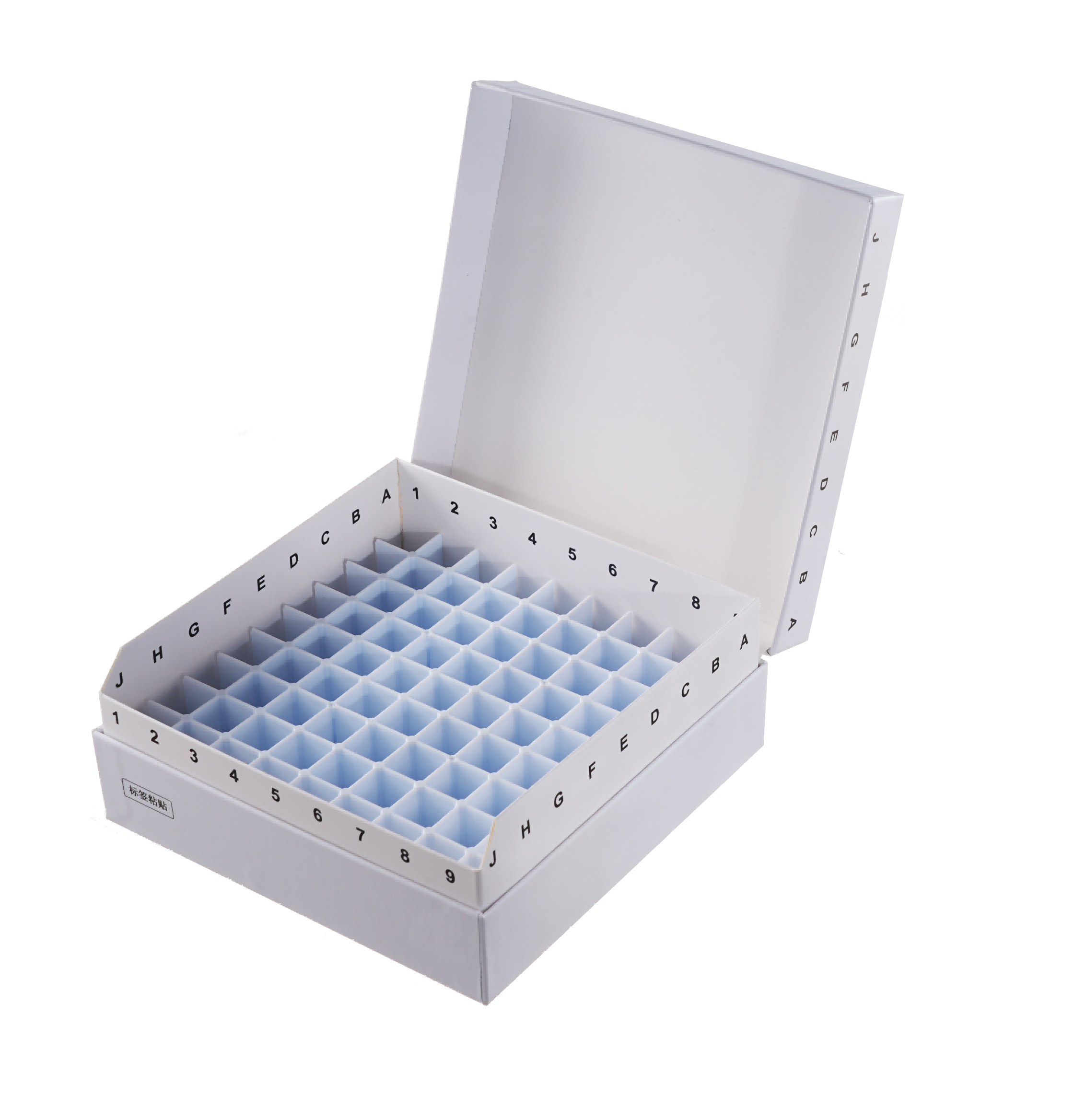
Applications in Emerging Research Fields
Personalized Medicine and Biobanking
The evolution of cryogenic vials has been instrumental in advancing personalized medicine initiatives. These specialized storage solutions enable the preservation of patient-specific samples for extended periods, supporting the development of targeted therapeutic approaches and genetic profiling studies.
Biobanks have particularly benefited from these innovations, as they can now maintain vast collections of biological samples with unprecedented reliability and traceability. This capability has accelerated research in rare diseases and genetic disorders, leading to breakthrough discoveries in treatment approaches.
Cell Therapy and Regenerative Medicine
Advanced cryogenic vials play a crucial role in the rapidly expanding field of cell therapy. The latest innovations provide optimal conditions for preserving stem cells and other cellular materials, essential for regenerative medicine applications. These storage solutions maintain cell viability and functionality, crucial for successful therapeutic outcomes.
The development of specialized vials for specific cell types has enabled more precise control over storage conditions, improving the success rates of cell-based treatments and research initiatives.
Future Perspectives and Emerging Trends
Automation and Robotics Integration
The future of cryogenic storage is increasingly automated, with robotic systems designed to handle vials without human intervention. These systems minimize exposure to ambient conditions and reduce the risk of human error. Advanced robotics platforms can now manage large-scale sample libraries with unprecedented efficiency and precision.
Integration with artificial intelligence systems is enabling predictive maintenance and optimized storage protocols, further enhancing the reliability of long-term sample preservation.
Customization and Scalability
Emerging trends point toward increased customization options in cryogenic vial design. Manufacturers are developing modular systems that can be adapted to specific research requirements, offering flexibility in storage capacity and configuration. This adaptability is particularly valuable for growing research programs and evolving laboratory needs.
The focus on scalability ensures that storage solutions can grow with research programs, maintaining consistency and compatibility across expanding sample collections.
Frequently Asked Questions
What are the primary advantages of using modern cryogenic vials over traditional storage methods?
Modern cryogenic vials offer superior temperature stability, enhanced tracking capabilities, improved sample security, and better preservation of biological material integrity. They also feature advanced sealing mechanisms and smart monitoring systems that significantly reduce the risk of sample degradation or loss.
How long can samples be stored in current cryogenic vials?
With proper maintenance and storage conditions, samples can be preserved in modern cryogenic vials for decades. The latest innovations in materials and sealing technology ensure minimal degradation over extended periods, making them ideal for long-term research projects and biobanking applications.
What safety features are incorporated into contemporary cryogenic vials?
Contemporary cryogenic vials include multiple safety features such as dual-sealing systems, contamination barriers, temperature monitoring sensors, and tamper-evident closures. They also incorporate clear labeling systems and tracking technology to prevent mix-ups and ensure sample security.