
 EN
EN



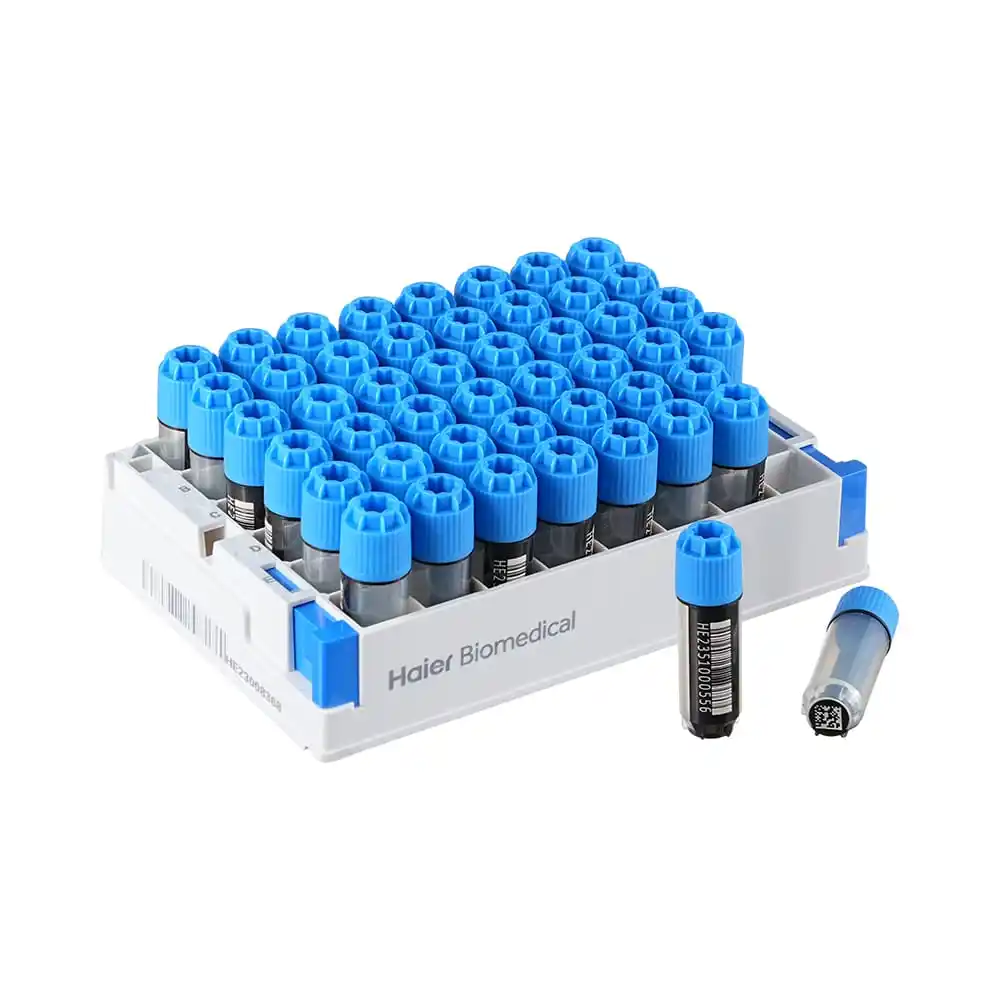
Essential Guidelines for Selecting Research-Grade Cryogenic Storage Solutions
Laboratory research success heavily depends on the quality and reliability of storage solutions, particularly when it comes to cryogenic vials. These specialized containers play a crucial role in preserving biological samples, cell cultures, and other sensitive materials at ultra-low temperatures. Making informed decisions about cryogenic vials can significantly impact sample integrity, research outcomes, and long-term storage efficiency.
The selection of appropriate cryogenic vials requires careful consideration of multiple factors, from material composition to safety features. Whether you're establishing a new laboratory or upgrading existing storage systems, understanding these critical elements will help ensure the preservation of valuable research materials and the success of your scientific endeavors.
Material Composition and Durability Standards
Advanced Polymer Technologies
Modern cryogenic vials are predominantly manufactured using specialized polypropylene compounds engineered to withstand extreme temperature conditions. These advanced polymers maintain their structural integrity even at temperatures as low as -196°C, the boiling point of liquid nitrogen. The molecular structure of these materials prevents brittleness and cracking, common issues with standard plastic containers exposed to cryogenic conditions.
Recent innovations in polymer science have led to the development of medical-grade resins that offer enhanced clarity, improved chemical resistance, and superior thermal stability. These materials undergo rigorous testing to ensure they meet the stringent requirements for long-term cryogenic storage while maintaining sample purity.
Surface Treatment and Manufacturing Standards
The interior surface treatment of cryogenic vials plays a vital role in preventing sample adhesion and ensuring complete sample recovery. Advanced manufacturing processes incorporate specialized surface modifications that create optimal conditions for sample preservation while minimizing the risk of contamination or material interaction.
Quality control measures during production include precision molding techniques that eliminate potential weak points and ensure consistent wall thickness throughout the vial. This attention to manufacturing detail directly impacts the vial's ability to perform reliably under extreme temperature conditions.
Design Features and Functional Considerations
Closure Systems and Sealing Mechanisms
The effectiveness of cryogenic vials largely depends on their sealing mechanism. Modern designs feature various closure systems, from traditional screw caps to innovative snap-seal technologies. External thread designs help prevent sample contamination by keeping thread contact away from stored materials, while internal threads may offer advantages in terms of storage density.
Advanced sealing technologies incorporate silicone gaskets or O-rings specially formulated for cryogenic applications. These components maintain their flexibility and sealing properties even at extremely low temperatures, ensuring sample security throughout long-term storage periods.
Volume Capacity and Graduation Markings
Cryogenic vials come in various sizes, typically ranging from 1.0mL to 5.0mL, with precise graduation markings for accurate sample volume measurement. The selection of appropriate volume capacity depends on specific research requirements, storage space optimization, and sample handling protocols.
Clear graduation marks and ample writing surfaces for sample identification are essential features that facilitate proper laboratory documentation and sample tracking. Some advanced vials incorporate dual-side graduation marks and enhanced contrast printing for improved visibility under various lighting conditions.
Safety and Compliance Requirements
Regulatory Standards and Certifications
Research institutions must ensure their cryogenic vials meet relevant regulatory requirements and industry standards. This includes compliance with FDA, USP Class VI, and ISO standards for medical devices and laboratory equipment. Certified cryogenic vials undergo extensive testing for biocompatibility, sterility, and performance under extreme conditions.
Documentation of compliance testing and certification should be readily available from manufacturers, providing assurance of product quality and suitability for specific research applications. This documentation becomes particularly important for research projects involving clinical samples or regulatory submissions.
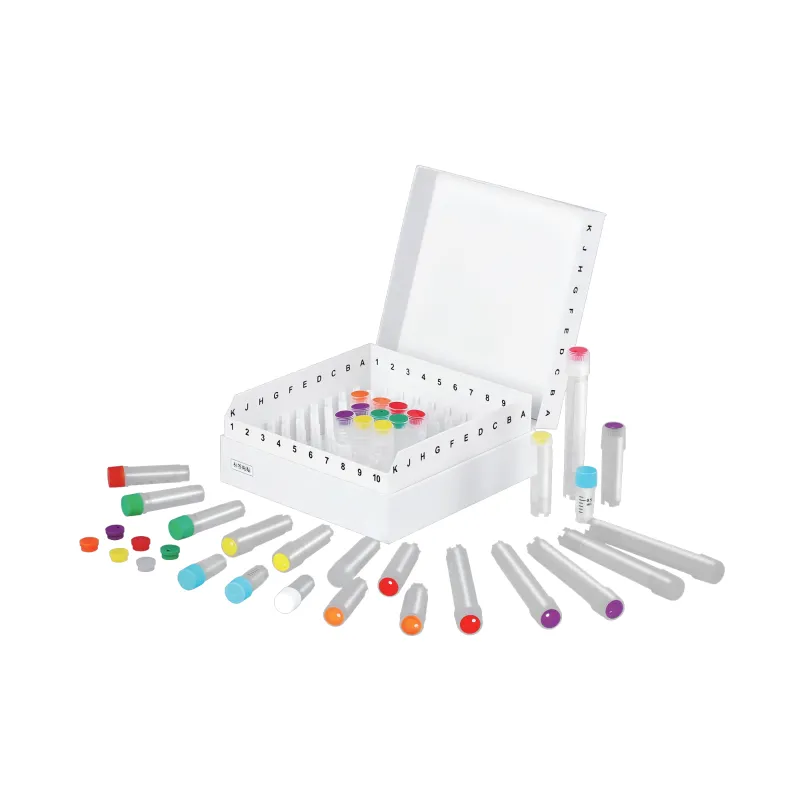
Safety Features and Risk Mitigation
Modern cryogenic vials incorporate various safety features designed to protect both samples and laboratory personnel. Self-standing designs reduce the risk of spills and contamination, while specialized cap designs prevent explosion risks during the thawing process. Some advanced models include visual indicators for proper cap closure, ensuring secure sample storage.
Additional safety considerations include chemical resistance to common laboratory substances, compatibility with automated handling systems, and clear labeling options for proper sample identification and tracking.
Storage System Integration and Workflow Efficiency
Compatibility with Storage Infrastructure
The selection of cryogenic vials should take into account their compatibility with existing storage systems and laboratory equipment. This includes consideration of rack designs, automated handling systems, and storage container dimensions. Standardized external dimensions ensure seamless integration with various storage solutions while maximizing space utilization.
Modern storage systems often incorporate barcode scanning capabilities, requiring vials with suitable labeling surfaces and compatibility with various labeling technologies. The ability to integrate with laboratory information management systems (LIMS) can significantly enhance sample tracking and inventory management efficiency.
Workflow Optimization and Handling Considerations
Efficient laboratory workflows require cryogenic vials that facilitate easy handling and processing. Features such as ergonomic cap designs, quick-thread closures, and stable self-standing bases contribute to improved handling efficiency and reduced risk of sample loss.
Consider the specific requirements of your research protocols, including the frequency of sample access, thawing procedures, and any automated processing steps. The chosen vials should support these workflows while maintaining sample integrity and user safety.
Frequently Asked Questions
What temperature range can cryogenic vials typically withstand?
High-quality cryogenic vials are designed to maintain their integrity from -196°C (liquid nitrogen temperature) up to +121°C (autoclave conditions). This wide temperature range ensures stability during both storage and sterilization processes.
How can I ensure proper sample identification on cryogenic vials?
Most cryogenic vials feature specialized writing surfaces that accept various marking methods, including permanent markers, cryogenic labels, and barcode systems. It's recommended to use multiple identification methods and verify label durability under storage conditions.
Are all cryogenic vials suitable for long-term storage in liquid nitrogen?
While most cryogenic vials are marketed for liquid nitrogen storage, it's essential to verify specific product certifications and testing data. Look for vials explicitly tested for long-term storage stability and those featuring appropriate safety features for liquid nitrogen applications.
How should cryogenic vials be sterilized before use?
Most high-quality cryogenic vials can be sterilized through autoclaving at 121°C for standard cycles. Some manufacturers also offer pre-sterilized options certified to specific sterility assurance levels (SAL). Always verify sterilization compatibility and follow manufacturer recommendations for specific products.