
 EN
EN



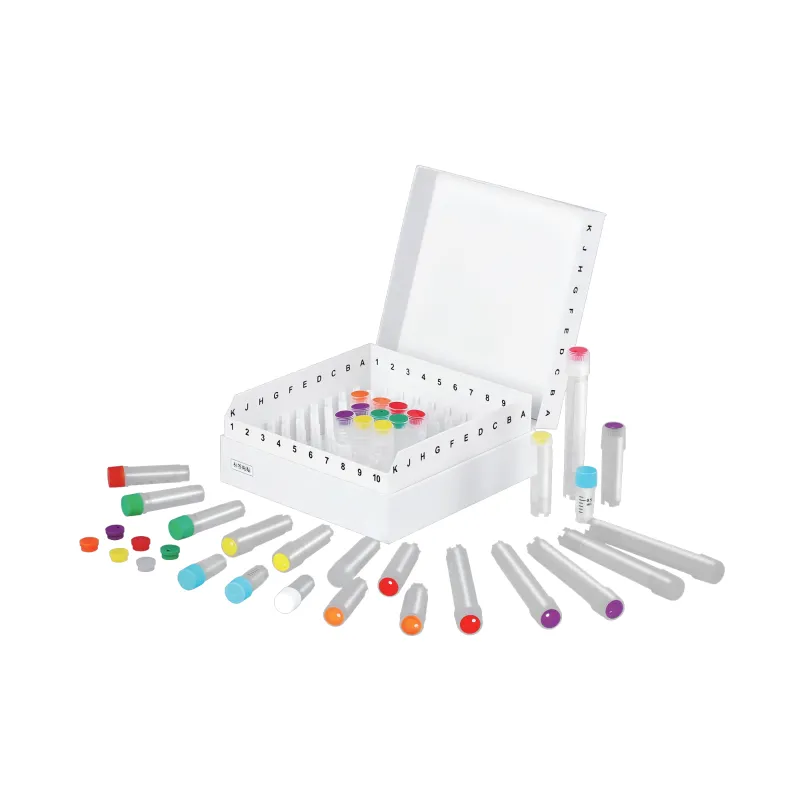
Understanding the Critical Role of Cryogenic Sample Storage
In modern biological and medical research, the preservation of valuable samples at ultra-low temperatures is paramount to maintaining their integrity and viability. Cryotubes have emerged as the gold standard in sample storage technology, offering unparalleled protection for specimens that must be maintained at temperatures as low as -196°C. These specialized containers serve as the cornerstone of biobanking, research laboratories, and medical facilities worldwide, ensuring that precious biological materials remain stable and viable for extended periods.
The significance of proper sample storage cannot be overstated, as even minor temperature fluctuations or exposure to environmental factors can compromise years of research or irreplaceable clinical specimens. Cryotubes are specifically engineered to withstand the extreme conditions of cryogenic storage while protecting the contained materials from contamination, degradation, and thermal stress.
Design Features and Engineering Excellence
Material Innovation and Construction
Modern cryotubes are manufactured using advanced polymers, typically polypropylene, that maintain their structural integrity at ultra-low temperatures. These materials undergo rigorous testing to ensure they won't become brittle or crack under extreme cold conditions. The walls of cryotubes are precisely engineered to provide optimal thermal protection while remaining thin enough to allow rapid and uniform cooling of the contained samples.
The construction process incorporates special molding techniques that eliminate weak points and ensure consistent wall thickness throughout the tube. This attention to detail prevents potential stress points that could lead to failure during temperature cycling or long-term storage.
Sealing Mechanisms and Closure Systems
One of the most critical aspects of cryotube design is the sealing mechanism. High-quality cryotubes feature sophisticated closure systems that create an airtight and leakproof seal, preventing sample contamination and evaporation. The caps are typically designed with multiple thread turns or innovative locking mechanisms that maintain their seal integrity even during repeated freeze-thaw cycles.
Advanced sealing technologies may include silicone O-rings or specialized gaskets that provide additional protection against leakage. These components are carefully selected to maintain their flexibility and sealing properties at cryogenic temperatures, ensuring sample security throughout the storage period.
Temperature Management and Thermal Protection
Thermal Stability Features
Cryotubes excel in maintaining thermal stability through their specialized design features. The uniform wall thickness and material composition work together to prevent rapid temperature changes that could damage sensitive biological samples. The tubes are engineered to withstand repeated transitions between room temperature and cryogenic conditions without compromising their structural integrity.
Advanced thermal management properties include controlled cooling rates and resistance to thermal shock. This protection is crucial during the initial freezing process and subsequent handling of samples, where temperature gradients could otherwise lead to sample degradation or loss.
Vapor Phase vs. Liquid Phase Storage
Cryotubes are versatile enough to perform effectively in both vapor and liquid phase storage environments. In vapor phase storage, samples are maintained above the liquid nitrogen level, reducing the risk of cross-contamination while still maintaining ultra-low temperatures. The tubes' design ensures adequate thermal transfer in this environment while protecting against temperature fluctuations.
For liquid phase storage, cryotubes incorporate special features to prevent liquid nitrogen infiltration and potential explosion risks during thawing. The materials and sealing systems are specifically tested for submersion in liquid nitrogen, ensuring long-term safety and sample preservation.
Sample Organization and Tracking Systems
Identification and Labeling Solutions
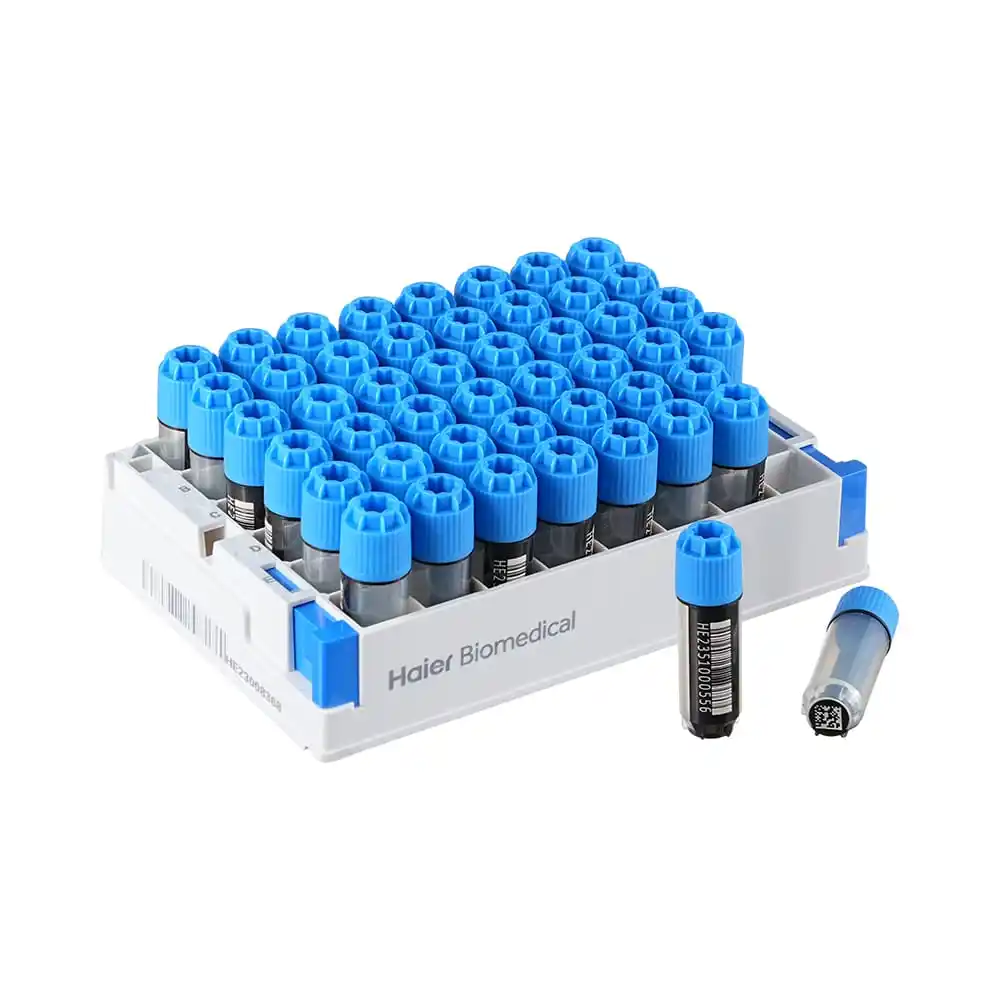
Modern cryotubes incorporate various identification features to maintain sample traceability. Permanent graduation marks and writing areas allow for manual labeling, while specialized surfaces accept printed labels or direct printing. Many tubes include 2D barcodes or other machine-readable identifiers that integrate with laboratory information management systems.
The labeling areas are designed to withstand cryogenic temperatures and repeated handling without degradation or loss of information. This durability ensures that critical sample information remains legible throughout the storage period, preventing costly mix-ups or loss of sample identity.
Storage System Integration
Cryotubes are designed to be compatible with standard storage systems and automation equipment. Their dimensions and features allow for efficient organization in cryoboxes, racks, and automated storage systems. The tubes' external design often includes features that prevent rotation in storage systems, maintaining label orientation for easy reading.
Integration capabilities extend to automated handling systems, with tubes designed to work seamlessly with robotic picking and placing equipment. This compatibility is essential for modern high-throughput biobanking operations and research facilities.
Quality Control and Regulatory Compliance
Manufacturing Standards
The production of cryotubes adheres to stringent quality control protocols and international standards. Manufacturers implement comprehensive testing programs to verify the performance and reliability of each production batch. This includes leak testing, pressure resistance evaluation, and thermal cycling stress tests.
Quality assurance measures extend to material purity testing, ensuring tubes are free from contaminants that could affect sample integrity. Many manufacturers also provide certification of sterility and the absence of human DNA, RNase, DNase, and endotoxins.
Regulatory Requirements
Cryotubes used in medical and research applications must meet various regulatory requirements and standards. This includes compliance with FDA guidelines, ISO standards, and other relevant regulatory frameworks. Manufacturers maintain detailed documentation of their quality management systems and validation procedures.
Regular audits and testing ensure continued compliance with these standards, providing users with confidence in the products' performance and reliability. This regulatory adherence is particularly crucial for applications in clinical settings and pharmaceutical research.
Frequently Asked Questions
What maximum temperature can cryotubes safely withstand?
High-quality cryotubes are typically designed to withstand temperatures ranging from -196°C (liquid nitrogen temperature) up to +121°C (autoclave conditions). However, it's essential to verify the specific temperature range for your particular cryotube model, as capabilities may vary between manufacturers and designs.
How long can samples be stored in cryotubes?
When properly stored in appropriate cryogenic conditions, samples can be maintained in cryotubes for decades without significant degradation. The actual storage duration depends on various factors, including the type of sample, storage temperature, and handling procedures. Regular monitoring and proper documentation of storage conditions are essential for long-term sample preservation.
Are cryotubes reusable?
While some cryotubes are designed for single use to prevent cross-contamination and ensure sample integrity, others can be reused following proper cleaning and sterilization protocols. However, it's crucial to follow manufacturer guidelines regarding reuse, as repeated exposure to extreme temperatures and cleaning processes can potentially affect the tube's structural integrity and sealing capabilities.