
 EN
EN



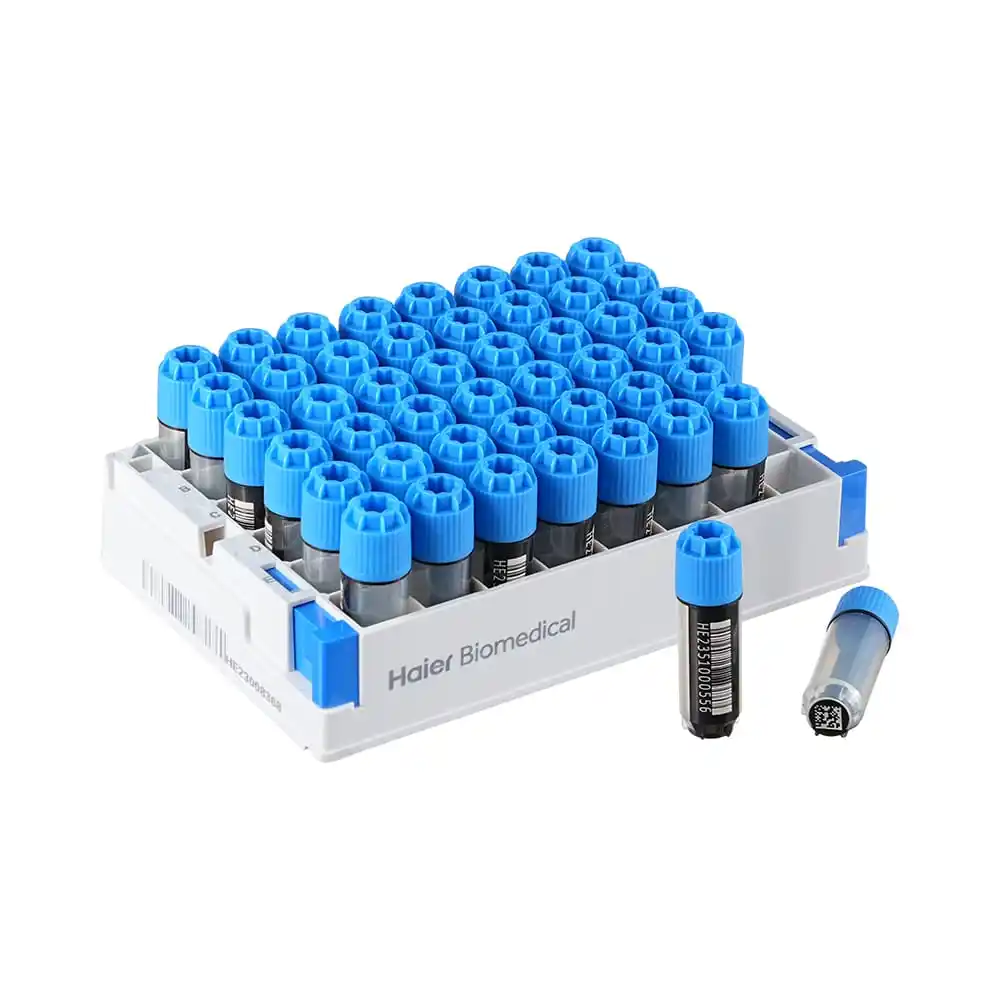
Mastering Cryogenic Sample Management Through Effective Labeling Systems
The success of any laboratory's cryogenic storage system hinges on its ability to accurately track and identify samples. Proper cryogenic vial labeling serves as the foundation for sample integrity, experimental reproducibility, and regulatory compliance. In today's fast-paced research environment, implementing robust labeling and tracking systems for cryogenic vials has become more crucial than ever, especially as laboratories scale up their operations and collaborate across multiple facilities.
The consequences of poor labeling practices can be devastating - from lost research data to compromised patient samples. This comprehensive guide explores the essential best practices for cryogenic vial labeling and tracking, ensuring your valuable specimens remain secure and identifiable throughout their storage lifecycle.
Critical Components of Cryogenic Labeling Systems
Label Material Selection
Choosing the right label material is paramount for successful cryogenic vial labeling. Labels must withstand extreme temperatures, typically ranging from -196°C in liquid nitrogen to room temperature during handling. High-quality cryogenic labels are manufactured using specialized polymers that maintain adhesion and prevent cracking or peeling under these conditions.
Polyester and polypropylene labels with specialized adhesives have emerged as industry standards, offering excellent resistance to both cold temperatures and common laboratory solvents. These materials ensure that crucial sample information remains legible and attached to the vials throughout multiple freeze-thaw cycles.
Printing Technology Considerations
The printing method used for cryogenic vial labeling significantly impacts label durability and readability. Thermal-transfer printing has become the gold standard, as it creates chemical and temperature-resistant impressions that won't fade or smudge. The right combination of printer ribbon and label material ensures optimal print quality and longevity.
Some laboratories are now adopting color coding systems through specialized printers, allowing for quick visual identification of different sample types or storage conditions. This additional layer of organization can greatly improve efficiency in sample retrieval and reduce the risk of misidentification.
Advanced Tracking Solutions for Cryogenic Storage
Barcode Systems Implementation
Modern cryogenic vial labeling systems frequently incorporate barcoding technology to enhance tracking accuracy and efficiency. 2D barcodes, particularly Data Matrix codes, have become increasingly popular due to their small size and ability to store substantial information. These codes can contain detailed sample data, including preparation date, content type, and handling instructions.
When implementing a barcode system, it's essential to establish standardized scanning protocols and train staff thoroughly in their use. Regular verification of barcode readability and backup systems for data storage ensure continuous access to sample information, even if labels become partially damaged.
Digital Inventory Management
Integration of digital inventory management systems with cryogenic vial labeling protocols has revolutionized sample tracking. These systems provide real-time monitoring of sample locations, movement history, and storage conditions. Cloud-based platforms enable secure access to sample information across multiple laboratory locations while maintaining data integrity.
Advanced inventory management software can also generate alerts for sample expiration dates, monitor freeze-thaw cycles, and facilitate audit trails for regulatory compliance. This digital oversight significantly reduces the risk of sample loss and improves resource allocation in busy laboratory environments.
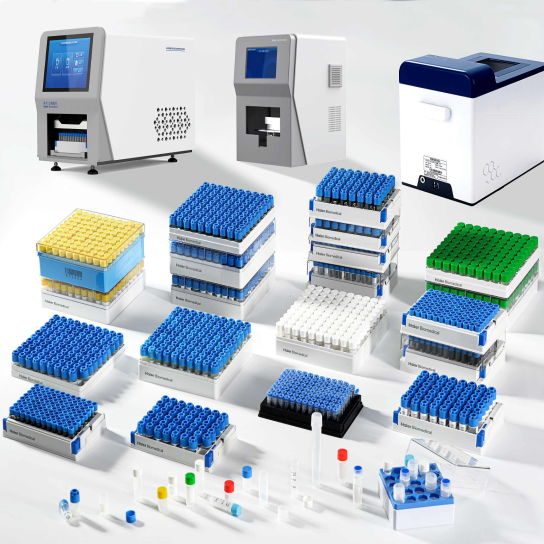
Standard Operating Procedures for Label Application
Surface Preparation Guidelines
Proper surface preparation is crucial for successful cryogenic vial labeling. Vials must be clean and completely dry before label application, as any residual moisture or contaminants can compromise adhesion. Many laboratories implement a standardized cleaning protocol using appropriate solvents that won't leave residues.
Temperature considerations during label application are equally important. Labels should be applied at room temperature, and vials should be equilibrated to avoid condensation issues that could affect adhesion. Some facilities utilize specialized label application tools to ensure consistent placement and prevent wrinkles or air bubbles.
Quality Control Measures
Implementing robust quality control procedures for cryogenic vial labeling is essential for maintaining sample integrity. This includes regular verification of label adherence, legibility checks after freeze-thaw cycles, and periodic audits of tracking system accuracy. Documentation of these quality control measures supports regulatory compliance and helps identify potential improvements in labeling protocols.
Many laboratories have adopted a dual-verification system where two staff members independently confirm correct label information and placement before sample storage. This additional step has proven effective in preventing labeling errors and ensuring long-term sample traceability.
Emergency Procedures and Backup Systems
Label Recovery Protocols
Despite best practices in cryogenic vial labeling, emergencies can occur. Establishing clear procedures for handling damaged or illegible labels is crucial. This includes maintaining backup data systems, implementing redundant labeling methods, and training staff in emergency response protocols.
Some facilities employ multiple identification methods on each vial, such as combining traditional labels with engraved or etched information. This redundancy provides a safety net in cases where primary labels become compromised.
Data Backup Strategies
Regular backup of sample tracking data is essential for protecting valuable research assets. Modern laboratories typically maintain multiple copies of sample information across secure locations, including cloud-based storage systems. Automated backup procedures ensure that critical sample data remains accessible even in the event of system failures or natural disasters.
Periodic testing of data recovery procedures helps verify the effectiveness of backup systems and identifies potential vulnerabilities in the tracking infrastructure. This proactive approach to data management supports both operational continuity and regulatory compliance.
Frequently Asked Questions
What is the optimal temperature range for applying labels to cryogenic vials?
Labels should be applied at room temperature (20-25°C) to ensure proper adhesion. The vials should also be at room temperature and completely dry before label application. Applying labels at extreme temperatures can compromise adhesive performance and lead to poor long-term durability.
How often should cryogenic labels be inspected for integrity?
Regular inspections should be conducted at least quarterly, with additional checks after any temperature cycling events. Visual inspections should assess label adherence, print legibility, and barcode scanability. Any signs of deterioration should trigger immediate label replacement following established protocols.
What backup identification methods are recommended for cryogenic storage?
Best practices include using multiple identification methods such as traditional adhesive labels, permanent marking or etching on vials, and comprehensive digital tracking systems. Color-coding systems, location mapping, and regular inventory documentation provide additional layers of security for sample identification.