
 EN
EN



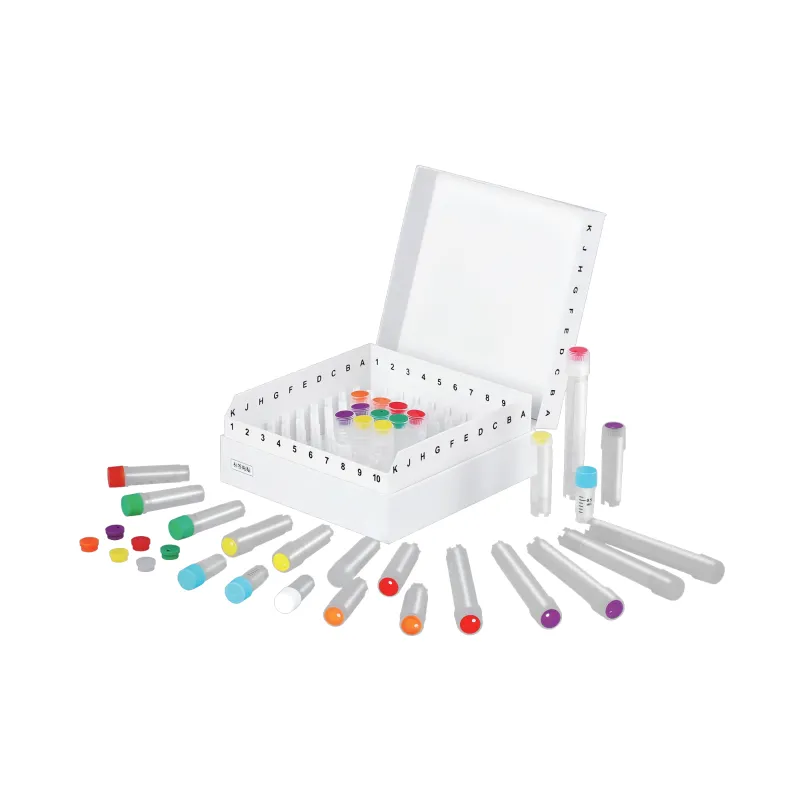
The Evolution of Biological Sample Storage in Modern Science
In the rapidly advancing field of biological research and medical science, the preservation of valuable samples has become increasingly crucial. Cryotubes have emerged as the gold standard for storing sensitive biological materials, particularly in stem cell research and tissue preservation. These specialized storage vessels provide an optimal environment for maintaining cellular integrity over extended periods, revolutionizing how scientists approach long-term sample storage.
The scientific community's reliance on cryotubes has grown exponentially over the past decades, as researchers recognize their superior capabilities in protecting precious biological specimens. From academic laboratories to pharmaceutical companies, these storage solutions have become indispensable tools in advancing medical research and therapeutic developments.
Essential Features of Modern Cryotubes
Advanced Material Construction
Modern cryotubes are engineered using high-grade polypropylene materials that ensure exceptional durability under extreme temperature conditions. These materials maintain their structural integrity even when exposed to temperatures as low as -196°C in liquid nitrogen storage. The careful selection of materials also prevents unwanted chemical interactions with stored samples, maintaining sample purity and viability.
The walls of cryotubes are precisely designed to provide uniform cooling rates, which is crucial for preventing cellular damage during the freezing process. This thoughtful construction helps maintain the structural and functional integrity of stored biological materials, particularly delicate samples like stem cells.
Secure Sealing Mechanisms
One of the most critical features of cryotubes is their sophisticated sealing system. Modern designs incorporate various sealing mechanisms, from traditional screw caps to innovative snap-lock systems, all engineered to prevent sample contamination and evaporation. These sealing systems create an airtight and leak-proof environment, essential for maintaining sample sterility and preventing cross-contamination.
The sealing mechanisms also include special thread designs that maintain their effectiveness even after multiple freeze-thaw cycles, ensuring consistent performance throughout the storage period. This reliability is particularly important for long-term storage applications in stem cell research.
Applications in Stem Cell Research
Preservation of Stem Cell Lines
In stem cell research, cryotubes play a pivotal role in maintaining viable cell lines for extended periods. These vessels provide the perfect environment for storing various types of stem cells, including embryonic, adult, and induced pluripotent stem cells. The controlled environment within cryotubes helps maintain cellular characteristics and differentiation potential, crucial for ongoing research and therapeutic applications.
Researchers utilize cryotubes to establish cell banks, ensuring a consistent supply of well-characterized stem cell lines for their studies. This capability has significantly advanced regenerative medicine research and therapeutic development.
Quality Control and Standardization
The use of cryotubes in stem cell research has helped establish standardized protocols for sample storage and handling. These standardized procedures ensure consistency across different research facilities and enable reliable comparative studies. The ability to maintain uniform storage conditions has been instrumental in advancing stem cell research globally.
Quality control measures are easily implemented using cryotubes, as they allow for systematic sample organization and tracking. This organizational capability is essential for maintaining regulatory compliance and ensuring research reproducibility.
Tissue Preservation Advantages
Maintaining Structural Integrity
When it comes to tissue preservation, cryotubes excel in maintaining the structural integrity of complex biological samples. The controlled freezing environment helps prevent ice crystal formation that could damage delicate tissue structures. This preservation of tissue architecture is crucial for both research purposes and potential clinical applications.
The design of cryotubes allows for optimal cryoprotectant penetration, ensuring uniform protection throughout the tissue sample. This uniform protection is essential for maintaining cellular viability and tissue functionality upon thawing.
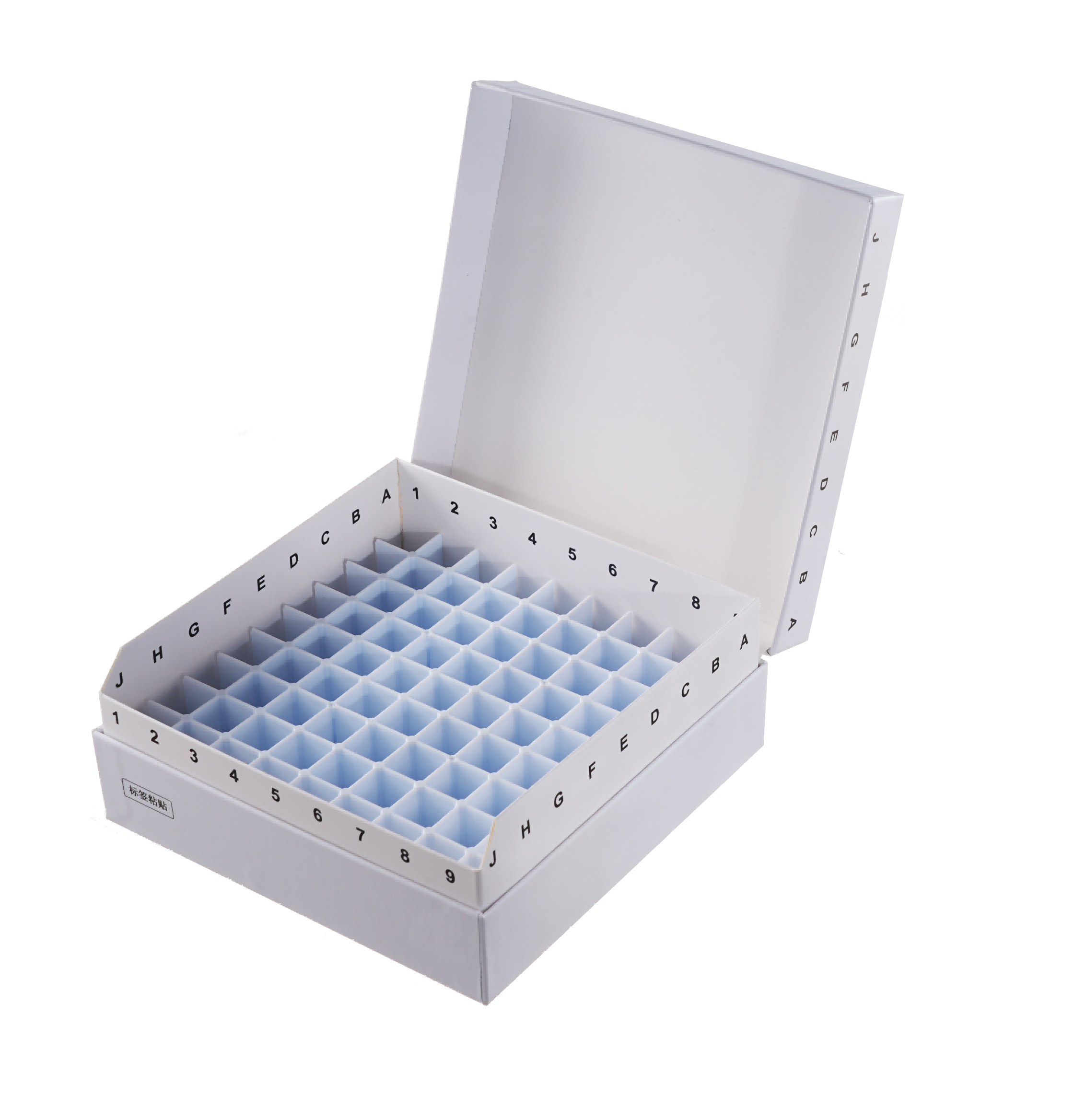
Long-term Storage Solutions
Cryotubes provide reliable long-term storage solutions for preserved tissue samples. Their robust construction ensures sample stability for years or even decades, making them invaluable for biobanking and research archives. The ability to maintain sample integrity over extended periods has revolutionized tissue banking and research capabilities.
The durability of cryotubes in long-term storage has made them essential tools in building comprehensive tissue repositories, supporting various research initiatives and potential therapeutic applications.
Future Developments and Innovations
Smart Storage Solutions
The future of cryotubes is evolving with the integration of smart technologies. New developments include RFID-enabled tubes for automated tracking and monitoring, as well as advanced temperature-sensing capabilities. These innovations are enhancing sample management and ensuring storage condition consistency.
Emerging technologies are also focusing on improving thawing protocols and sample recovery, with new designs incorporating features that facilitate more controlled and efficient sample retrieval processes.
Sustainable Design Approaches
Modern cryotube development is increasingly focusing on sustainability, with manufacturers exploring eco-friendly materials and production methods. These advances aim to reduce environmental impact while maintaining the high performance standards required for biological sample storage.
Innovative designs are also addressing energy efficiency in cryogenic storage systems, helping research facilities reduce their environmental footprint while maintaining optimal sample preservation conditions.
Frequently Asked Questions
How long can samples be stored in cryotubes?
Samples can be stored in cryotubes indefinitely when maintained at appropriate temperatures, typically in liquid nitrogen at -196°C. The key factors affecting storage duration are proper initial preservation, consistent temperature maintenance, and the integrity of the tube's sealing mechanism.
What makes cryotubes different from standard laboratory tubes?
Cryotubes are specifically designed to withstand extreme low temperatures without compromising structural integrity. They feature special materials, superior sealing mechanisms, and designs that ensure uniform cooling rates, unlike standard laboratory tubes which may crack or fail under cryogenic conditions.
How do cryotubes maintain sample sterility?
Cryotubes maintain sample sterility through their airtight sealing systems, sterile manufacturing processes, and the use of materials that prevent contamination. Many come pre-sterilized and individually wrapped, featuring tamper-evident caps and specialized threading to ensure a secure, contamination-free environment.