
 EN
EN



Understanding Cryopreservation Storage Requirements
Selecting the appropriate cryotube size is a critical decision that can significantly impact the success of your laboratory experiments and sample storage. Whether you're preserving cell cultures, tissue samples, or genetic material, the dimensions and capacity of your cryogenic storage containers directly affect sample viability and laboratory efficiency. With multiple options available in the market, from micro-volume tubes to larger storage vessels, making an informed choice requires careful consideration of several key factors.
Essential Factors in Cryotube Selection
Sample Volume Requirements
The primary consideration when choosing cryotube size begins with your sample volume needs. Standard cryotube sizes typically range from 0.5mL to 5mL, with 1.2mL and 2mL being the most commonly used in research laboratories. For cell culture applications, 1.2mL tubes often provide an optimal balance between storage capacity and space efficiency. Larger 4-5mL tubes are preferred for tissue samples or when multiple aliquots need to be stored together.
Consider not just the current volume requirements but also potential future needs. It's often wise to select a cryotube size that allows for some extra space, accounting for sample expansion during freezing and ensuring ease of sample retrieval. Remember that filling tubes to maximum capacity can lead to complications during the freezing process and potentially compromise sample integrity.
Storage Space Optimization
Laboratory storage space is often at a premium, making the efficient use of freezer space crucial. Smaller cryotube sizes allow for higher density storage, maximizing the number of samples that can be preserved in a given space. However, this must be balanced against the practical aspects of sample handling and the risk of cross-contamination.
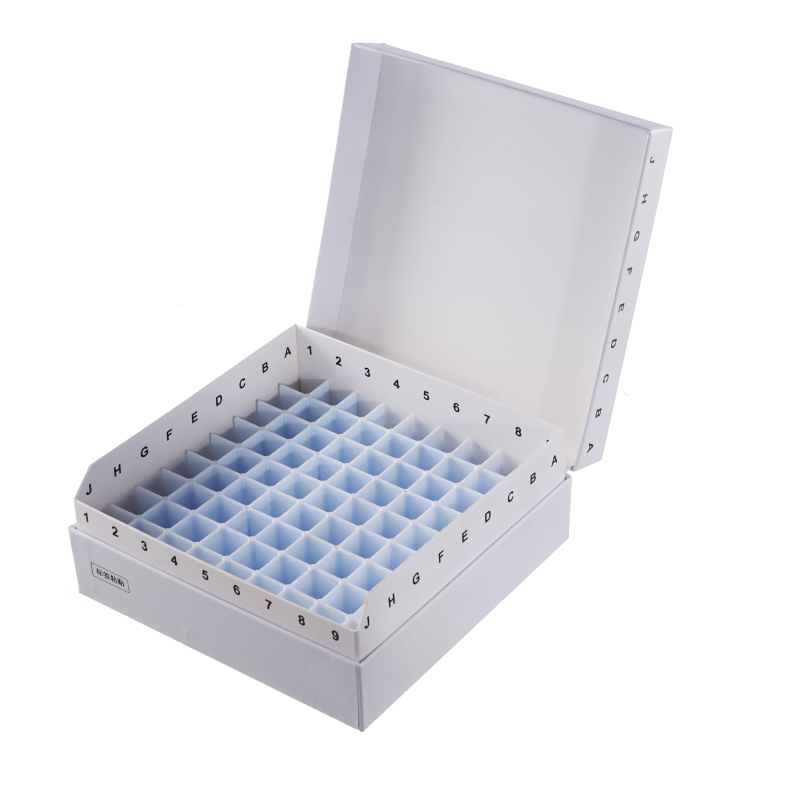
Modern cryostorage systems are designed to accommodate specific tube dimensions. Standard cryoboxes typically hold 81 or 100 tubes, and selecting compatible cryotube sizes ensures optimal organization and tracking of samples. Consider how your chosen tube size will integrate with existing storage infrastructure and whether it allows for efficient sample cataloging and retrieval.
Technical Specifications and Material Considerations
Construction Materials and Durability
The material composition of cryotubes plays a crucial role in maintaining sample integrity during long-term storage. High-quality polypropylene tubes offer excellent chemical resistance and can withstand extreme temperature variations without becoming brittle. When selecting cryotube size, evaluate the wall thickness and overall construction quality, as these factors affect both durability and heat transfer rates during freezing and thawing cycles.
Internal thread designs and cap sealing mechanisms vary with tube size. Larger tubes often feature more robust threading systems to prevent accidental opening during storage. The relationship between tube diameter and wall thickness must be optimized to prevent deformation while maintaining efficient heat transfer during the freezing process.
Temperature Performance Range
Different cryotube sizes exhibit varying thermal properties that affect their performance in ultra-low temperature environments. Smaller tubes generally allow for more rapid and uniform freezing, which can be crucial for sensitive biological samples. Larger tubes may require modified freezing protocols to ensure consistent preservation throughout the sample volume.
Consider the specific temperature requirements of your application. While all cryotubes are designed for use in liquid nitrogen storage (-196°C), some applications may involve frequent temperature cycling or intermediate storage temperatures. The chosen tube size should maintain structural integrity and seal effectiveness across your entire working temperature range.

Practical Handling Considerations
Ergonomic Factors
The physical handling of cryotubes is an often-overlooked aspect of size selection. Tubes must be easy to manipulate while wearing cryogenic gloves, and their dimensions should allow for comfortable handling during labeling, filling, and retrieval operations. Smaller tubes may be more challenging to handle with protective gear, while larger tubes might be unwieldy in certain applications.
Consider the compatibility of your chosen cryotube size with laboratory automation systems if applicable. Many modern laboratories utilize automated storage and retrieval systems that require standardized tube dimensions for reliable operation. The increasing trend toward automation in laboratory processes makes this consideration particularly important for future-proofing your storage solution.
Sample Access and Processing
The frequency of sample access and processing requirements should influence your cryotube size selection. Tubes that will be accessed frequently should provide easy sample retrieval without compromising the integrity of remaining material. For applications involving multiple small aliquots, using several smaller tubes rather than one large tube may be more practical, despite the increased space requirement.
Consider also the downstream processing requirements of your samples. Some analytical techniques require specific minimum volumes, while others may be optimized for particular tube dimensions. Aligning your cryotube size selection with these requirements can streamline laboratory workflows and reduce the need for sample transfer steps.
Frequently Asked Questions
What is the most versatile cryotube size for general laboratory use?
The 2mL cryotube size is generally considered the most versatile option for laboratory applications. It provides adequate storage capacity for most common sample types while maintaining compatibility with standard storage systems and handling protocols.
How does cryotube size affect sample freezing rates?
Smaller cryotube sizes allow for more rapid and uniform freezing due to their reduced volume and surface area ratio. Larger tubes may require controlled-rate freezing protocols to ensure consistent preservation throughout the sample.
Can different cryotube sizes be stored in the same storage box?
While it's technically possible to store different cryotube sizes together, it's not recommended as it can lead to organizational difficulties and potential storage system incompatibilities. Standardizing tube sizes within storage units helps maintain proper organization and sample tracking.