
 EN
EN



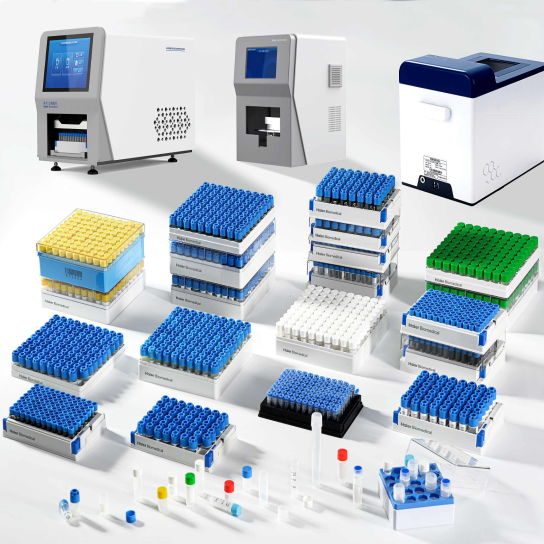
Advanced Biospecimen Storage Solutions for Modern Research
In the ever-evolving landscape of scientific research and biomedical studies, the secure storage and transportation of biological samples have become increasingly critical. Cryotubes represent the cornerstone of sample preservation technology, offering researchers and laboratories a reliable solution for maintaining specimen integrity throughout the entire handling process. These specialized containers have revolutionized how we store, transport, and protect valuable biological materials, from sensitive cell cultures to crucial genetic materials.
The significance of cryotubes extends far beyond their simple containment function. They serve as the primary defense against sample degradation, contamination, and thermal stress during both short-term storage and long-distance transportation. Their role has become even more vital as global collaboration in research continues to expand, necessitating the safe movement of samples between facilities worldwide.
Essential Features of Modern Cryotubes
Advanced Material Construction
Modern cryotubes are engineered using high-grade polypropylene materials that ensure exceptional durability and chemical resistance. These materials are specifically chosen for their ability to withstand extreme temperature variations without compromising structural integrity. The robust construction prevents sample leakage and maintains sterility, even under the most demanding storage conditions.
The inner surfaces of cryotubes are treated with specialized coatings that minimize sample adhesion and prevent protein binding, ensuring maximum sample recovery. This feature is particularly crucial when working with valuable or limited-quantity specimens, where every microliters counts.
Innovative Closure Systems
The sealing mechanism of cryotubes has evolved significantly, incorporating advanced designs that provide both security and convenience. External thread patterns and silicone gaskets create hermetic seals that prevent sample contamination and evaporation. Quick-turn caps facilitate rapid handling while maintaining the integrity of the containment system.
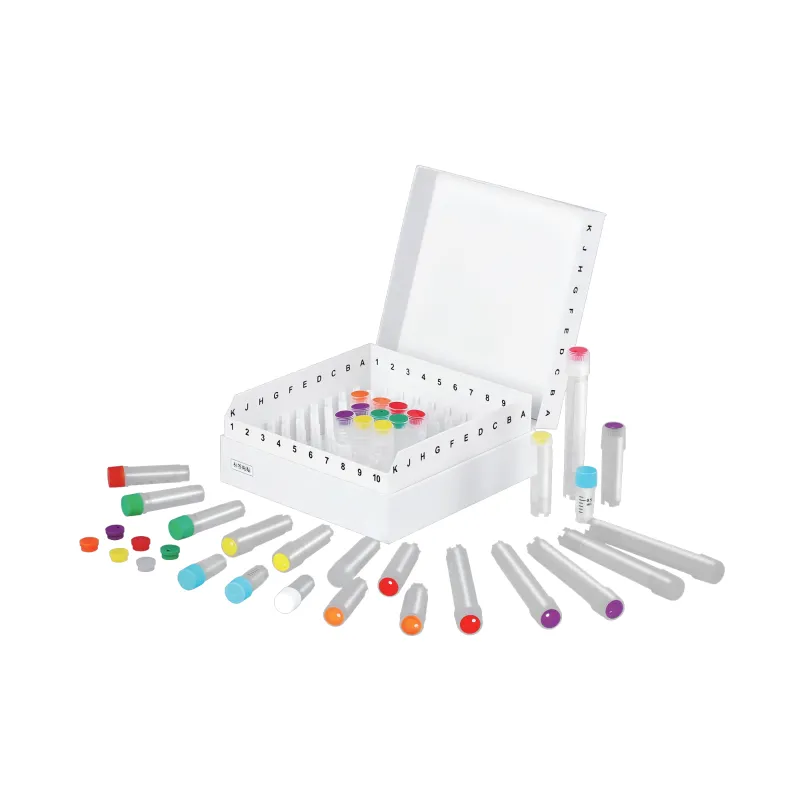
Many modern cryotubes feature color-coded caps and marking areas, enabling efficient sample organization and tracking. These seemingly simple additions have dramatically improved laboratory workflow and reduced the risk of sample misidentification.
Temperature Management Capabilities
Thermal Stability Performance
Cryotubes are designed to maintain stable internal temperatures even when exposed to significant external temperature fluctuations. The specialized materials and construction methods ensure minimal heat transfer, protecting samples from thermal shock during handling and transportation. This stability is crucial for preserving the viability of temperature-sensitive biological materials.
Advanced thermal testing has shown that quality cryotubes can maintain internal temperatures within acceptable ranges for extended periods, even during temporary storage system failures or transportation delays. This reliability provides researchers with confidence in sample integrity throughout the entire handling chain.
Cryogenic Compatibility
Modern cryotubes are validated for use across an extensive temperature range, typically from room temperature down to -196°C (the temperature of liquid nitrogen). This broad operating range makes them suitable for various storage applications, from short-term refrigeration to long-term cryogenic preservation.
The materials used in cryotube construction undergo rigorous testing to ensure they maintain their structural properties and sealing capabilities even after repeated freeze-thaw cycles. This durability is essential for samples that may require multiple accessing events throughout their storage lifetime.
Transportation Safety Measures
Shock Absorption Features
During transport, biological samples face various physical stresses that could potentially compromise their integrity. Cryotubes incorporate design elements that help absorb and dissipate mechanical shocks. The tube walls are engineered to provide optimal thickness and flexibility, protecting contents from the impacts and vibrations associated with handling and shipping.
Storage racks and transportation containers designed specifically for cryotubes often include additional shock-absorbing features, creating a comprehensive protection system for valuable samples during transit.
Regulatory Compliance
Modern cryotubes are manufactured to meet stringent international safety standards and regulations governing the transport of biological materials. They comply with UN3373 and IATA guidelines for the shipping of biological substances, ensuring legal and safe transportation across borders.
Documentation and certification processes associated with cryotube production provide traceability and quality assurance, essential aspects for maintaining regulatory compliance in research and clinical applications.
Future Developments in Cryotube Technology
Smart Storage Solutions
The integration of digital technologies with cryotube systems represents the next frontier in sample management. RFID-enabled tubes and smart storage systems are emerging, offering real-time monitoring of sample conditions and automated inventory tracking. These innovations promise to revolutionize how laboratories manage their biological materials.
Development of new materials and manufacturing techniques continues to push the boundaries of what's possible in sample preservation. Researchers are exploring novel surface treatments and barrier technologies that could further enhance sample protection and recovery rates.
Sustainability Initiatives
The scientific community's growing focus on environmental responsibility has sparked innovation in sustainable cryotube design. Manufacturers are investigating eco-friendly materials and production methods while maintaining the high performance standards required for sample preservation.
Research into reusable and recyclable cryotube systems promises to reduce laboratory waste while providing the same level of sample protection. These developments align with global efforts to make scientific research more environmentally sustainable.
Frequently Asked Questions
What temperature range can cryotubes safely withstand?
High-quality cryotubes are designed to maintain their integrity from room temperature down to -196°C (liquid nitrogen temperature). They can withstand repeated freeze-thaw cycles without compromising their structural integrity or sealing capabilities.
How long can samples be safely stored in cryotubes?
When properly stored under appropriate conditions, samples can remain viable in cryotubes for many years or even decades. The exact duration depends on the specific sample type and storage conditions, but cryotubes themselves maintain their protective properties indefinitely when used correctly.
What makes cryotubes suitable for international sample shipping?
Cryotubes are manufactured to meet international transportation safety standards, including UN3373 and IATA requirements. Their robust construction, secure sealing systems, and ability to maintain sample integrity during temperature fluctuations make them ideal for long-distance shipping of biological materials.