
 EN
EN



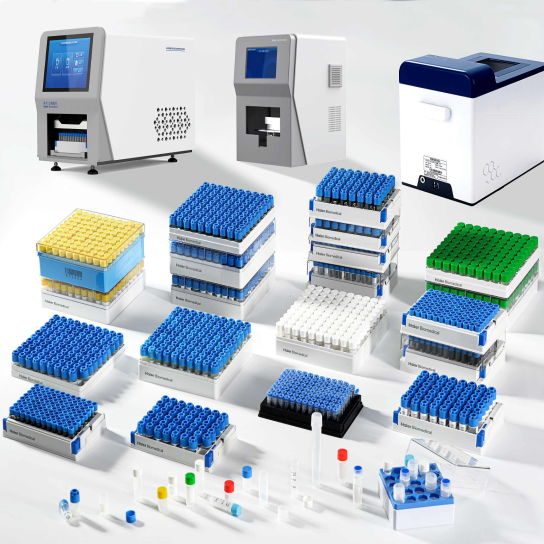
Evolution of Modern Cryopreservation Technology
The landscape of laboratory efficiency has been revolutionized by advances in cryotube design, fundamentally transforming how researchers and clinicians preserve biological materials. Modern cryopreservation techniques rely heavily on innovative cryotube design to ensure sample integrity and streamline laboratory workflows. The convergence of material science and biotechnology has ushered in a new era of sophisticated storage solutions that address longstanding challenges in sample management and preservation.
Recent developments in cryotube design have focused on enhancing durability, improving sample accessibility, and maximizing storage efficiency. These innovations reflect a deep understanding of laboratory needs and the critical importance of maintaining sample viability across extended periods. From academic research facilities to biobanks and pharmaceutical companies, the impact of these design improvements is reshaping standard operating procedures and setting new benchmarks for sample preservation.
Material Innovations Driving Performance
Advanced Polymer Technologies
The evolution of polymer science has revolutionized cryotube design, introducing materials that combine exceptional durability with optimal thermal properties. Modern cryotubes utilize specialized polypropylene compounds that maintain structural integrity at ultra-low temperatures while preventing sample adhesion to tube walls. These advanced polymers also demonstrate superior chemical resistance, protecting samples from contamination and ensuring long-term storage stability.
Enhanced manufacturing processes have enabled the production of tubes with precisely controlled wall thickness and surface characteristics. This precision in cryotube design contributes to consistent thermal conductivity and uniform freezing rates, critical factors in preserving sample viability. The latest polymer formulations also incorporate additives that reduce static charge buildup, making sample handling more efficient and reducing the risk of cross-contamination.
Surface Treatment Innovations
Surface modification technologies have emerged as a key focus area in cryotube design optimization. Advanced treatments create microscopic surface patterns that enhance sample recovery while minimizing protein binding and cell adhesion. These innovations particularly benefit researchers working with valuable biological samples, where maximum recovery rates are essential for experimental success.
Specialized coating technologies now enable the development of cryotubes with hydrophobic or hydrophilic properties tailored to specific sample types. This customization in surface chemistry represents a significant advancement in cryotube design, allowing laboratories to select storage solutions optimized for their particular applications.
Ergonomic Advances in User Interface
Cap Design Evolution
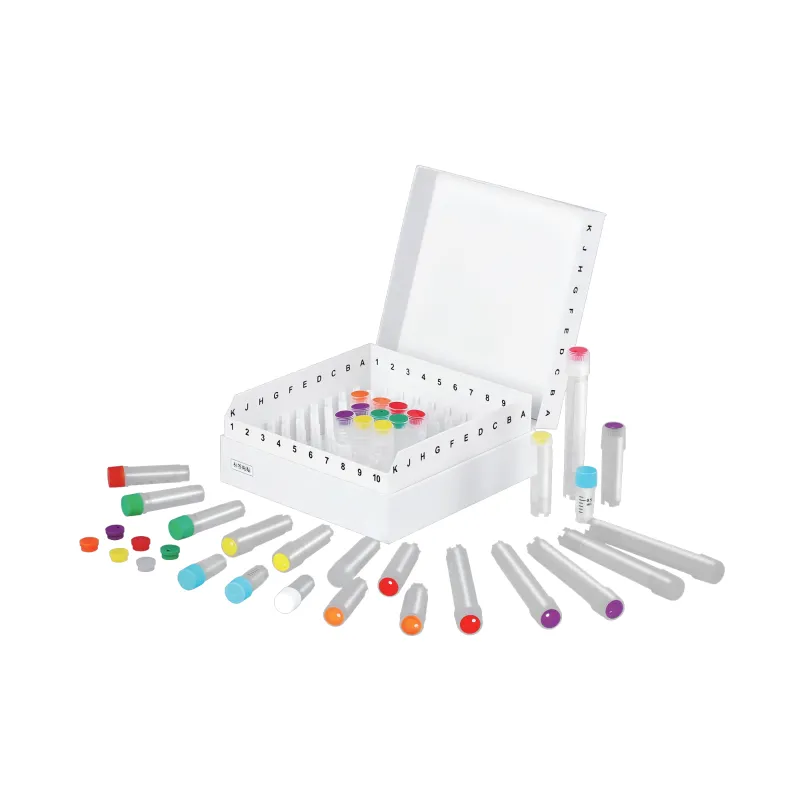
Modern cryotube design has placed considerable emphasis on cap mechanisms that enhance user experience while maintaining sample security. Quick-thread caps reduce handling time and minimize the risk of contamination during repeated access. Innovation in seal technology has produced caps that maintain their integrity through multiple freeze-thaw cycles, addressing a longstanding challenge in cryogenic storage.
The integration of color-coding options and enhanced gripping surfaces has improved sample organization and handling efficiency. These seemingly simple design elements significantly impact daily laboratory operations, reducing processing time and minimizing the potential for human error.
Automated Compatibility Features
Contemporary cryotube design increasingly incorporates features that facilitate automation and high-throughput processing. Standardized dimensions and specialized base configurations ensure compatibility with automated handling systems, while optimized tube geometries improve stability during robotic manipulation. These design considerations are particularly valuable in large-scale biobanking operations and pharmaceutical research facilities.
The implementation of machine-readable coding systems directly integrated into cryotube design has revolutionized sample tracking and inventory management. These features enable seamless integration with laboratory information management systems (LIMS), enhancing traceability and reducing administrative burden.
Storage Optimization Innovations
Space-Efficient Configurations
Recent advances in cryotube design have prioritized storage space optimization without compromising sample accessibility. Novel tube profiles and rack compatibility features maximize storage density while ensuring easy handling. These improvements have particular significance for facilities managing large sample collections, where storage space comes at a premium.
The development of standardized footprints and innovative stacking mechanisms has enabled more efficient use of valuable freezer space. Modern cryotube design considers not only individual tube characteristics but also system-wide storage efficiency, leading to solutions that optimize space utilization across entire storage facilities.
Temperature Distribution Engineering
Engineering advances in cryotube design have led to improvements in temperature uniformity during both freezing and storage phases. Refined wall thickness profiles and strategic material distribution ensure consistent heat transfer rates, critical for maintaining sample viability. These design elements contribute to more reliable preservation outcomes and reduced variability in sample quality.
Innovation in thermal management features has produced cryotubes that better protect samples during temporary removal from storage conditions. This advancement in cryotube design particularly benefits applications requiring frequent sample access or partial thawing.
Future Directions in Cryopreservation
Smart Storage Solutions
The future of cryotube design is increasingly focused on incorporating smart technologies that enhance sample monitoring and management. Integration of temperature-sensitive indicators and radio-frequency identification (RFID) technologies promises to revolutionize sample tracking and storage condition verification. These advances will enable real-time monitoring of sample status and storage conditions, further improving laboratory efficiency.
Emerging developments in materials science suggest possibilities for cryotubes with active temperature regulation capabilities, potentially transforming how sensitive biological samples are handled and preserved. These innovations represent the next frontier in cryotube design evolution.
Sustainability Considerations
Environmental consciousness is driving new directions in cryotube design, with increased focus on recyclable materials and reduced environmental impact. Manufacturers are exploring bio-based polymers and sustainable production methods while maintaining the rigorous performance requirements of cryogenic storage. This evolution reflects growing awareness of laboratory sustainability practices and their importance in modern research facilities.
Future developments may include biodegradable options for short-term storage applications and improved recycling programs for end-of-life cryotubes, addressing the environmental impact of laboratory consumables while maintaining high standards of sample preservation.
Frequently Asked Questions
How do recent advances in cryotube design impact sample viability?
Modern cryotube design innovations, including advanced polymers and optimized thermal properties, significantly improve sample preservation by ensuring consistent freezing rates and maintaining structural integrity during long-term storage. These improvements lead to better sample viability and recovery rates.
What role does automation compatibility play in current cryotube design?
Automation-friendly features in current cryotube design, such as standardized dimensions and integrated coding systems, enable seamless integration with automated handling systems and LIMS, significantly improving laboratory efficiency and reducing manual handling errors.
How are sustainability concerns shaping the future of cryotube design?
Environmental considerations are driving the development of more sustainable cryotube designs, including the exploration of bio-based materials and recyclable components, while maintaining the essential performance characteristics required for reliable sample preservation.