
 EN
EN



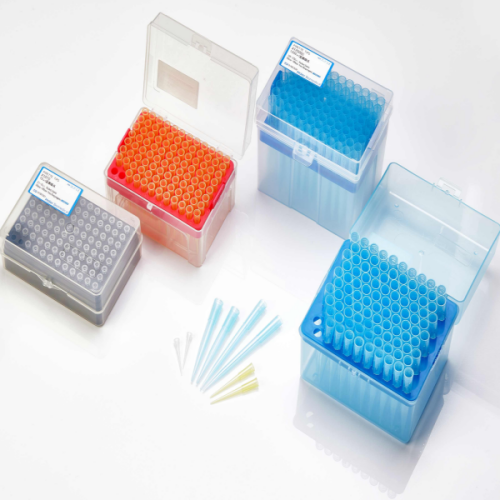
Understanding the Critical Role of Pipette Tips in Laboratory Precision
In the intricate world of molecular biology, the smallest details can have profound impacts on experimental outcomes. Among these crucial elements, pipette tips stand as fundamental tools that can make or break the accuracy of scientific research. While often overlooked, these seemingly simple plastic consumables play a vital role in ensuring precise measurements, preventing contamination, and maintaining the integrity of molecular biology experiments.
The significance of pipette tips extends far beyond their basic function as liquid handling tools. They serve as the primary interface between samples and measuring instruments, directly influencing the reliability and reproducibility of experimental results. Whether conducting PCR reactions, preparing DNA libraries, or performing protein assays, the quality and appropriate selection of pipette tips can dramatically affect the success of molecular biology procedures.
Essential Features of High-Quality Pipette Tips
Material Composition and Manufacturing Standards
The material composition of pipette tips plays a crucial role in their performance. Premium pipette tips are manufactured using virgin polypropylene, ensuring the highest purity levels and eliminating the risk of leaching chemicals that could interfere with sensitive molecular biology applications. The manufacturing process involves precise injection molding under clean room conditions, maintaining strict quality control standards to produce consistent, contamination-free products.
Advanced manufacturing techniques also focus on creating tips with uniform wall thickness and smooth internal surfaces. These characteristics ensure consistent liquid handling and complete sample dispensing, reducing the risk of sample retention inside the tip. The quality of raw materials and manufacturing processes directly impacts the tip's ability to deliver accurate and reproducible results.
Surface Properties and Sample Retention
The surface properties of pipette tips significantly influence their performance in molecular biology applications. High-quality tips feature low-retention surfaces that minimize liquid adherence, particularly crucial when working with valuable or viscous samples. These surfaces are achieved through specialized treatments or the inherent properties of premium-grade polypropylene, ensuring maximum sample recovery and reducing waste.
Modern pipette tips often incorporate hydrophobic properties that prevent sample retention and ensure consistent dispensing volumes. This feature becomes particularly important when working with expensive reagents or limited sample volumes, where every microliter counts. The surface characteristics also play a vital role in preventing cross-contamination between samples.
Impact on Experimental Accuracy
Volume Precision and Accuracy
The design and quality of pipette tips directly affect volume precision and accuracy in molecular biology experiments. Tips with precise molding and optimal fit ensure proper sealing with the pipette, preventing air leakage that could compromise measurement accuracy. The tip's orifice diameter and shape are carefully engineered to maintain consistent liquid flow and prevent droplet formation during dispensing.
Furthermore, the relationship between tip design and liquid handling characteristics influences the accuracy of volume delivery. Properly designed pipette tips maintain consistent performance across their volume range, ensuring reliable results whether working with microliter or milliliter volumes. This precision is essential for applications requiring exact measurements, such as qPCR or enzyme assays.
Prevention of Cross-Contamination
In molecular biology, preventing cross-contamination is paramount to maintaining experimental integrity. High-quality pipette tips incorporate features such as filters or barriers that prevent aerosols and liquid from reaching the pipette barrel. These protective elements are particularly crucial when working with potentially harmful substances or sensitive genetic materials.
The design of modern pipette tips also includes features that minimize the risk of sample carryover. Smooth internal surfaces and optimal tip geometry ensure complete sample dispensing, while specialized coatings prevent sample adhesion. These characteristics are essential for maintaining sample purity and preventing false results in sensitive applications.
Selecting the Right Pipette Tips for Specific Applications
Application-Specific Considerations
Different molecular biology applications demand specific characteristics from pipette tips. For instance, genomic applications requiring ultra-pure conditions benefit from certified DNase/RNase-free tips, while protein work may require low-binding surfaces to prevent sample loss. Understanding these requirements helps researchers select the most appropriate tips for their specific experimental needs.
When working with volatile or sensitive compounds, filtered tips provide an additional layer of protection against cross-contamination. Similarly, extended-length tips may be necessary for accessing tall containers or deep-well plates while maintaining sterility. The selection of appropriate tips based on application requirements significantly influences experimental success.
Compatibility and Standardization
The compatibility between pipette tips and instruments is crucial for maintaining accuracy. Using tips designed specifically for particular pipette models ensures proper fit and optimal performance. Universal fit tips may offer convenience but could compromise precision if not properly validated for use with specific instruments.
Standardization of pipette tips across laboratory procedures helps maintain consistency in results and simplifies inventory management. However, it's essential to verify that standardized tips meet the requirements for all intended applications. Regular validation of tip performance helps maintain quality standards and ensures reliable experimental outcomes.
Best Practices for Pipette Tip Usage
Proper Handling and Storage
Maintaining the integrity of pipette tips through proper handling and storage is essential for experimental success. Tips should be stored in clean, dust-free environments and handled with care to prevent contamination. Pre-sterilized tips should remain sealed until use, and proper aseptic technique should be employed during handling.
Regular inspection of stored tips for damage or contamination helps maintain quality standards. Proper storage conditions, including temperature and humidity control, prevent degradation of tip materials and maintain their performance characteristics. Following manufacturer recommendations for storage and handling ensures optimal tip performance throughout their shelf life.
Quality Control and Validation
Implementing quality control measures for pipette tips is crucial for maintaining experimental reliability. Regular verification of tip performance through gravimetric testing or other validation methods helps identify any issues before they affect experimental results. Documentation of tip lot numbers and performance validation supports good laboratory practices and experimental reproducibility.
Establishing standard operating procedures for tip selection and usage helps maintain consistency across different users and experiments. Regular training on proper pipetting technique and tip handling ensures that all laboratory personnel maintain high standards of accuracy and precision in their work.
Frequently Asked Questions
How do filtered pipette tips differ from standard tips?
Filtered pipette tips contain a hydrophobic filter barrier that prevents aerosols and liquids from contaminating the pipette barrel. This feature makes them ideal for applications involving volatile substances, infectious materials, or sensitive molecular biology procedures where cross-contamination must be prevented.
What causes variation in pipette tip quality among manufacturers?
Variations in pipette tip quality primarily stem from differences in manufacturing processes, material quality, and quality control standards. Factors such as the grade of polypropylene used, molding precision, and cleanliness of manufacturing facilities all contribute to the final product quality and performance.
How often should pipette tips be calibrated or validated?
While pipette tips themselves don't require calibration, their performance should be validated regularly as part of the overall pipetting system. This validation should occur during initial qualification of new tip lots, after changing tip manufacturers, and periodically during routine use, typically every 3-6 months or as specified by laboratory standard operating procedures.