
 EN
EN



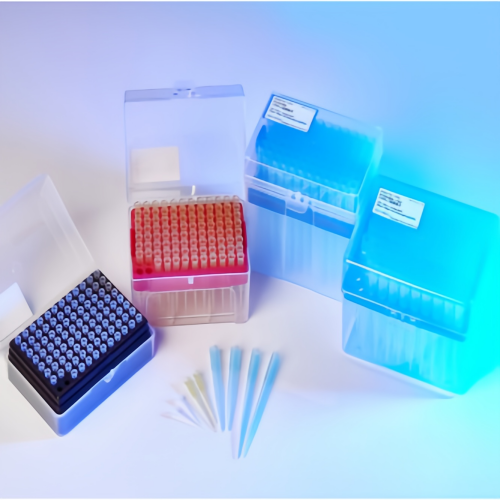
Essential Guidelines for Bulk Sterile Pipette Tip Procurement
Laboratory professionals understand that sterile pipette tips are fundamental tools for accurate and contamination-free liquid handling. When purchasing these essential supplies in bulk, making informed decisions becomes crucial for maintaining experimental integrity while managing laboratory budgets effectively. This comprehensive guide explores the critical factors to consider when sourcing sterile pipette tips in large quantities, ensuring you make choices that benefit both your research quality and operational efficiency.
Quality Assurance and Manufacturing Standards
Manufacturing Process Validation
The manufacturing process of sterile pipette tips requires rigorous quality control measures to ensure consistent performance. High-quality manufacturers employ automated production systems with minimal human intervention, reducing contamination risks. The molding process must maintain precise specifications for proper fit and reliable liquid handling. Look for suppliers who utilize medical-grade virgin polypropylene and can provide detailed documentation of their manufacturing protocols.
Sterilization Methods and Certification
Different sterilization methods can affect pipette tip performance and compatibility. The most common approaches include gamma irradiation, ethylene oxide treatment, and autoclave sterilization. Each method has specific advantages, but gamma irradiation often provides the most reliable results while maintaining tip integrity. Request sterilization validation certificates and lot-specific documentation to ensure compliance with industry standards.
Documentation should include sterility assurance level (SAL) certificates, typically at 10^-6, indicating only one in a million chances of non-sterility. This documentation becomes especially important for regulated laboratories and GMP facilities.
Physical Characteristics and Performance Features
Design and Material Specifications
The physical attributes of sterile pipette tips significantly impact their performance. Premium tips feature ultra-smooth surfaces that minimize liquid retention and ensure accurate dispensing. The tip opening should be precisely engineered to prevent dripping and maintain consistent flow rates. Consider tips with graduated markings for visual volume verification when applicable.
Compatibility and Fit
Universal fit claims should be carefully evaluated, as improper tip attachment can compromise results. Request samples before placing bulk orders to verify compatibility with your specific pipettors. Look for tips with optimal sealing rings that provide secure attachment without excessive force, reducing the risk of repetitive strain injuries among laboratory personnel.
Consider tips with low insertion and ejection forces, particularly for high-throughput applications. This feature becomes increasingly important when processing numerous samples, as it helps prevent user fatigue and maintains consistency throughout extended procedures.
Packaging and Storage Considerations
Rack and Box Design
Efficient packaging design affects both storage capacity and ease of use. Evaluate rack systems for stability and compatibility with automated systems if applicable. Premium racks should feature secure tip retention while allowing smooth tip pickup. Consider space-efficient designs that maximize storage capacity without compromising accessibility.
Environmental Impact and Waste Management
Sustainable packaging options are increasingly important in laboratory operations. Look for suppliers offering recyclable materials and reduced packaging waste. Some manufacturers now provide rack reload systems that significantly decrease plastic waste while maintaining sterility standards. Consider the environmental impact of your bulk purchase decisions while ensuring they meet regulatory requirements.
Cost Analysis and Bulk Purchase Strategy
Volume Pricing and Economic Considerations
While bulk purchasing typically offers cost advantages, carefully analyze the total cost of ownership. Consider factors beyond unit price, such as storage requirements, shelf life, and potential waste from expired products. Calculate your laboratory's monthly consumption rate to determine optimal order quantities that balance cost savings with practical constraints.
Supply Chain Management
Establish relationships with multiple suppliers to ensure consistent availability. Consider suppliers' track records for reliable delivery and their ability to maintain stock levels during supply chain disruptions. Evaluate minimum order quantities and lead times to develop an efficient inventory management system.
Technical Support and Customer Service
Product Support Resources
Access to technical expertise becomes crucial when implementing new sterile pipette tips across laboratory operations. Evaluate suppliers' technical support capabilities, including availability of product specialists and training resources. Look for providers offering comprehensive documentation, including validation guides and compatibility charts.
Quality Issue Resolution
Understand the supplier's procedures for handling quality concerns and product returns. Verify their capability to provide lot traceability and their responsiveness to technical inquiries. A robust quality management system should include clear protocols for investigating and resolving product-related issues.
Frequently Asked Questions
How long can sterile pipette tips be stored before use?
Sterile pipette tips typically maintain their sterility for 3-5 years when stored properly in their original, unopened packaging. However, it's essential to check the manufacturer's specific shelf-life recommendations and storage conditions. Keep tips in a clean, dry environment away from direct sunlight and extreme temperatures.
What certification documents should accompany bulk sterile pipette tip orders?
Essential documentation includes certificates of sterility, lot-specific quality control reports, RNase/DNase-free certification (if applicable), and sterilization validation certificates. For regulated environments, additional documentation may include FDA registration certificates and ISO compliance statements.
How can laboratories verify the sterility of received pipette tips?
While end-user sterility testing isn't typically necessary for certified sterile tips, laboratories can implement receiving protocols including visual inspection of packaging integrity, verification of sterilization indicators, and review of accompanying documentation. Some facilities may choose to perform random quality control tests based on their specific requirements.
Table of Contents
- Essential Guidelines for Bulk Sterile Pipette Tip Procurement
- Quality Assurance and Manufacturing Standards
- Physical Characteristics and Performance Features
- Packaging and Storage Considerations
- Cost Analysis and Bulk Purchase Strategy
- Technical Support and Customer Service
- Frequently Asked Questions