
 EN
EN



Laboratory sustainability has become a critical concern for research institutions and biotech companies worldwide. The scientific community generates substantial plastic waste through single-use consumables, with pipette tips representing one of the largest contributors to laboratory plastic waste streams. Traditional pipette tips, while essential for precision liquid handling, create environmental challenges that demand immediate attention from laboratory managers and researchers alike.
The transition toward sustainable laboratory practices requires careful consideration of alternative materials and manufacturing processes that maintain scientific integrity while reducing environmental impact. Modern laboratories consume millions of pipette tips annually, creating disposal challenges that extend far beyond individual facilities. Understanding the environmental implications of conventional pipette tip usage provides the foundation for implementing effective waste reduction strategies.
Research facilities across pharmaceutical, biotechnology, and academic sectors are increasingly recognizing their responsibility to adopt environmentally conscious practices. The selection of appropriate pipette tips represents a fundamental decision that balances operational requirements with sustainability objectives. This comprehensive evaluation encompasses material composition, manufacturing processes, disposal methods, and long-term environmental consequences.
Understanding Environmental Impact of Traditional Pipette Tips
Plastic Waste Generation in Laboratory Settings
Conventional pipette tips contribute significantly to laboratory plastic waste streams through their single-use design and petroleum-based manufacturing materials. Most traditional tips utilize polypropylene or polyethylene plastics that persist in landfills for decades without meaningful biodegradation. Large research institutions can generate thousands of pounds of pipette tip waste annually, creating substantial disposal costs and environmental burdens.
The cumulative impact of laboratory plastic waste extends beyond individual facilities to affect broader waste management systems. Municipal recycling programs rarely accept contaminated laboratory plastics, forcing most pipette tips into general waste streams destined for landfills or incineration. This disposal pathway eliminates opportunities for material recovery while contributing to greenhouse gas emissions and environmental pollution.
Manufacturing traditional pipette tips requires significant energy consumption and raw material extraction from finite petroleum resources. The production process generates additional waste streams and emissions that compound the environmental impact throughout the product lifecycle. Understanding these upstream effects enables laboratory managers to make more informed decisions about consumable selection and procurement strategies.
Carbon Footprint Considerations
The carbon footprint of traditional pipette tips encompasses manufacturing energy consumption, transportation emissions, and end-of-life disposal impacts. Petroleum-based plastic production requires substantial fossil fuel inputs for both raw materials and manufacturing energy, creating significant greenhouse gas emissions before products reach laboratory facilities. Transportation from manufacturing locations to end users adds additional carbon emissions that vary based on shipping distances and methods.
Disposal methods significantly influence the total carbon footprint of conventional pipette tips through different waste treatment processes. Landfill disposal creates methane emissions over extended periods while incineration generates immediate carbon dioxide releases. Neither disposal option provides meaningful carbon sequestration or material recovery opportunities, representing lost value and continued environmental impact.
Life cycle assessments reveal that traditional pipette tips generate substantially higher carbon emissions compared to sustainable alternatives throughout their operational lifespan. These assessments provide quantitative frameworks for evaluating environmental trade-offs and supporting evidence-based decision making in laboratory procurement processes.
Sustainable Materials and Manufacturing Processes
Biodegradable Plastic Alternatives
Biodegradable plastics offer promising alternatives to conventional petroleum-based pipette tips through materials derived from renewable resources and designed for natural decomposition. Polylactic acid (PLA) and polyhydroxyalkanoates (PHA) represent leading biodegradable options that maintain necessary performance characteristics while enabling environmentally responsible disposal. These materials decompose under industrial composting conditions within months rather than decades required for traditional plastics.
Plant-based feedstocks for biodegradable plastics include corn starch, sugarcane, and other agricultural materials that sequester carbon during growth phases. This renewable resource foundation creates positive environmental attributes that offset manufacturing emissions while supporting sustainable agricultural practices. The use of eco-friendly pipette tips manufactured from these materials demonstrates commitment to environmental stewardship without compromising scientific accuracy.
Manufacturing processes for biodegradable pipette tips require specialized equipment and quality control measures to ensure consistent performance standards. These production methods often consume less energy than traditional plastic manufacturing while generating fewer toxic byproducts and emissions. Investment in biodegradable manufacturing capacity supports industry transition toward sustainable practices while creating economic incentives for continued innovation.
Recycled Content Integration
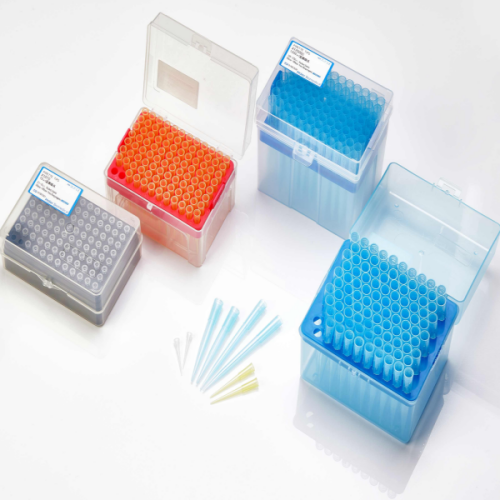
Incorporating recycled content into pipette tip manufacturing reduces demand for virgin plastic materials while diverting waste streams from disposal facilities. Post-consumer recycled plastics provide valuable feedstock for new product manufacturing when properly processed and quality controlled. Advanced sorting and cleaning technologies enable high-quality recycled content integration without compromising product performance or reliability.
Closed-loop recycling systems within laboratory settings create opportunities for facility-specific waste reduction through on-site collection and processing programs. These systems require coordination between laboratory users, facilities management, and waste processing partners to establish effective collection, cleaning, and remanufacturing workflows. Successful implementation demonstrates institutional commitment to circular economy principles while reducing overall environmental impact.
Quality standards for recycled content pipette tips must address potential contamination concerns and ensure consistent performance across different applications. Rigorous testing protocols verify that recycled materials meet the same precision and reliability standards as virgin plastic alternatives. These quality assurance measures build confidence in sustainable alternatives while supporting broader adoption across scientific communities.
Performance Standards and Quality Assurance
Precision and Accuracy Requirements
Sustainable pipette tips must meet the same stringent performance standards as conventional alternatives to ensure scientific validity and experimental reproducibility. Precision requirements demand consistent liquid delivery volumes within narrow tolerance ranges across repeated uses and different environmental conditions. These specifications require careful material selection and manufacturing quality control to achieve reliable performance characteristics.
Accuracy standards ensure that actual dispensed volumes match intended settings across the full operating range of compatible pipettes. Sustainable materials must demonstrate equivalent wetting properties, dimensional stability, and chemical compatibility to maintain measurement accuracy. Comprehensive testing protocols verify performance across different liquid types, temperature ranges, and storage conditions relevant to laboratory applications.
Quality control measures for eco-friendly pipette tips include statistical process control, dimensional verification, and performance validation testing. These systematic approaches ensure that sustainable alternatives meet or exceed conventional product specifications while maintaining consistency across production batches. Documented quality systems provide confidence in sustainable options while supporting regulatory compliance requirements.
Chemical Compatibility and Contamination Prevention
Chemical compatibility testing verifies that sustainable pipette tip materials resist degradation and contamination when exposed to common laboratory reagents and solvents. Biodegradable plastics and recycled materials must demonstrate appropriate chemical resistance to prevent sample contamination or equipment damage during normal use. Comprehensive compatibility matrices guide users in selecting appropriate tips for specific applications and chemical environments.
Contamination prevention measures ensure that sustainable pipette tips maintain sample integrity through appropriate material selection and manufacturing processes. Low-binding surface treatments and careful material formulation minimize adsorption of proteins, nucleic acids, and other sensitive molecules. These performance characteristics support accurate analytical results while maintaining the environmental benefits of sustainable alternatives.
Validation protocols for chemical compatibility include accelerated aging tests, extractable studies, and biological compatibility assessments. These comprehensive evaluations provide data to support regulatory submissions and user confidence in sustainable alternatives. Rigorous testing demonstrates that environmental responsibility does not require compromising scientific quality or experimental reliability.
Implementation Strategies for Laboratories
Procurement and Supplier Selection
Successful implementation of eco-friendly pipette tips requires strategic procurement approaches that balance sustainability objectives with operational requirements and budget constraints. Supplier evaluation criteria should include environmental certifications, manufacturing practices, product performance data, and long-term availability commitments. Establishing relationships with suppliers committed to sustainable innovation ensures continued access to improved products and technical support.
Procurement specifications should clearly define sustainability requirements while maintaining necessary performance standards for scientific applications. These specifications guide supplier responses and enable objective evaluation of alternative products. Pilot testing programs allow laboratories to validate sustainable options under actual operating conditions before making large-scale procurement commitments.
Cost analysis for sustainable pipette tips should consider total cost of ownership including purchase price, disposal costs, and environmental compliance expenses. While sustainable alternatives may carry higher unit costs, reduced disposal fees and potential regulatory benefits can offset initial price premiums. Long-term cost projections support business case development for sustainable procurement initiatives.
Staff Training and Change Management
Effective implementation of eco-friendly pipette tips requires comprehensive staff training programs that address product differences, handling procedures, and disposal requirements. Training materials should emphasize the environmental benefits while demonstrating equivalent performance characteristics. Hands-on training sessions allow staff to become familiar with sustainable alternatives before full-scale implementation.
Change management strategies address potential resistance to new products through clear communication of environmental benefits and institutional sustainability commitments. Staff engagement programs encourage feedback and suggestions for improving implementation processes. Recognition programs acknowledge individual and team contributions to sustainability initiatives while building organizational culture around environmental responsibility.
Performance monitoring systems track key metrics including user satisfaction, product performance, and environmental impact reduction. Regular assessments identify opportunities for improvement while documenting success stories for broader organizational communication. These monitoring systems provide objective data to support continued investment in sustainable alternatives.
Cost-Benefit Analysis and Return on Investment
Financial Considerations
Comprehensive cost analysis for eco-friendly pipette tips must account for multiple financial factors beyond initial purchase prices to accurately assess total economic impact. Sustainable alternatives often command premium pricing compared to conventional options, but this analysis must include disposal cost savings, potential regulatory compliance benefits, and long-term supply chain risk mitigation. Many institutions find that reduced waste disposal fees partially offset higher product costs while delivering measurable environmental benefits.
Waste disposal costs continue rising as landfill capacity decreases and environmental regulations become more stringent. Laboratories using biodegradable or recyclable pipette tips can reduce disposal volumes and associated fees while potentially accessing specialized composting or recycling programs. These operational savings accumulate over time and contribute to positive return on investment calculations for sustainable procurement initiatives.
Budget planning for sustainable laboratory consumables should consider potential fluctuations in pricing as market adoption increases and manufacturing scales expand. Early adopters may face higher costs, but market maturation typically leads to price reductions as production volumes increase. Long-term procurement contracts can provide price stability while supporting supplier investment in sustainable manufacturing capacity.
Environmental Return on Investment
Environmental return on investment calculations quantify the ecological benefits of adopting eco-friendly pipette tips through metrics such as carbon footprint reduction, waste diversion rates, and resource conservation. These measurements provide objective data to support sustainability reporting and demonstrate institutional environmental commitments. Standardized environmental accounting methods enable comparison between different sustainability initiatives and investment priorities.
Life cycle assessment methodologies provide comprehensive frameworks for evaluating environmental benefits throughout product lifecycles from raw material extraction through end-of-life disposal. These assessments identify the most significant environmental improvement opportunities while supporting evidence-based decision making. Published environmental impact data enables laboratories to quantify their contribution to broader sustainability objectives.
Carbon offset calculations demonstrate how sustainable pipette tip selection contributes to institutional greenhouse gas reduction targets and climate change mitigation efforts. These quantitative benefits support sustainability reporting requirements while providing data for carbon accounting and offset program participation. Environmental return calculations strengthen the business case for sustainable procurement while demonstrating measurable progress toward sustainability goals.
Regulatory Compliance and Certification Standards
Environmental Certifications
Third-party environmental certifications provide independent verification of sustainability claims for eco-friendly pipette tips while ensuring compliance with established standards and criteria. Certifications such as ASTM D6400 for compostable plastics and ISO 14855 for biodegradability testing offer standardized frameworks for evaluating environmental performance. These certifications provide confidence in product claims while supporting procurement decisions based on verified environmental attributes.
Cradle to Cradle certification evaluates products across multiple sustainability dimensions including material health, renewable energy use, water stewardship, and social fairness. This comprehensive assessment provides holistic sustainability evaluation beyond simple biodegradability or recycled content claims. Products achieving Cradle to Cradle certification demonstrate commitment to circular economy principles and comprehensive environmental responsibility.
Carbon neutral certifications verify that product carbon footprints have been measured and offset through verified carbon reduction projects. These certifications address climate change concerns while providing quantitative environmental benefits. Laboratory procurement programs can prioritize carbon neutral products to support institutional greenhouse gas reduction commitments and climate action plans.
Regulatory Compliance Requirements
Regulatory compliance for sustainable pipette tips encompasses both environmental regulations governing waste disposal and laboratory standards ensuring product performance and safety. Environmental regulations vary by jurisdiction but increasingly include requirements for waste reduction, recycling targets, and extended producer responsibility programs. Compliance with these regulations requires careful attention to product specifications and disposal procedures.
Laboratory accreditation standards such as ISO 17025 require documented quality systems and validated measurement procedures that extend to consumable selection and use. Sustainable pipette tips must demonstrate equivalent performance to conventional alternatives through appropriate testing and validation procedures. Documentation requirements ensure that environmental considerations do not compromise scientific quality or regulatory compliance.
FDA regulations for medical device laboratories may impose additional requirements for pipette tips used in diagnostic or therapeutic applications. These regulations require comprehensive validation of product performance and safety while maintaining traceability and quality control documentation. Sustainable alternatives must meet the same regulatory standards as conventional products to ensure continued compliance and operational authorization.
FAQ
Do eco-friendly pipette tips maintain the same accuracy as conventional options
Yes, properly manufactured eco-friendly pipette tips maintain equivalent accuracy and precision standards compared to conventional petroleum-based alternatives. Sustainable materials such as PLA and recycled plastics can achieve the same dimensional tolerances and surface properties required for accurate liquid dispensing. Comprehensive testing protocols verify that biodegradable and recycled content tips meet identical performance specifications while providing environmental benefits. Quality control measures ensure consistent performance across production batches, giving laboratories confidence in measurement accuracy regardless of material composition.
What disposal options are available for biodegradable pipette tips
Biodegradable pipette tips offer multiple disposal pathways depending on local infrastructure and contamination levels. Industrial composting facilities can process uncontaminated biodegradable tips under controlled conditions that ensure complete decomposition within established timeframes. Some laboratory waste management companies offer specialized collection and composting services for biodegradable laboratory consumables. Contaminated biodegradable tips may require standard laboratory waste disposal procedures, but they still offer environmental benefits through reduced persistence in landfill environments compared to conventional plastics.
How do the costs of sustainable pipette tips compare to traditional options
Sustainable pipette tips typically carry higher unit costs than conventional alternatives, with premiums ranging from 10-30% depending on material type and supplier. However, total cost analysis should include disposal savings, potential regulatory compliance benefits, and long-term supply chain considerations. Many laboratories find that reduced waste disposal fees and improved environmental compliance partially offset higher product costs. Market maturation and increased adoption are driving down premium costs as manufacturing scales expand and competition increases among sustainable product suppliers.
Can recycled content pipette tips be used for sensitive analytical applications
High-quality recycled content pipette tips can be suitable for many analytical applications when manufactured under appropriate quality control measures and contamination prevention protocols. Advanced recycling processes including chemical recycling can produce materials with performance characteristics equivalent to virgin plastics. However, sensitive applications such as trace analysis or molecular biology may require careful validation of recycled content products to ensure they meet specific purity and performance requirements. Manufacturers typically provide detailed specifications and test data to support application-specific suitability assessments for recycled content products.
Table of Contents
- Understanding Environmental Impact of Traditional Pipette Tips
- Sustainable Materials and Manufacturing Processes
- Performance Standards and Quality Assurance
- Implementation Strategies for Laboratories
- Cost-Benefit Analysis and Return on Investment
- Regulatory Compliance and Certification Standards
-
FAQ
- Do eco-friendly pipette tips maintain the same accuracy as conventional options
- What disposal options are available for biodegradable pipette tips
- How do the costs of sustainable pipette tips compare to traditional options
- Can recycled content pipette tips be used for sensitive analytical applications