
 EN
EN



Laboratory contamination remains one of the most critical challenges facing researchers and technicians across pharmaceutical, biotechnology, and clinical diagnostic industries. When precision and accuracy are paramount, even microscopic contaminants can compromise entire experiments, invalidate research findings, and lead to costly setbacks. Among the various contamination prevention strategies available today, filtered pipette tips have emerged as an essential barrier technology that significantly reduces cross-contamination risks while maintaining the integrity of sensitive samples and reagents.
The molecular-level protection offered by advanced filtration technology has revolutionized laboratory protocols, enabling researchers to work with greater confidence and achieve more reliable results. Modern laboratories processing everything from DNA amplification reactions to cell culture applications depend heavily on contamination-free environments where sample purity is non-negotiable. Understanding how filtered barriers function and their specific advantages over conventional alternatives becomes crucial for laboratory managers seeking to optimize both safety protocols and experimental outcomes.
This comprehensive examination explores the multifaceted impact that filtered pipette tips have on contamination prevention, analyzing their mechanical design principles, application-specific benefits, and long-term effects on laboratory efficiency and data quality. By investigating real-world implementation scenarios and comparing performance metrics against traditional pipetting methods, we can better appreciate why these specialized tools have become indispensable components of modern laboratory infrastructure.
Understanding Filtration Mechanisms and Contamination Pathways
Aerosol Formation and Droplet Prevention
During standard pipetting operations, aerosol formation represents one of the most insidious contamination threats that laboratories face daily. When liquid samples are aspirated or dispensed, microscopic droplets can become airborne and subsequently settle on surfaces, instruments, or adjacent samples. These aerosols often carry DNA, RNA, proteins, or other biological materials that can interfere with downstream applications and produce false-positive results in sensitive assays.
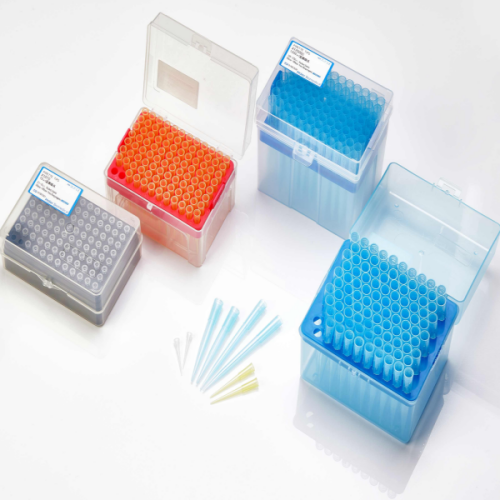
Filtered pipette tips incorporate specialized barrier materials that effectively trap these aerosols before they can enter the pipette shaft or contaminate the internal mechanisms. The filtration media typically consists of hydrophobic materials that repel aqueous solutions while allowing air passage, creating a one-way barrier system. This design prevents liquid carryover between different samples while maintaining proper air displacement for accurate volume measurements.
Advanced filtration systems demonstrate remarkable efficiency in capturing particles as small as 0.1 micrometers, which encompasses most bacterial cells, viral particles, and molecular contaminants encountered in laboratory settings. The physical barrier created by these filters eliminates the risk of sample-to-sample cross-contamination that can occur through pipette shaft contamination, particularly important when working with infectious agents or precious samples where any contamination could compromise entire research projects.
Molecular Barrier Technology and Sample Integrity
The molecular-level protection provided by modern filtered pipette tips extends beyond simple particle filtration to include chemical and biological barrier functions. Specialized filter materials are engineered to resist degradation from common laboratory solvents, acids, bases, and enzymatic solutions while maintaining their structural integrity throughout extended use periods. This chemical resistance ensures consistent performance across diverse experimental conditions.
Protein adsorption represents another significant contamination pathway that filtered tips help address through surface chemistry optimization. Low-retention filter materials minimize protein binding, reducing sample loss and preventing carryover of biological molecules between different experimental steps. This characteristic proves particularly valuable when working with expensive reagents or limited sample quantities where maximum recovery is essential.
DNA and RNA applications benefit significantly from the nuclease-free environments created by high-quality filtered tips. The manufacturing processes for these specialized consumables include rigorous sterilization and quality control measures that eliminate endogenous nucleases, proteases, and other enzymes that could degrade genetic material. Combined with effective physical filtration, this approach creates an ideal environment for molecular biology applications requiring absolute sample purity.
Application-Specific Benefits Across Laboratory Disciplines
Molecular Biology and Genomics Applications
In molecular biology laboratories, where PCR amplification and genetic sequencing are routine procedures, contamination prevention takes on critical importance due to the exponential amplification potential of even trace contaminants. Filtered pipette tips provide essential protection against template carryover, which represents one of the most common sources of false-positive results in PCR-based assays and genetic analysis workflows.
Quantitative PCR applications demonstrate particular sensitivity to contamination events, where even single DNA molecules can generate detectable signals that skew quantification results. The barrier protection offered by filtered tips ensures that amplified products from previous reactions cannot contaminate subsequent samples, maintaining the analytical integrity required for accurate gene expression analysis, viral load monitoring, and genetic variant detection.
Next-generation sequencing preparations require exceptional sample purity to prevent index hopping and cross-contamination between multiplexed libraries. Filtered tips eliminate the risk of adapter carryover and maintain sample identity throughout complex library preparation workflows, ensuring that sequencing results accurately reflect the intended samples rather than contamination artifacts that could lead to misinterpretation of genetic data.
Cell Culture and Microbiological Research
Cell culture applications present unique contamination challenges where bacterial, fungal, or mycoplasma contamination can destroy weeks or months of experimental work. Filtered pipette tips provide sterile sample handling capabilities that complement aseptic technique training, creating multiple layers of contamination protection during cell passage, media preparation, and experimental treatments.
Microbiological research involving pathogenic organisms requires absolute contamination control to protect both experimental integrity and laboratory personnel safety. The barrier function of filtered tips prevents accidental exposure to infectious agents while maintaining proper sample handling protocols required for pathogen identification, antimicrobial susceptibility testing, and epidemiological studies.
Primary cell isolation procedures benefit from the sterile environment created by filtered tips, particularly when working with precious clinical samples where contamination could render irreplaceable specimens unusable. The combination of sterile packaging and effective filtration ensures that isolated cells maintain their phenotypic characteristics without interference from environmental contaminants or cross-contamination from other cell lines.
Economic Impact and Laboratory Efficiency Considerations
Cost-Benefit Analysis of Contamination Prevention
While filtered pipette tips represent a higher initial investment compared to standard alternatives, comprehensive cost-benefit analysis reveals significant long-term savings through reduced experimental failures, decreased reagent waste, and improved data reliability. Contamination events often require complete experimental repetition, consuming additional materials, personnel time, and delaying project timelines that can impact research productivity and commercial development schedules.
The hidden costs of contamination extend beyond immediate material losses to include quality control investigations, documentation requirements, and potential regulatory compliance issues in validated laboratory environments. Pharmaceutical and diagnostic laboratories operating under Good Laboratory Practices or Clinical Laboratory Improvement Amendments face significant penalties for contamination-related deviations, making prevention strategies economically attractive compared to remediation efforts.
Research institutions conducting federally funded projects must consider the impact of contamination on grant deliverables and publication timelines. The reliability provided by filtered tip technology helps ensure consistent experimental results that support reproducible research outcomes, ultimately contributing to successful grant renewals and continued funding opportunities.
Workflow Optimization and Productivity Enhancement
Implementation of filtered pipette tips often leads to streamlined laboratory workflows by reducing the frequency of decontamination procedures and minimizing the need for extensive surface cleaning between different experimental procedures. This efficiency gain allows laboratory personnel to focus on value-added activities rather than spending time on contamination mitigation efforts.
Automated liquid handling systems benefit significantly from filtered tip integration, as the risk of cross-contamination between samples is dramatically reduced without requiring complex washing protocols or tip-changing sequences. This capability enables higher-throughput applications while maintaining sample integrity across large-scale screening projects or clinical diagnostic workflows.
Quality assurance programs require fewer validation studies and ongoing monitoring when filtered tips are implemented consistently, as the baseline contamination risk is substantially lower than conventional pipetting methods. This reduction in quality control overhead allows laboratories to allocate resources more effectively toward productive research activities rather than defensive contamination monitoring.
Selection Criteria and Implementation Best Practices
Technical Specifications and Performance Characteristics
Selecting appropriate filtered pipette tips requires careful consideration of multiple technical factors including filtration efficiency ratings, chemical compatibility, volume accuracy specifications, and manufacturing quality standards. Different applications may require varying levels of filtration performance, with molecular biology applications typically demanding higher efficiency ratings than general liquid handling tasks.
Filtration efficiency measurements should encompass both particle size exclusion capabilities and aerosol retention characteristics under realistic operating conditions. Laboratory managers should evaluate performance data from independent testing laboratories rather than relying solely on manufacturer specifications, particularly for critical applications where contamination could have significant consequences.
Volume accuracy and precision characteristics must be maintained despite the presence of filtration barriers, requiring careful engineering balance between contamination prevention and measurement performance. High-quality filtered tips demonstrate accuracy specifications comparable to standard tips while providing superior contamination protection, ensuring that analytical precision is not compromised by safety enhancements.
Training and Protocol Development
Successful implementation of filtered pipette tips requires comprehensive training programs that address both technical aspects of proper usage and broader contamination prevention principles. Laboratory personnel must understand how filtration mechanisms function and recognize situations where filtered tips provide maximum benefit compared to standard alternatives.
Standard operating procedures should be developed that specify when filtered tips are required, appropriate handling techniques, and disposal protocols that maintain contamination control throughout the entire workflow. These procedures must be regularly updated to reflect new applications, equipment changes, and evolving contamination prevention best practices.
Cross-training initiatives help ensure that all laboratory personnel understand the importance of contamination prevention and can implement appropriate measures consistently across different experimental protocols. This comprehensive approach creates a culture of contamination awareness that extends beyond individual procedures to encompass laboratory-wide safety and quality practices.
FAQ
How do filtered pipette tips differ from standard tips in terms of contamination prevention?
Filtered pipette tips incorporate specialized barrier materials that trap aerosols and prevent liquid carryover between samples, while standard tips rely solely on proper technique and external decontamination measures. The physical filtration barrier provides continuous protection against cross-contamination throughout pipetting operations, significantly reducing the risk of sample-to-sample contamination that can occur through pipette shaft exposure to aerosols or splashing.
What types of laboratory applications benefit most from filtered tip technology?
Molecular biology applications involving PCR amplification, genetic sequencing, and nucleic acid analysis derive the greatest benefit from filtered tips due to their sensitivity to trace contamination. Cell culture work, microbiological research, and clinical diagnostic procedures also benefit significantly, as do any applications involving precious samples, infectious agents, or protocols where contamination could invalidate expensive experimental work or compromise safety.
Are filtered pipette tips compatible with automated liquid handling systems?
Yes, most high-quality filtered pipette tips are designed for compatibility with automated liquid handling systems and robotic workstations. However, specific compatibility should be verified with equipment manufacturers, as filtration barriers may affect tip sealing characteristics or require adjustments to aspiration and dispensing parameters. Many automated systems actually benefit from filtered tips by reducing cross-contamination without requiring complex washing protocols.
How should laboratories evaluate the cost-effectiveness of implementing filtered pipette tips?
Cost-effectiveness evaluation should consider both direct costs of the tips and indirect savings from reduced experimental failures, decreased reagent waste, and improved data reliability. Laboratories should calculate the total cost of contamination events including materials, personnel time, and project delays, then compare this against the incremental cost of filtered tips. Most laboratories find that the contamination prevention benefits justify the additional expense, particularly for sensitive applications where contamination risks are high.
Table of Contents
- Understanding Filtration Mechanisms and Contamination Pathways
- Application-Specific Benefits Across Laboratory Disciplines
- Economic Impact and Laboratory Efficiency Considerations
- Selection Criteria and Implementation Best Practices
-
FAQ
- How do filtered pipette tips differ from standard tips in terms of contamination prevention?
- What types of laboratory applications benefit most from filtered tip technology?
- Are filtered pipette tips compatible with automated liquid handling systems?
- How should laboratories evaluate the cost-effectiveness of implementing filtered pipette tips?