Cell Culture Treated Plates

Get a Free Quote

Our representative will contact you soon.
Email
Name
Company Name
Message
0/1000

cell culture treated plates

Cell culture treated plates represent a specialized laboratory solution designed to support optimal cell adhesion and growth for research and biotechnology applications. These plates feature a specially modified surface coating that promotes cell attachment, making them essential tools for scientists working with adherent cell lines. The technology behind cell culture treated plates involves a precise surface treatment process that creates an environment conducive to cellular proliferation and differentiation. The main functions of cell culture treated plates include facilitating cell attachment, maintaining cell viability, and enabling consistent experimental results across multiple applications. The technological features of cell culture treated plates encompass ultra-low evaporation designs, sterile pre-treatment, and materials that resist protein absorption while enhancing cell adhesion. These plates are manufactured using advanced chemistry to ensure uniform surface properties across every well. Applications for cell culture treated plates span diverse fields including pharmaceutical research, immunology, stem cell research, and disease modeling. Researchers utilize cell culture treated plates for drug screening, toxicity testing, and cell biology studies. The versatility of cell culture treated plates makes them indispensable in modern laboratories worldwide. Whether conducting basic research or developing therapeutics, scientists depend on the reliability and performance characteristics of cell culture treated plates to achieve reproducible, high-quality results that advance scientific discovery and innovation.

New Products

Cell culture treated plates deliver substantial practical benefits that directly enhance laboratory productivity and research outcomes. The primary advantage lies in superior cell adhesion—the specialized surface treatment ensures cells attach reliably without requiring additional coating procedures, saving researchers valuable preparation time and resources. This feature streamlines workflow efficiency while reducing variability between experiments. Operationally, cell culture treated plates minimize background noise in assays by reducing unwanted protein interactions with plate surfaces. Researchers experience consistent baseline measurements, enabling more accurate data interpretation and reliable comparative analysis. The plates come pre-sterilized and ready to use, eliminating time-consuming preparation steps that would otherwise delay project timelines. For application suitability, cell culture treated plates accommodate diverse cell types including mammalian, insect, and plant cells, making them universally applicable across research domains. The uniform surface treatment prevents edge effects and well-to-well variation, critical factors when conducting high-throughput screening or statistical analysis requiring standardized conditions. From a decision-useful perspective, investing in cell culture treated plates reduces experimental failures and repetitions caused by poor cell attachment. This translates to lower consumable costs, reduced animal use in research, and accelerated project completion. Laboratories report improved reproducibility when adopting cell culture treated plates, strengthening publication quality and grant success rates. The plates' compatibility with automated liquid handling systems further enhances operational efficiency, enabling larger-scale studies without proportional increases in labor requirements or procedural complexity.

Tips And Tricks

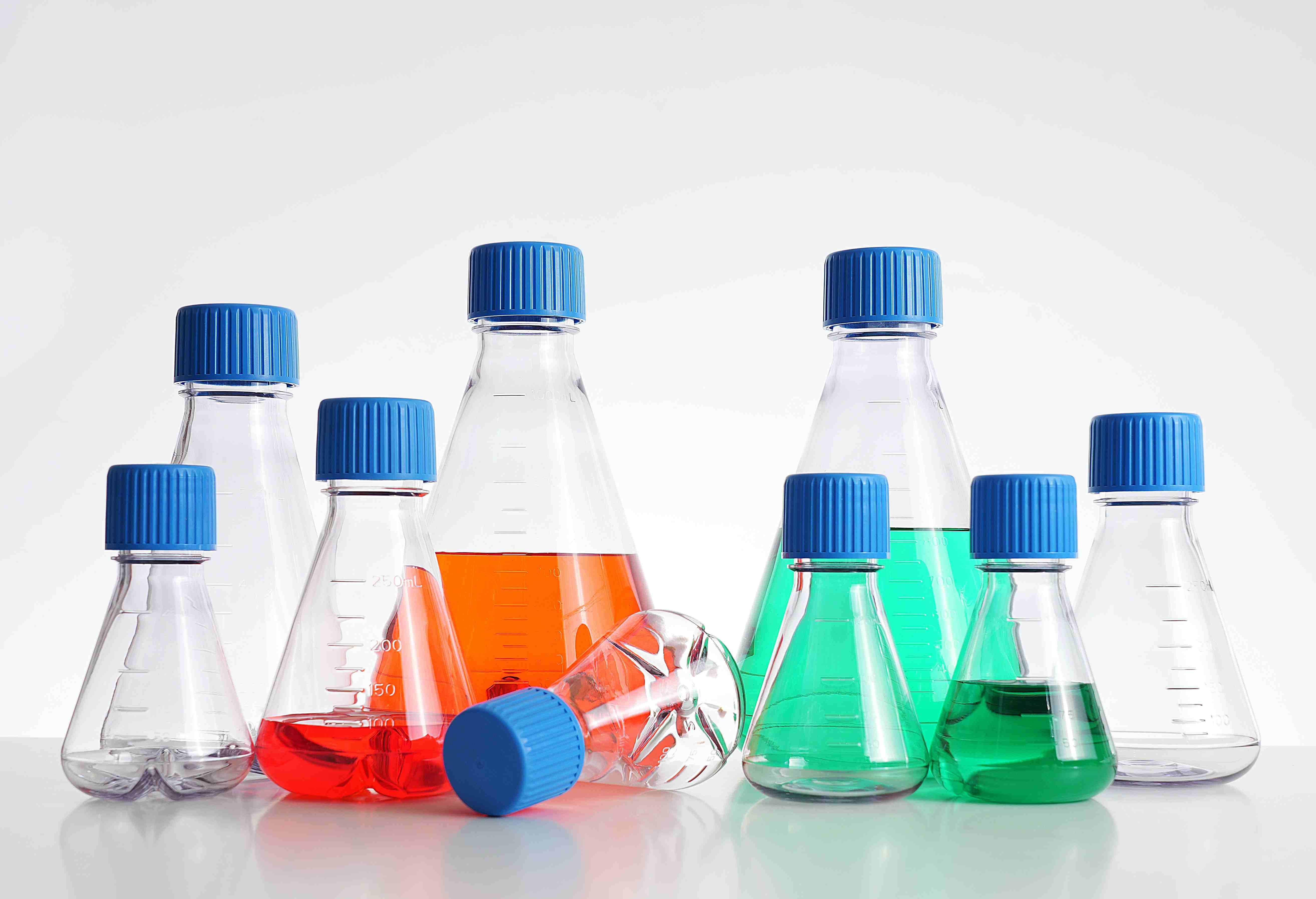
Why Erlenmeyer Flasks Are Widely Used In Cell Suspension Cultures

15

May

Why Erlenmeyer Flasks Are Widely Used In Cell Suspension Cultures

In modern cell biology and biopharmaceutical research, the choice of culture vessel profoundly impacts cell viability, growth consistency, and experimental reproducibility. Among the many options available in laboratory settings, the Erlenmeyer flask...
View More
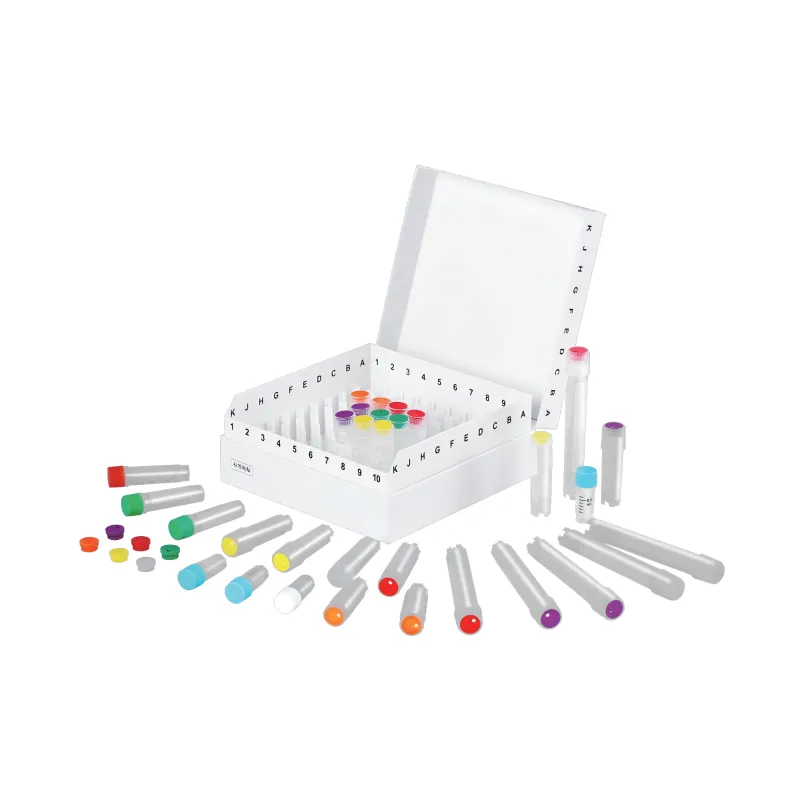
Why Freezer Racks Improve Laboratory Storage Efficiency

10

Jul

Why Freezer Racks Improve Laboratory Storage Efficiency

In modern laboratory environments, efficient sample management is not just a convenience — it is a scientific necessity. Freezer racks play a central role in organizing biological samples, reagents, and critical materials stored inside ultra-low temp...
View More
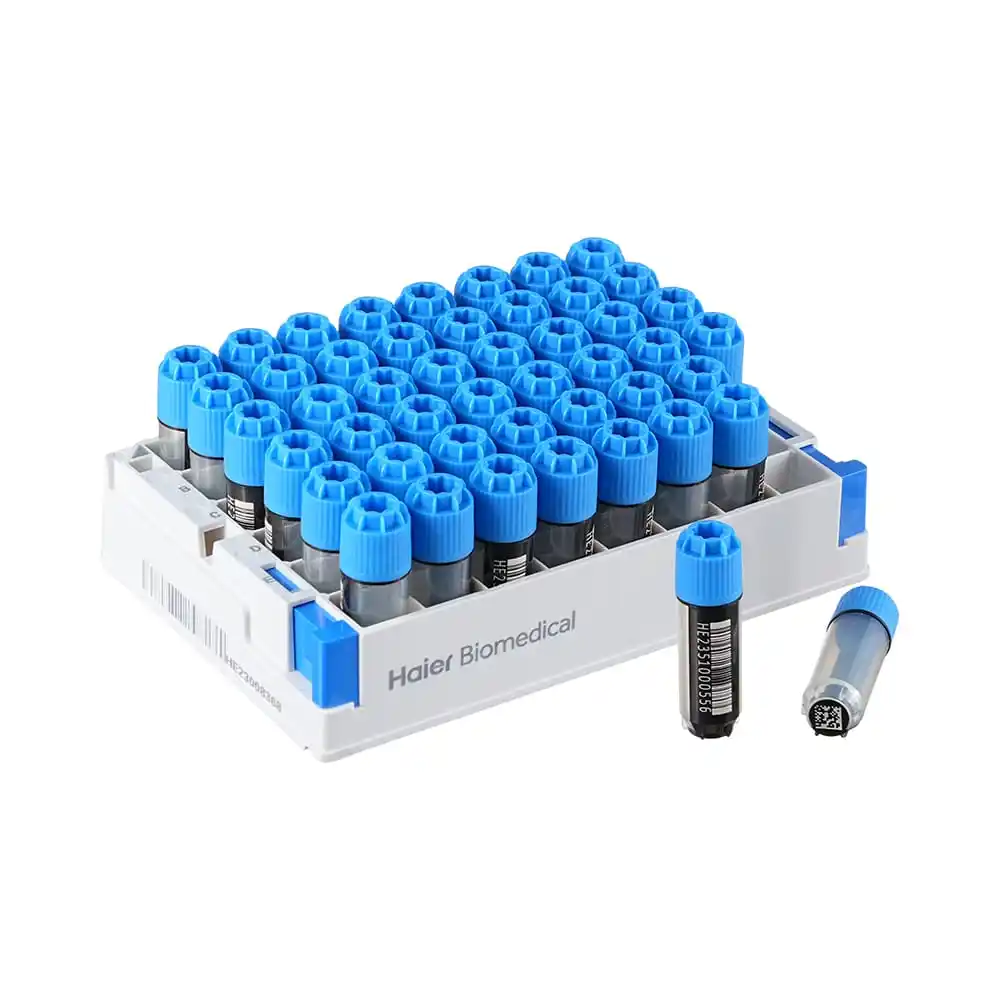
How To Choose Freezer Racks For Cryovials And Microtubes

16

Jul

How To Choose Freezer Racks For Cryovials And Microtubes

Selecting the right freezer racks for cryovials and microtubes is one of the most practical decisions a laboratory team makes when setting up or expanding cold storage. Freezer racks determine how efficiently samples are organized, how easily they ar...
View More
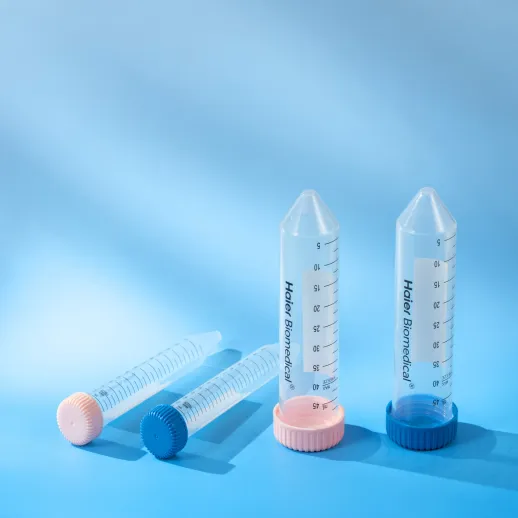
Best Practices For Preventing Leakage In Sample Tubes

16

Jul

Best Practices For Preventing Leakage In Sample Tubes

Leakage in sample tubes is one of the most persistent challenges in laboratory and biobanking environments. When sample tubes fail to maintain a proper seal, the consequences extend beyond simple inconvenience — contamination, specimen loss, and comp...
View More

Get a Free Quote

Our representative will contact you soon.
Email
Name
Company Name
Message
0/1000

cell culture treated plates

Superior Cell Adhesion Technology

Superior Cell Adhesion Technology

Cell culture treated plates feature advanced surface chemistry that dramatically improves cell attachment compared to standard untreated alternatives. The specialized coating creates optimal conditions for cellular adhesion, eliminating the need for additional pre-treatment steps or animal-derived proteins. This superior adhesion technology ensures cells maintain stable contact with the plate surface throughout experimental protocols, preventing cell loss during medium changes or washing procedures. Researchers benefit from enhanced cell survival rates and more consistent cellular behavior patterns. The reliable adhesion provided by cell culture treated plates translates into higher data quality and reproducibility, reducing the need for repeated experiments. This technological advancement proves particularly valuable when working with sensitive or fastidious cell lines that typically demonstrate poor attachment on untreated surfaces. By choosing cell culture treated plates, scientists can confidently proceed with experiments knowing their cultures will remain properly anchored and viable throughout the entire research timeline.
Pre-Sterilized Ready-to-Use Format

Pre-Sterilized Ready-to-Use Format

Cell culture treated plates arrive fully sterilized and immediately ready for experimental use, eliminating time-consuming sterilization procedures that laboratory personnel would otherwise perform. This ready-to-use convenience significantly accelerates experimental timelines, allowing researchers to progress from planning directly to cell seeding without intermediate steps. The pre-sterilization process employs validated methods ensuring complete elimination of contaminants while preserving the integrity of the treated surface. Laboratories can eliminate sterilization equipment investments and associated maintenance requirements when utilizing pre-sterilized cell culture treated plates. Staff efficiency improves dramatically when workers avoid spending hours autoclaving or filtering materials. The standardized sterilization applied during manufacturing guarantees consistent microbial contamination prevention across all plates. This reliability proves especially critical in regulated environments where sterilization validation documentation is mandatory. By selecting cell culture treated plates with integrated sterilization, facilities reduce operational complexity while maintaining the highest contamination control standards essential for successful cell culture work.
Enhanced Reproducibility and Data Quality

Enhanced Reproducibility and Data Quality

Cell culture treated plates deliver exceptional consistency from well to well and batch to batch, enabling researchers to generate highly reproducible data essential for publication and regulatory approval. The uniform surface treatment prevents edge effects and environmental gradients that commonly plague standard culture vessels, ensuring every well provides identical conditions for cell growth. This reproducibility advantage proves invaluable when conducting statistical analyses requiring standardized experimental conditions and reliable baseline measurements. Pharmaceutical researchers rely on cell culture treated plates to meet rigorous validation requirements for drug development studies. The elimination of well-to-well variation means larger effect sizes for treatments being evaluated, improving statistical power and enabling detection of subtle biological responses. Successful publications increasingly demand reproducible protocols, and cell culture treated plates facilitate this requirement by providing inherently standardized culture conditions. Regulatory agencies reviewing research documentation recognize the superior data quality generated using validated cell culture treated plates, strengthening approval prospects for submissions. Scientists gain confidence that experimental variations reflect genuine biological differences rather than artifacts from inconsistent culture conditions, advancing scientific integrity and discovery reliability.

Get a Free Quote

Our representative will contact you soon.
Email
Name
Company Name
Message
0/1000