
 EN
EN



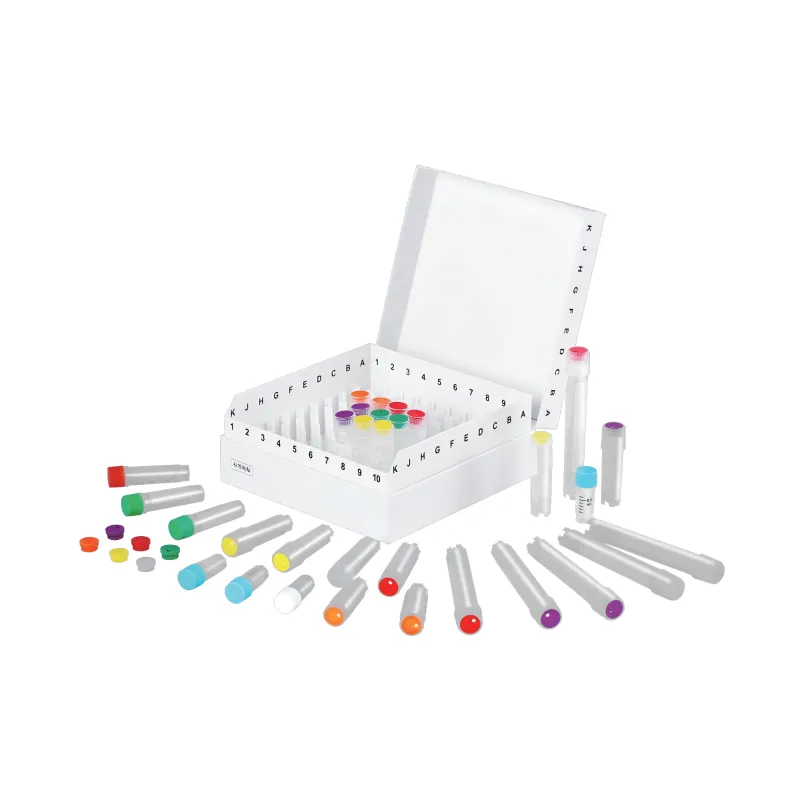
Selecting the right freezer racks for cryovials and microtubes is one of the most practical decisions a laboratory team makes when setting up or expanding cold storage. Freezer racks determine how efficiently samples are organized, how easily they are retrieved, and how well tube integrity is maintained across repeated freeze-thaw cycles. Choosing freezer racks that do not match your tube format or storage unit dimensions can lead to wasted space, damaged samples, and costly retrieval errors. Understanding the core selection criteria helps labs avoid these problems from the start.
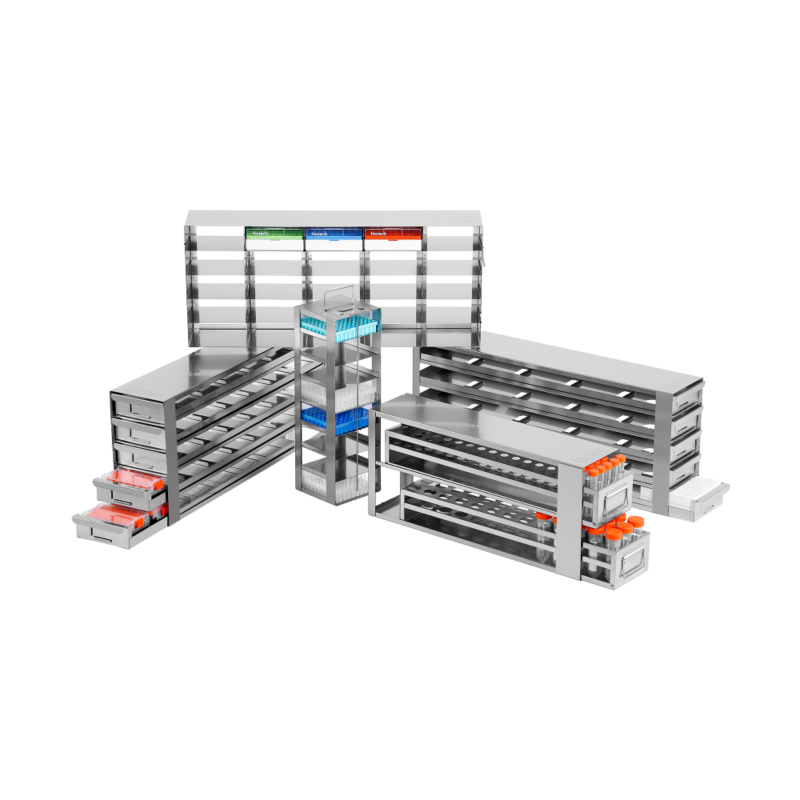
Freezer racks come in a wide range of materials, configurations, and capacity formats. Whether you are storing 0.5 mL microtubes, 1.5 mL microtubes, or 1.8 mL to 5.0 mL cryovials, the right freezer racks must match the tube dimensions precisely. Freezer racks that are too loose allow tubes to shift and tip, while freezer racks that grip too tightly can stress the tube body during thermal contraction. This guide walks through the key factors that determine which freezer racks are best suited for your specific application and storage environment.
Material and Construction of Freezer Racks
Stainless Steel Versus Polypropylene Freezer Racks
Freezer racks are typically constructed from either stainless steel or polypropylene, and each material offers distinct advantages depending on the storage temperature range. Stainless steel freezer racks are highly durable, corrosion-resistant, and capable of withstanding ultra-low temperature environments down to -196°C when used in liquid nitrogen systems. Polypropylene freezer racks are lightweight, autoclavable, and well-suited for mechanical freezers operating between -20°C and -86°C. When choosing freezer racks for long-term cryogenic archives, stainless steel freezer racks generally offer superior structural stability under extreme cold stress.
Frame Rigidity and Slot Precision in Freezer Racks
The mechanical rigidity of freezer racks directly affects how securely tubes are held during storage and transport. High-quality freezer racks use precision-formed slots or cell dividers that keep each tube upright and isolated. Poorly designed freezer racks may warp over time when exposed to repeated thermal cycling, causing slots to misalign and tubes to lean or fall. When evaluating freezer racks, check whether the slot dimensions are tested against the specific tube formats you use. Freezer racks with reinforced side rails and cross-braced frames maintain positional accuracy even after hundreds of freeze-thaw cycles, which is essential in high-throughput sample management workflows.
Capacity, Format, and Compatibility of Freezer Racks
Tube Format Matching for Freezer Racks
One of the most critical steps when choosing freezer racks is confirming format compatibility between the rack and the tubes being stored. Freezer racks designed for 1.8 mL cryovials will not securely hold 0.5 mL microtubes, and using mismatched freezer racks creates retrieval inefficiency and sample risk. Many labs stock multiple tube sizes across different projects, which means selecting freezer racks that accommodate different tube diameters through adjustable or modular slot configurations. Labeling freezer racks clearly by tube format and project reduces retrieval errors and prevents cross-contamination when working in shared cold storage environments.
Grid Capacity and Storage Density in Freezer Racks
Freezer racks are available in various grid configurations such as 9x9, 10x10, and 8x8, with total tube capacities ranging from 64 to over 100 positions per rack. Choosing freezer racks with higher grid density maximizes the number of samples stored per freezer shelf, which is valuable when storage space is limited. However, freezer racks with very tight grid spacing can make individual tube access more difficult, especially when wearing cryogenic gloves. Balancing storage density against access ease is a key consideration when selecting freezer racks for daily operational use versus long-term archival storage. Freezer racks with slightly wider spacing improve workflow efficiency in environments where tubes are retrieved frequently.
Compatibility with Freezer Units and Drawer Systems
Matching Freezer Racks to Freezer Interior Dimensions
Freezer racks must fit properly within the specific freezer unit where they will be used. Ultra-low temperature freezers, liquid nitrogen dewars, and standard upright mechanical freezers all have different interior shelf dimensions and door clearance profiles. Before purchasing freezer racks, always measure the usable shelf depth, width, and height within the freezer unit. Freezer racks that extend beyond the shelf edge are unstable and may prevent the freezer door from closing properly. Suppliers of quality freezer racks provide dimensional specifications that match common freezer models, making it easier to select the right configuration for your unit without trial and error.
Drawer and Rail Integration for Freezer Racks
Many modern ultra-low temperature freezers use drawer systems or sliding rail configurations that require freezer racks to slot into a secondary housing or drawer box. In these systems, freezer racks must conform to the drawer box dimensions, not just the freezer shelf. Modular freezer racks designed for drawer-based storage typically have standardized footprints that align with common drawer box sizes. Choosing freezer racks that are compatible with your existing drawer infrastructure avoids the cost of replacing entire storage systems. If your lab is expanding, selecting freezer racks from a consistent system also ensures scalability as sample volumes grow over time.
FAQ
What is the best material for freezer racks used in ultra-low temperature storage?
Stainless steel freezer racks are generally the best choice for ultra-low temperature storage at -80°C or below, including liquid nitrogen environments. Stainless steel freezer racks resist corrosion, maintain structural integrity under extreme cold, and have a long service life in demanding cryogenic conditions. Polypropylene freezer racks are suitable for standard mechanical freezers but may become brittle at very low temperatures with prolonged use.
Can freezer racks for cryovials also hold microtubes?
Standard freezer racks designed for 1.8 mL or 2.0 mL cryovials typically cannot securely hold smaller microtubes such as 0.5 mL or 1.5 mL formats without an adapter insert. Some freezer racks are designed with adjustable or multi-format slots that can accommodate different tube diameters, but this should be confirmed with the supplier before purchase. Using incorrectly sized freezer racks for microtubes increases the risk of tube tipping and sample loss.
How many freezer racks should a lab purchase when setting up a new cold storage system?
The number of freezer racks needed depends on current sample volume, anticipated growth, and the number of freezer units in use. A practical approach is to calculate the total tube positions required based on current inventory, then add a 20 to 30 percent buffer to accommodate new samples. Purchasing freezer racks in standardized configurations also simplifies reordering when additional capacity is needed in the future.