
 EN
EN



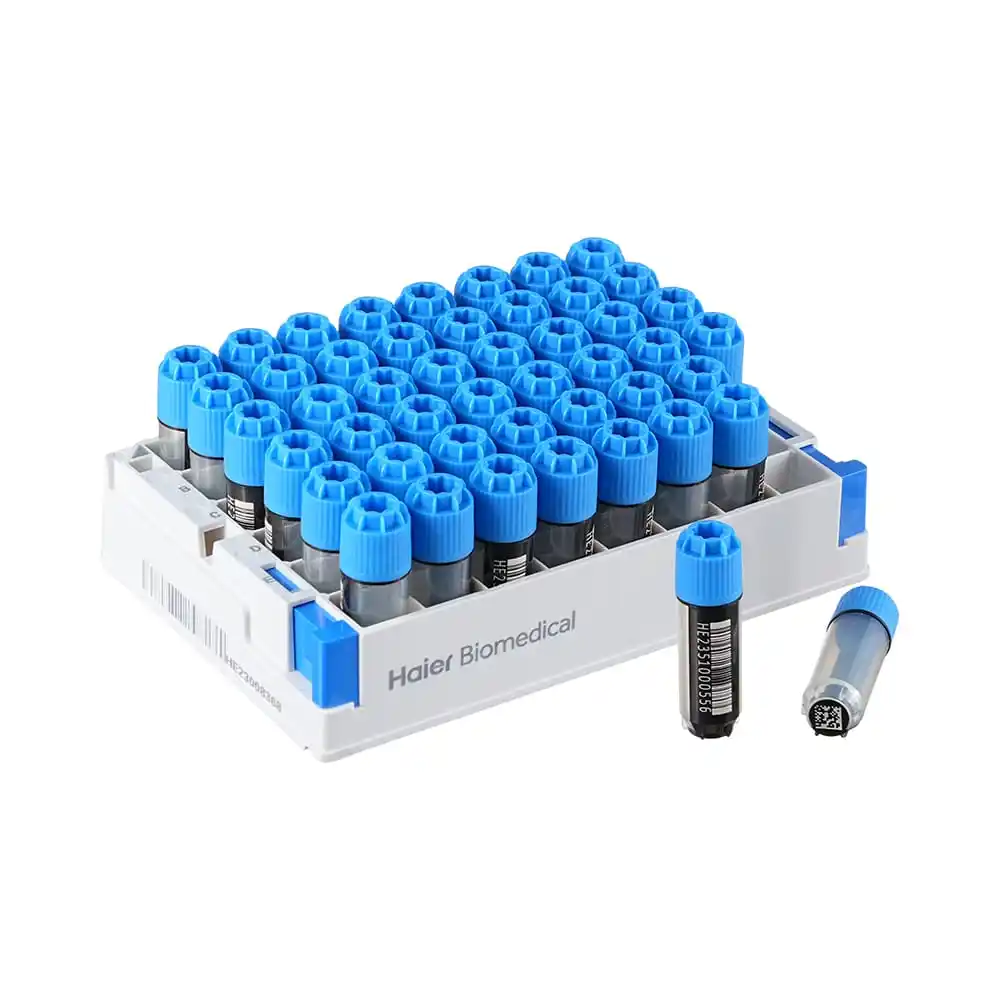
In modern biobanking, the ability to store, locate, and retrieve biological specimens quickly and accurately is not a luxury — it is a scientific necessity. freezer racks are one of the most critical yet often overlooked components of a well-organized biobank. They provide the structural foundation that makes systematic sample management possible, allowing laboratories to handle thousands of specimens without sacrificing order, access speed, or specimen safety.
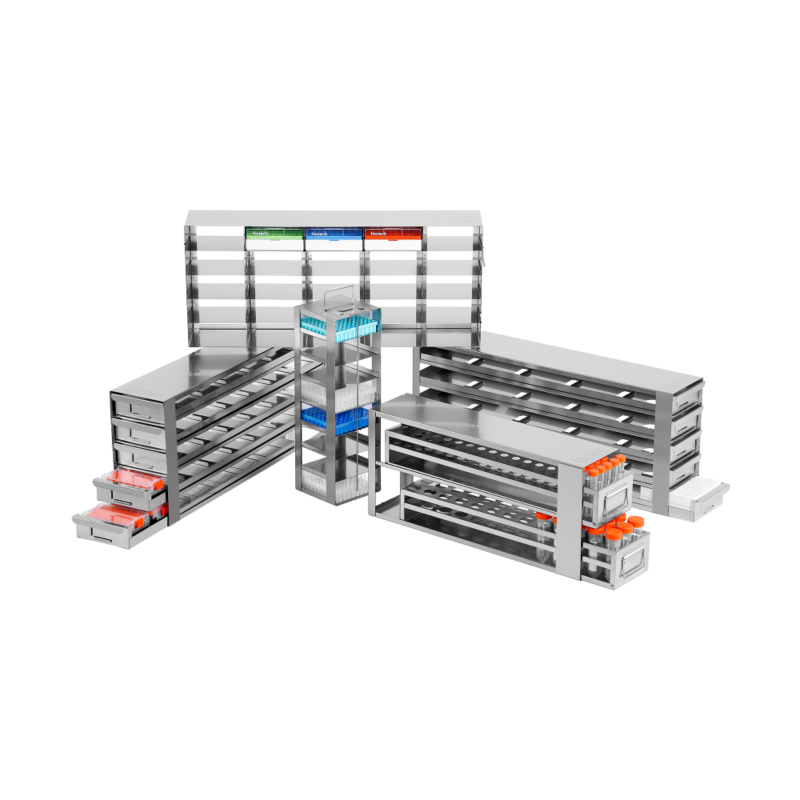
Biobanks operate under strict conditions that demand both precision and reliability. Ultra-low temperature freezers, liquid nitrogen tanks, and cryogenic storage units must be organized in ways that reduce human error, minimize temperature excursions, and maintain sample traceability over years or even decades. Freezer racks are the physical architecture that makes all of this possible, transforming a densely packed freezer interior into a navigable, reproducible storage system.
The Structural Role of Freezer Racks in Biobank Environments
How Freezer Racks Define Internal Freezer Organization
Freezer racks serve as the primary organizational layer inside ultra-low temperature and cryogenic storage units. Without freezer racks, boxes and sample containers would be stacked haphazardly, making it nearly impossible to locate specific specimens under time-sensitive conditions. Properly engineered freezer racks divide the interior of a freezer into defined, repeatable zones, each capable of holding a fixed number of sample boxes or cryovials in a predictable position.
This spatial consistency is essential in biobanking, where sample coordinates — such as rack number, shelf level, and box position — are recorded in laboratory information management systems. Freezer racks give those coordinates a physical reality. When a researcher queries the system for a specific sample, freezer racks ensure that the sample is exactly where the system says it should be. This alignment between digital records and physical location is fundamental to biobank integrity.
Material and Design Considerations for Freezer Racks
Freezer racks used in biobanks must withstand repeated thermal cycling across extreme temperature ranges, often from ambient laboratory temperatures down to minus eighty degrees Celsius or lower. Materials such as stainless steel and high-grade aluminum are commonly used for freezer racks because they resist corrosion, maintain structural rigidity under cold stress, and do not introduce contaminants into the storage environment. Lightweight yet durable freezer racks also reduce the physical strain on laboratory staff during routine access and inventory cycles.
The design of freezer racks also reflects the specific storage format of the biobank. Some freezer racks are engineered for standard two-inch cryoboxes, while others accommodate larger format boxes or specialized containers. Modular freezer racks allow biobanks to reconfigure storage capacity as collection volumes grow, providing long-term scalability without requiring replacement of the entire storage infrastructure.
Freezer Racks and Sample Traceability in Biobanking
Supporting Chain-of-Custody and Audit Requirements
Biobanks that support clinical research, pharmaceutical development, or public health programs operate under stringent regulatory frameworks. Maintaining a clear chain of custody for every specimen is non-negotiable. Freezer racks contribute directly to this requirement by providing a fixed, labeled reference point for every sample position within a freezer. When freezer racks are consistently numbered and positioned, the traceability pathway from sample entry to retrieval becomes clear and documentable.
Auditors and quality assurance teams rely on physical storage layouts that match documented records. Freezer racks that are clearly labeled and logically arranged reduce discrepancies during audits, making it easier to verify that samples have been stored under the correct conditions throughout their lifecycle. This level of organizational discipline is difficult to achieve without properly designed freezer racks as the physical backbone of the system.
Reducing Retrieval Time and Minimizing Temperature Exposure
Every second that a freezer door remains open during sample retrieval represents a temperature excursion risk. Freezer racks dramatically reduce retrieval time by giving staff a known, consistent location for every sample box. Rather than searching through disorganized layers of containers, a technician can go directly to the correct freezer rack, the correct shelf, and the correct box position. This speed protects not only the target sample but also every other specimen stored in the same unit.
Freezer racks also facilitate the use of dividers and pull-out mechanisms that allow individual boxes to be accessed without disturbing neighboring samples. This targeted access pattern is especially valuable in large biobanks where a single freezer may hold tens of thousands of samples. Freezer racks make that scale of storage manageable without compromising access efficiency or cold chain integrity.
Scaling Biobank Capacity with the Right Freezer Racks
Matching Freezer Racks to Storage Density Requirements
As biobanks grow, the demand for storage density increases. Freezer racks must be selected and configured to maximize the number of samples a freezer can hold while still allowing safe and efficient access. High-density freezer racks are designed to use vertical and horizontal space efficiently, increasing sample capacity without requiring additional freezer units. This matters significantly in environments where freezer footprint is limited or where operational costs must be controlled.
Selecting freezer racks that match the actual dimensions of the freezer interior is equally important. Poorly fitted freezer racks waste usable space and can create instability if boxes shift during retrieval. Biobank managers should evaluate freezer racks based on internal freezer dimensions, box formats in use, sample throughput volumes, and projected growth over the next several years to ensure the selected freezer racks remain practical throughout the collection lifecycle.
Standardization of Freezer Racks Across Multiple Units
Large biobanks often operate multiple freezers simultaneously. Standardizing on a single system of freezer racks across all units simplifies staff training, reduces errors during sample transfers, and ensures that storage coordinates remain consistent regardless of which specific freezer a sample resides in. Standardized freezer racks also simplify inventory reconciliation, as the physical layout of each freezer mirrors every other unit in the collection.
When freezer racks follow a common design standard, replacement and expansion become straightforward. New freezer units can be equipped with identical freezer racks, and staff can work across all units without needing to learn different storage configurations. This operational consistency is a key advantage of investing in a well-planned freezer racks strategy from the beginning of a biobank's growth trajectory.
FAQ
What types of freezer racks are most suitable for ultra-low temperature biobanks?
Stainless steel and aluminum freezer racks are the most widely used types in ultra-low temperature environments because they tolerate extreme cold without warping or corroding. The best freezer racks for a given biobank will depend on the freezer model, box format, and sample volume. Modular freezer racks offer added flexibility for growing collections.
How do freezer racks contribute to sample safety in a biobank?
Freezer racks reduce the time a freezer door remains open during access, which limits temperature fluctuations that can degrade sample quality. By keeping sample boxes in fixed, labeled positions, freezer racks also prevent accidental mixing or misplacement, which protects both specimen integrity and research data accuracy over time.
Can freezer racks be customized to fit different freezer models?
Yes. Many manufacturers offer freezer racks in a range of sizes and configurations designed to fit specific freezer models and internal dimensions. Custom or semi-custom freezer racks are available for biobanks with non-standard freezer units or unique sample format requirements, ensuring maximum space utilization and compatibility across the entire storage system.