
 EN
EN



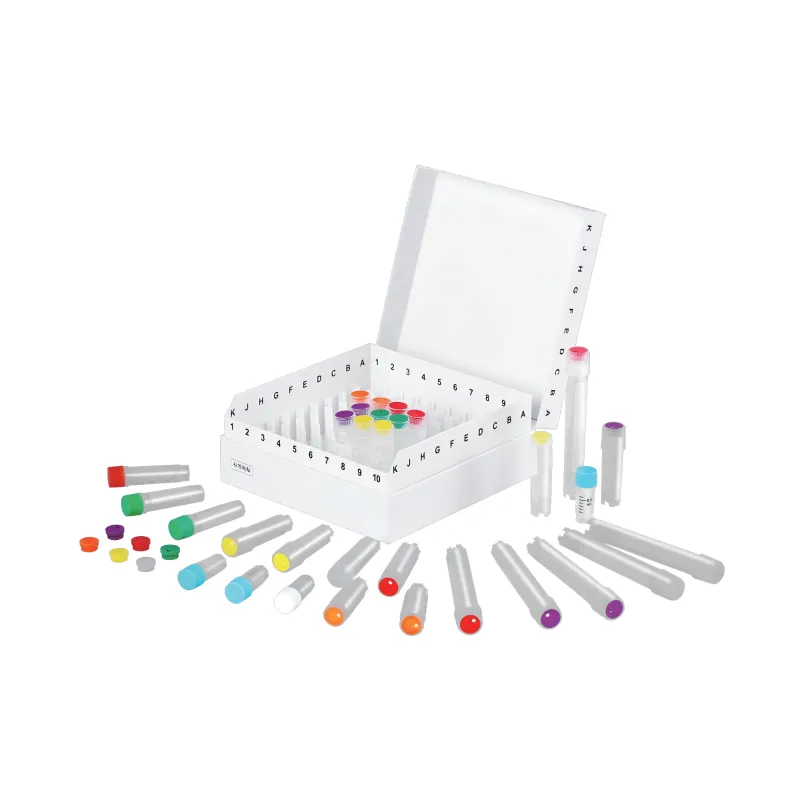
In laboratory and biobank environments, freezer racks are the backbone of organized sample storage. Whether you manage a small research freezer or an entire ULT storage system, the way you label and organize your freezer racks directly affects retrieval speed, sample integrity, and overall workflow efficiency. Poor labeling practices lead to misplaced specimens, wasted time, and potentially irreversible sample loss. Getting a reliable system in place for your freezer racks is not optional — it is essential for any operation that depends on biological material accuracy.
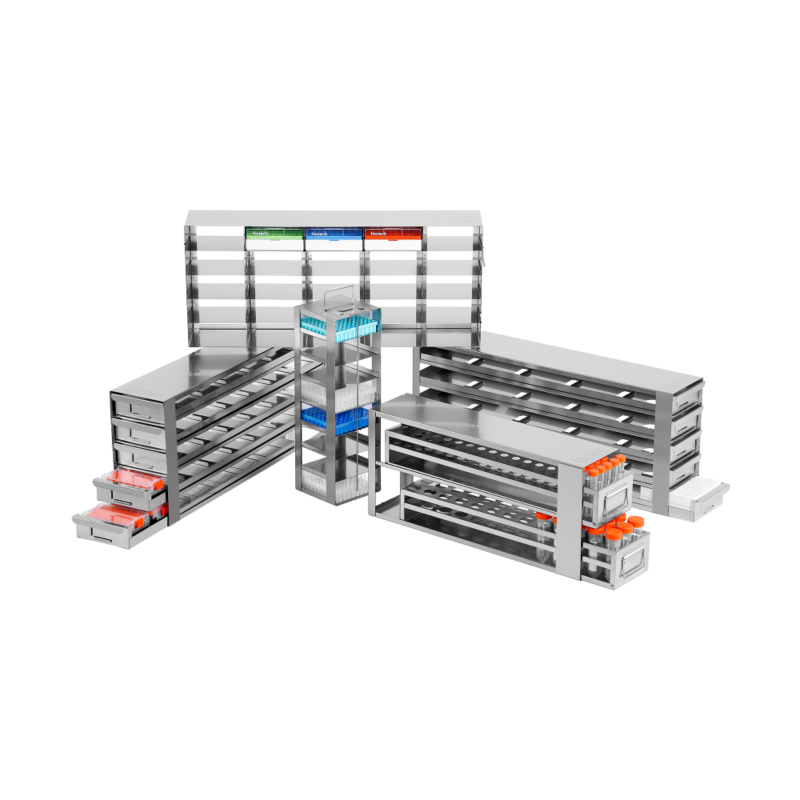
Effectively managed freezer racks reduce the risk of sample mix-ups, minimize unnecessary door-open time that disrupts temperature stability, and help teams comply with audit and traceability requirements. This guide provides actionable tips that laboratories, biobanks, and life science facilities can apply immediately to improve how their freezer racks are labeled, tracked, and maintained over time.
Establishing a Clear Labeling System for Freezer Racks
Choosing Label Materials That Survive Cryogenic Conditions
One of the most critical decisions when managing freezer racks is selecting labels that can withstand extremely low temperatures. Standard paper or adhesive labels will crack, peel, or become illegible at temperatures reaching -80°C or below. For freezer racks used in ULT or cryogenic environments, labels made from cryogenic-grade polyester or polypropylene materials are strongly recommended. These maintain adhesion and print clarity even after repeated freeze-thaw cycles. Without the right label material, your entire identification system becomes unreliable, no matter how well-organized your freezer racks appear at room temperature.
Printed text on freezer racks labels should use thermal transfer printing or laser printing rather than inkjet, as inkjet prints tend to smear or fade in cold and humid conditions. Barcode labels add another layer of reliability, allowing scanners to read information quickly without manual interpretation. When applied consistently to all freezer racks in your facility, cryogenic-rated labels dramatically reduce identification errors during high-pressure retrieval situations.
Structuring a Logical Identification Code for Each Rack
A label is only as useful as the information it carries. For freezer racks, a well-designed identification code should include the freezer unit number, rack position, sample category, and date of storage. For example, a code such as 'F2-R4-PLASMA-2024Q3' immediately tells a technician which freezer, which rack, what sample type, and when storage began. This structured format makes freezer racks immediately interpretable without needing to consult a database first. The goal is to make each set of freezer racks self-explanatory under time-sensitive conditions.
Color coding is a powerful supplement to alphanumeric labeling on freezer racks. Assigning specific colors to sample categories, projects, or storage dates allows staff to locate the correct freezer racks at a glance, even through the frost and condensation that builds up during brief freezer access. Combining color coding with barcodes on your freezer racks creates a two-layer identification system that balances speed and accuracy.
Organizing and Positioning Freezer Racks for Maximum Efficiency
Mapping Freezer Rack Positions to a Physical Layout Chart
No matter how well labeled, freezer racks without a corresponding physical map create confusion. Every freezer unit should have a printed or digital layout chart posted nearby that shows exactly where each set of freezer racks is positioned and what it contains. This map should mirror the actual physical arrangement of the freezer racks inside the unit. When staff members need to retrieve samples, they should be able to consult the map, identify the correct freezer racks by position number, and retrieve the item in under thirty seconds. Prolonged searching with the freezer door open compromises temperature stability and risks damaging sensitive samples.
Digital inventory systems linked to freezer racks positions offer even greater control. Software that tracks sample locations down to the individual box or tube level, mapped against your freezer racks grid, allows remote lookup before a technician even approaches the freezer. This integration of physical labeling and digital records turns your freezer racks into a precisely searchable storage system that scales well as sample volumes grow.
Maintaining Consistent Load Distribution Across Freezer Racks
Efficient management of freezer racks also involves how weight and airflow are distributed inside the freezer unit. Overloading specific freezer racks while leaving others nearly empty creates uneven cold air circulation, which can result in temperature gradients that affect sample quality. Distribute sample weight evenly across all active freezer racks and avoid placing excessively heavy boxes on rack positions that may flex under load. Regularly audit which freezer racks are nearing capacity and plan for redistribution before a space shortage forces a disorganized reshuffling of samples.
Maintaining and Auditing Freezer Racks Over Time
Scheduling Regular Inventory Audits for All Freezer Racks
Labeling and organizing freezer racks is not a one-time task. Over time, labels fade, racks shift position, and sample records drift out of sync with physical locations. Establishing a quarterly or semi-annual audit schedule for all freezer racks ensures that labels remain legible, positions match recorded data, and expired or depleted samples are removed promptly. During each audit, inspect every set of freezer racks for physical damage such as bent rails, cracked slots, or compromised rack frames. Damaged freezer racks should be replaced immediately to prevent sample containers from becoming dislodged or inaccessible.
Audit records for freezer racks should be maintained as part of the facility's quality management documentation. These records demonstrate regulatory compliance, support chain-of-custody traceability, and provide a historical reference when investigating sample discrepancies. Treating your freezer racks audit log as a formal quality document elevates the entire storage management program to a professional standard.
Training Staff on Freezer Rack Protocols
Even the best-designed freezer racks labeling and management system fails if staff do not follow it consistently. All personnel who access freezer racks should receive structured onboarding that covers label placement rules, inventory entry procedures, rack position conventions, and proper handling techniques. Refresher training every six to twelve months keeps protocols current and reinforces good habits. When everyone interacting with freezer racks follows the same system, error rates drop significantly and accountability improves across the team.
FAQ
What labels work best for freezer racks in ultra-low temperature storage?
Cryogenic-grade polyester or polypropylene labels are best suited for freezer racks used in ULT environments. These materials maintain adhesion and legibility at temperatures as low as -196°C and resist peeling during freeze-thaw cycles. Thermal transfer printing is recommended for text and barcodes on freezer racks labels.
How often should freezer racks be audited in a laboratory setting?
Freezer racks should be physically audited at least once per quarter in active laboratories. High-throughput biobanks may require monthly audits of their freezer racks to catch labeling discrepancies, verify inventory accuracy, and identify racks that need replacement or repositioning.
Can color coding replace barcode labeling on freezer racks?
Color coding is a helpful visual aid for freezer racks but should not replace barcode or alphanumeric labeling entirely. Colors can fade or be misread under poor lighting, whereas barcodes on freezer racks provide machine-readable precision that supports audit trails and digital inventory systems. Use both methods together for the most reliable results.