
 EN
EN



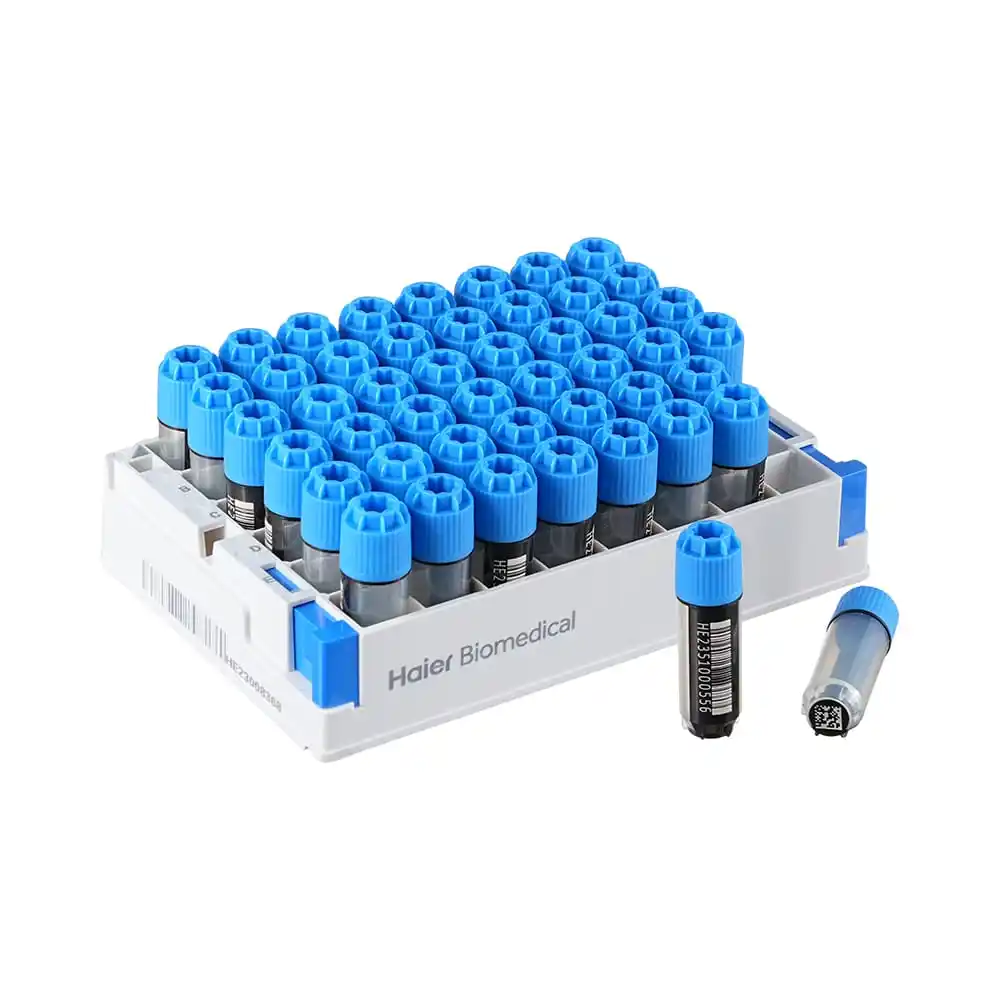
Choosing the right sterile sample tubes is a decision that directly affects data integrity, workflow efficiency, and regulatory compliance in laboratory and clinical environments. Whether you are processing biological specimens, conducting microbiological assays, or preparing samples for downstream analysis, the quality and suitability of your sterile sample tubes will determine how reliably your results can be trusted. Understanding the critical selection criteria before purchasing sterile sample tubes saves time, reduces contamination risks, and ensures your protocols meet required standards.
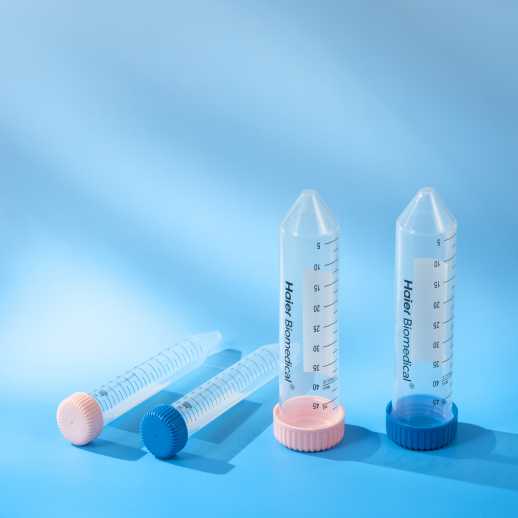
Laboratories today use sterile sample tubes across a broad range of disciplines, from clinical diagnostics and food safety testing to pharmaceutical research and environmental monitoring. Each application places unique demands on sterile sample tubes in terms of material composition, volume capacity, seal integrity, and compatibility with analytical instruments. Knowing exactly what your workflow requires allows you to identify sterile sample tubes that align with both technical needs and budgetary parameters without compromising sample quality.
Material and Construction of Sterile Sample Tubes
Polymer Selection and Chemical Compatibility
The material from which sterile sample tubes are manufactured plays a central role in their suitability for specific applications. Polypropylene is one of the most widely used polymers for sterile sample tubes because it offers excellent chemical resistance, low protein binding, and the ability to withstand a broad range of temperatures including freeze-thaw cycles. Polystyrene sterile sample tubes, while offering greater optical clarity, are more brittle and less resistant to harsh chemicals, making them better suited for low-stress diagnostic applications. Evaluating chemical compatibility between the tube material and your sample matrix is an essential first step when sourcing sterile sample tubes for sensitive assays.
Wall Thickness, Clarity, and Structural Integrity
Beyond polymer type, the physical construction of sterile sample tubes matters considerably. Wall thickness affects centrifugation tolerance, with thicker-walled sterile sample tubes capable of withstanding higher g-forces without deforming. Optical clarity is important in applications where visual inspection of the sample inside sterile sample tubes is required before or after processing. Graduated markings on the exterior of sterile sample tubes allow for quick volume estimation during pipetting or aliquoting steps. Selecting sterile sample tubes with consistent wall thickness and clearly legible graduations reduces human error in routine workflows and supports audit-trail requirements in regulated environments.
Sterility Assurance and Contamination Control
Sterilization Methods and Certification
Not all sterile sample tubes are manufactured under identical sterilization processes, and understanding the method used is critical for quality-sensitive applications. Gamma irradiation is one of the most common and reliable sterilization approaches applied to sterile sample tubes, as it penetrates packaging without leaving chemical residues that could interfere with sensitive assays. Ethylene oxide sterilization is another method used for sterile sample tubes but requires careful outgassing to remove residual traces before use. When evaluating sterile sample tubes, always confirm that the manufacturer provides documented sterilization validation, a certificate of sterility, and a stated sterility assurance level, typically SAL 10-6, to ensure the product meets laboratory and regulatory expectations.
Packaging Integrity and Shelf Life
Even the highest-quality sterile sample tubes can be compromised if packaging integrity is not maintained throughout shipping and storage. Sterile sample tubes should arrive in sealed, tamper-evident packaging that protects against moisture, particulates, and microbial contamination prior to use. Inspect sterile sample tubes upon receipt for any signs of damage, puncture, or improper sealing, as these defects nullify the sterility guarantee. Additionally, sterile sample tubes carry an expiration or use-by date tied to the validated sterility shelf life, and using expired sterile sample tubes in critical assays introduces unnecessary contamination risk. Proper storage conditions, including temperature and humidity controls, should be followed to maintain the declared integrity of sterile sample tubes throughout their stated shelf life.
Volume Capacity, Closure Design, and Application Fit
Matching Tube Volume to Workflow Requirements
Volume capacity is one of the most practical considerations when selecting sterile sample tubes. Common formats of sterile sample tubes include 1.5 ml microtubes, 15 ml conical tubes, and 50 ml conical tubes, each designed to accommodate different sample volumes and processing steps. Choosing undersized sterile sample tubes risks overflow and cross-contamination, while oversized sterile sample tubes may lead to inaccurate concentration readings if dead volume becomes a factor. For workflows involving centrifugation, the conical bottom geometry found in many standard sterile sample tubes ensures efficient pelleting of cells or particulates, minimizing sample loss during decanting or aspiration steps. Selecting the appropriate volume format of sterile sample tubes from the outset reduces the need for intermediate transfer steps that introduce contamination risk.
Closure Systems and Seal Reliability
The closure mechanism of sterile sample tubes directly impacts sample containment, aerosol prevention, and ease of use in routine laboratory settings. Screw-cap sterile sample tubes provide a more secure, leak-resistant seal compared to snap-cap designs, making them preferable for sample transport and long-term storage. Some sterile sample tubes feature integrated gaskets or O-ring seals that further reduce the risk of leakage during high-speed centrifugation or transportation. For clinical or field-based collection scenarios, sterile sample tubes with color-coded caps can support faster sample identification and reduce labeling errors. Evaluating the closure reliability of sterile sample tubes under the specific temperature and pressure conditions of your application ensures that samples remain uncompromised from collection through analysis.
FAQ
What makes sterile sample tubes different from standard laboratory tubes?
Sterile sample tubes are manufactured and processed under controlled conditions to eliminate microbial contamination, and they carry documented sterility certification. Standard laboratory tubes may not undergo validated sterilization, making them unsuitable for applications where contamination-free sample handling is required. Always verify certification when sourcing sterile sample tubes for clinical, microbiological, or regulatory-controlled work.
Can sterile sample tubes be reused after initial use?
Sterile sample tubes are generally designed for single use only. Reusing sterile sample tubes after initial contact with biological or chemical samples risks introducing cross-contamination between samples and compromises the sterility status of the tube. For applications requiring repeated use, purpose-built reusable labware with validated cleaning and re-sterilization protocols should be selected instead of standard single-use sterile sample tubes.
How should sterile sample tubes be stored to maintain their sterility?
Sterile sample tubes should be stored in a clean, dry environment away from direct sunlight, excessive heat, and humidity. Keep sterile sample tubes in their original sealed packaging until the moment of use to prevent premature exposure to environmental contaminants. Follow the manufacturer's stated storage temperature range and observe the expiration date printed on the packaging to ensure sterile sample tubes remain within their validated sterility assurance period before use.