
 EN
EN



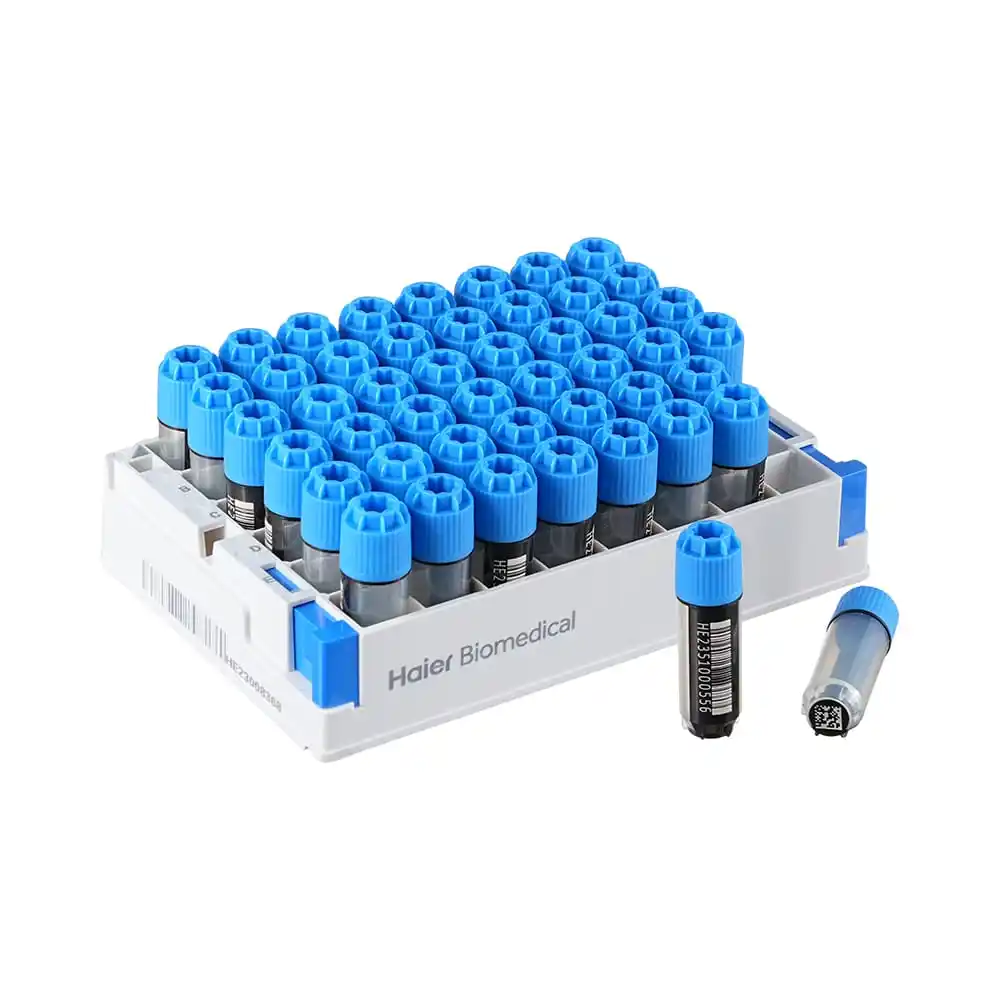
Leakage in sample tubes is one of the most persistent challenges in laboratory and biobanking environments. When sample tubes fail to maintain a proper seal, the consequences extend beyond simple inconvenience — contamination, specimen loss, and compromised research data can all follow. Understanding how to prevent leakage begins with recognizing that sample tubes must be selected, handled, and stored with deliberate care at every stage of their lifecycle.
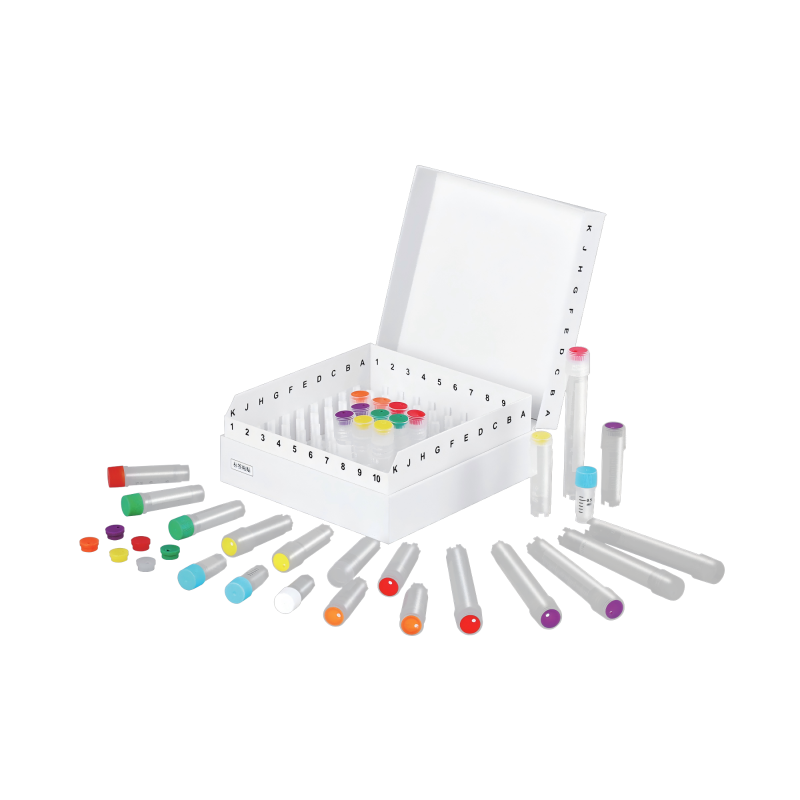
Laboratories that work with biological specimens, clinical samples, or cryogenically stored materials depend heavily on the integrity of their sample tubes. A single leak can render an irreplaceable specimen unusable or introduce cross-contamination that skews entire experimental batches. This article outlines the best practices that laboratory professionals should apply to prevent leakage in sample tubes and protect both sample quality and operational efficiency.
Choosing the Right Sample Tubes for Your Application
Material Compatibility and Structural Integrity
The first line of defense against leakage in sample tubes is selecting the correct tube for the specific application. Sample tubes are manufactured from different materials, including polypropylene and polyethylene, and each material behaves differently under thermal stress, chemical exposure, and mechanical pressure. Polypropylene sample tubes, for instance, are widely favored in cryogenic applications because the material maintains its structural integrity even at ultra-low temperatures where other plastics become brittle and prone to cracking.
When evaluating sample tubes for leakage resistance, it is essential to verify that the wall thickness is consistent throughout the body of the tube. Thin or uneven walls in sample tubes create weak points where pressure from freezing and thawing cycles can cause micro-fractures. Always source sample tubes from suppliers whose manufacturing process guarantees uniform wall thickness and passes rigorous quality control testing.
Cap and Seal Design in Sample Tubes
The cap-and-thread design of sample tubes plays a critical role in leakage prevention. Sample tubes with internal thread caps offer a tighter, more reliable seal compared to those with external thread caps because the sealing surface is better protected from contaminants and physical damage. Internal thread sample tubes also minimize the risk of cross-contamination during opening and closing, which is particularly important in infectious disease research and biobank storage. Before committing to a bulk purchase of sample tubes, laboratories should request leak-test certifications and, where possible, conduct in-house pressure or submersion tests on representative batches.
Proper Handling and Filling Techniques
Correct Fill Volume in Sample Tubes
Overfilling is one of the leading causes of leakage in sample tubes, especially those intended for cryogenic storage. When liquids freeze, they expand in volume. If sample tubes are filled beyond their recommended capacity, this expansion generates internal pressure that can force the cap open or crack the tube body. As a best practice, sample tubes should be filled to no more than 80 to 90 percent of their stated volume to allow adequate headspace for expansion. This rule applies consistently across all types of sample tubes used in freezing workflows, from standard biobank vials to specialized cryogenic containers.
Laboratory technicians should also be trained to inspect sample tubes for visible defects — such as chips on the threading, warped cap gaskets, or hairline cracks — before filling. Defective sample tubes should be discarded immediately rather than used in critical workflows where leakage could compromise results or biohazard containment.
Torque and Cap Tightening for Sample Tubes
Improper cap tightening is another frequent source of leakage in sample tubes. Caps that are too loose allow liquid to escape during transport or thermal cycling, while caps that are overtightened can strip the threading on sample tubes and permanently damage the sealing surface. The correct approach is to apply firm, consistent torque until resistance is felt, and then confirm the cap is seated flush against the tube body. For high-throughput environments, using a torque-controlled capping tool designed for sample tubes ensures that consistent closure force is applied across every unit, reducing the variability that leads to leakage events.
Storage and Transport Best Practices for Sample Tubes
Temperature Management and Freeze-Thaw Cycles
Sample tubes subjected to repeated freeze-thaw cycles experience cumulative material fatigue. Each cycle causes the tube body and cap to expand and contract, gradually weakening the seal over time. To minimize this risk, sample tubes should be stored at stable, consistent temperatures, and specimens should be aliquoted into multiple sample tubes where possible so that only the necessary volume is thawed and refrozen. This practice protects the integrity of both the sample and the sample tubes themselves, extending the useful life of each unit and reducing the overall risk of leakage.
For long-term storage in liquid nitrogen or ultra-low-temperature freezers, sample tubes must be rated and validated for the specific temperature range. Using sample tubes that are not designed for cryogenic conditions in liquid nitrogen environments is a leading cause of catastrophic leakage. Always verify that the sample tubes carry the appropriate temperature rating before placing them in extreme cold storage.
Rack, Box, and Transport Container Selection
Even well-sealed sample tubes can leak if they are stored or transported in a way that subjects them to physical impact, vibration, or undue lateral stress. Sample tubes should always be stored upright in purpose-designed racks or cryogenic boxes that hold each tube securely and prevent it from tipping or colliding with adjacent sample tubes. During transport, sample tubes must be placed in secondary containment — such as sealed biohazard bags within rigid outer containers — to ensure that any unexpected leakage is captured before it can spread. Laboratories should establish written transport protocols specifically covering how sample tubes are packaged, labeled, and monitored during transit.
FAQ
How often should sample tubes be inspected for potential leakage risks?
Sample tubes should be visually inspected before every use for signs of damage, including cracked walls, worn threading, or deformed cap gaskets. For sample tubes in long-term cryogenic storage, periodic checks — at least every six months — are recommended to identify any tubes that may have developed seal degradation over time.
Can sample tubes be reused after a leakage event?
Sample tubes that have leaked should not be reused for primary specimen storage. Even if the visible damage appears minor, compromised sample tubes may harbor contamination or structural weaknesses that increase the risk of a repeat failure. Disposing of and replacing affected sample tubes is the safest and most reliable course of action.
What standards should sample tubes meet to ensure leakage prevention?
High-quality sample tubes should comply with relevant international standards such as ISO certification for laboratory plasticware and meet DNase-free, RNase-free, and sterile requirements where applicable. Leak-proof performance should be validated through pressure testing, and sample tubes intended for cryogenic use should demonstrate compliance with temperature performance down to at least minus 196 degrees Celsius for liquid nitrogen storage applications.