
 EN
EN



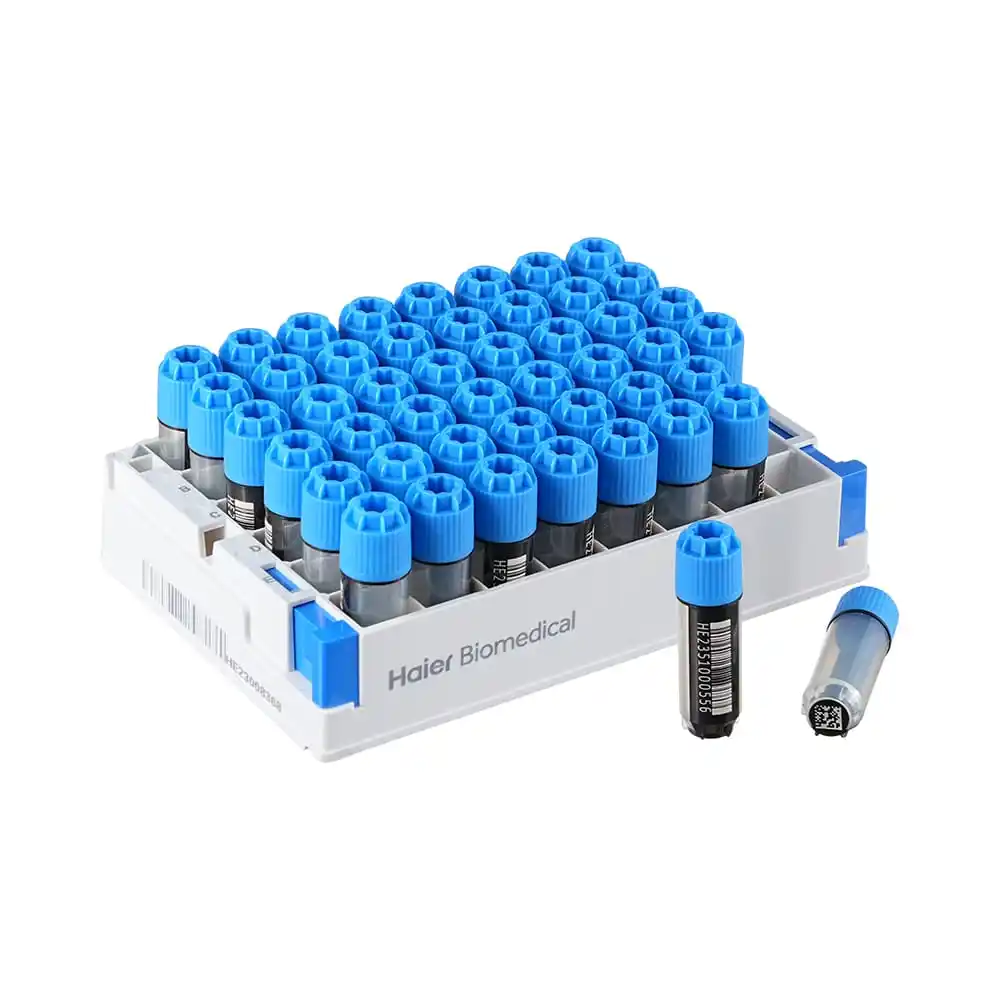
In modern laboratory environments, efficient sample management is not just a convenience — it is a scientific necessity. Freezer racks play a central role in organizing biological samples, reagents, and critical materials stored inside ultra-low temperature freezers and cryogenic storage units. Without properly designed freezer racks, laboratories risk sample misidentification, temperature excursions, and significant losses in operational time. Understanding why freezer racks matter begins with recognizing how they transform chaotic cold storage into a structured, retrievable, and reliable system.
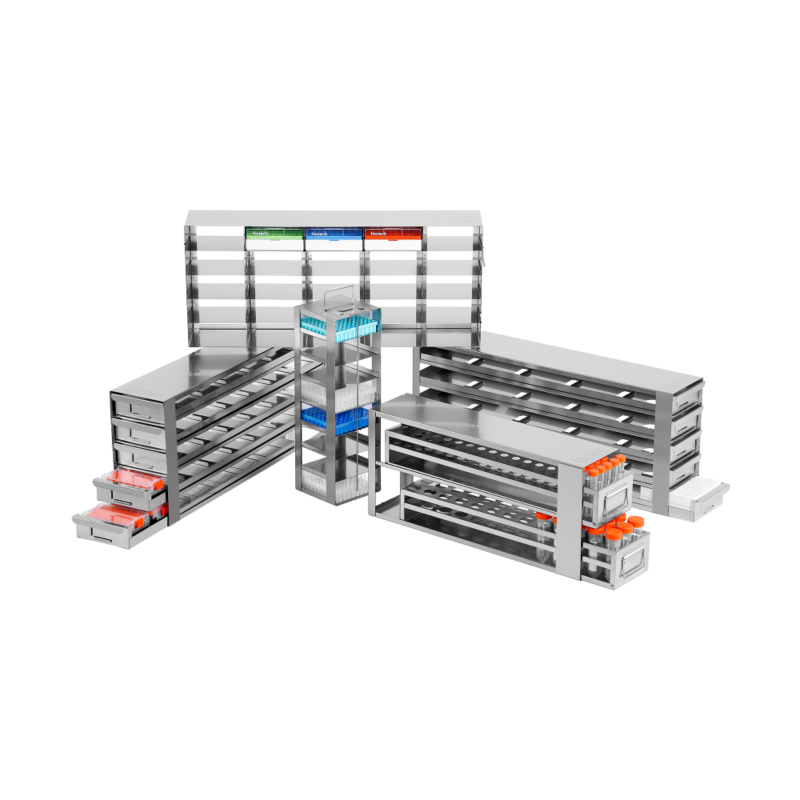
Laboratories that invest in high-quality freezer racks consistently report faster sample retrieval, reduced freezer door open times, and better compliance with sample integrity protocols. Freezer racks are not simply passive holders — they are active contributors to laboratory workflow efficiency. From vertical box racks to horizontal tube racks, each freezer rack design serves a specific purpose aligned with sample volume, sample type, and freezer dimensions. This article explains the core reasons why freezer racks are indispensable in any serious laboratory storage strategy.
How Freezer Racks Maximize Storage Capacity
Vertical and Horizontal Rack Configurations
One of the primary reasons laboratories rely on freezer racks is their ability to maximize usable storage space inside a freezer unit. Without freezer racks, sample boxes and containers are often stacked haphazardly, wasting vertical space and making lower-level samples nearly inaccessible. Properly configured freezer racks use every cubic centimeter of available freezer space by organizing containers in uniform, tiered rows. Whether a laboratory uses vertical box freezer racks or horizontal drawer-style freezer racks, the structural design ensures that each position within the freezer is utilized purposefully rather than left to chance placement.
Freezer racks designed for ULT freezers are typically made from stainless steel or high-grade aluminum, materials that withstand extreme cold without warping or degrading. The dimensional precision of these freezer racks allows laboratories to calculate exact storage capacity and plan inventory management with confidence. When freezer racks are sized correctly for the freezer model, laboratories can often double or triple the number of sample boxes stored in the same physical footprint, directly improving throughput without requiring additional freezer units.
Modular Freezer Rack Systems
Modular freezer racks offer an additional advantage by allowing laboratories to reconfigure storage layouts as sample volumes change. Rather than purchasing entirely new storage infrastructure, a modular freezer rack system allows individual rack components to be added, removed, or repositioned. This flexibility is especially valuable in research environments where sample type and volume vary between projects. Modular freezer racks reduce waste and enable laboratories to respond quickly to changing storage demands without compromising on organization or accessibility.
Freezer Racks and Sample Integrity Protection
Controlled Airflow and Thermal Stability
Sample integrity is the foundation of reliable research outcomes, and freezer racks contribute directly to maintaining it. Freezer racks that are thoughtfully designed allow cold air to circulate freely around stored samples, preventing the formation of warm pockets that could compromise temperature-sensitive materials. In ultra-low temperature freezers operating at minus eighty degrees Celsius, even minor temperature variation can degrade biological samples. Properly spaced freezer racks ensure that every sample position benefits from consistent thermal exposure, maintaining the integrity of stored materials over long periods.
Beyond airflow, freezer racks physically protect samples from mechanical damage. Samples stored without freezer racks are more vulnerable to being knocked over, dropped during retrieval, or crushed under the weight of stacked containers. Freezer racks hold each sample box or tube holder in a fixed, stable position, reducing the physical risk during daily laboratory operations. The structural protection offered by freezer racks is particularly critical in high-throughput laboratories where multiple staff members access freezer storage throughout the day.
Reducing Freezer Door Open Time
One of the most overlooked benefits of freezer racks is their role in reducing freezer door open time. When samples are stored without freezer racks, researchers often spend excessive time searching through disorganized containers, leaving the freezer door open and exposing all stored materials to ambient temperature. Freezer racks impose order on the storage environment, making it possible to locate a specific sample within seconds rather than minutes. Every second the freezer door remains closed is a direct contribution to sample preservation and energy efficiency. Laboratories using organized freezer racks consistently report lower energy consumption and fewer temperature recovery events after access.
Operational Efficiency Gains from Freezer Racks
Faster Sample Retrieval and Inventory Control
Laboratory efficiency depends on predictable, repeatable workflows. Freezer racks create a logical grid system within the freezer, allowing each sample position to be assigned a unique coordinate that maps directly to a laboratory information management system. When freezer racks are used in combination with labeling standards, researchers can locate any sample without guesswork. This systematic approach to storage eliminates time wasted on manual searching, reduces the risk of retrieving the wrong sample, and supports accurate inventory tracking across large sample libraries. Freezer racks are, in this sense, the physical backbone of a laboratory's sample management strategy.
In facilities that manage thousands of samples, the cumulative time savings generated by freezer racks are substantial. Staff spend less time at the freezer, reducing fatigue and the risk of handling errors. Freezer racks also simplify the onboarding of new laboratory personnel, because the structured layout is intuitive and easy to learn. When every researcher follows the same freezer rack layout, sample accountability improves and the likelihood of mislabeled or misplaced samples decreases significantly.
Long-Term Cost Benefits of Using Freezer Racks
From a financial perspective, freezer racks represent a high-value investment relative to the cost of sample loss or freezer malfunction. Samples stored in disorganized freezers are more likely to be lost, degraded, or accidentally discarded. Each lost sample carries a cost that may include consumables, reagents, researcher time, and in some cases, irreplaceable biological materials. Freezer racks mitigate these risks by maintaining order, protecting physical sample integrity, and extending the productive life of the freezer itself through more efficient use of its internal space. For any laboratory managing valuable samples, the long-term cost savings generated by using quality freezer racks far outweigh the initial investment.
FAQ
What types of freezer racks are best suited for ULT freezers?
Stainless steel and aluminum freezer racks are the most suitable for ULT freezers operating at minus eighty degrees Celsius. These materials resist corrosion, maintain structural stability at extreme temperatures, and are easy to clean. Freezer racks designed specifically for ULT applications typically have precise dimensions that match standard freezer internal compartments, ensuring a secure and space-efficient fit.
How do freezer racks help with laboratory compliance and audits?
Freezer racks support compliance by enabling systematic sample placement that integrates with laboratory information management systems. When every sample has a documented position within a freezer rack, audit trails are easier to maintain. Regulatory bodies in clinical and research environments often require documented evidence of proper sample storage conditions, and organized freezer racks make this documentation straightforward and verifiable.
Can freezer racks be used in both cryogenic and standard laboratory freezers?
Yes, freezer racks are available in configurations suited for cryogenic storage dewars, ULT chest and upright freezers, and standard minus twenty degree laboratory freezers. The key is selecting freezer racks with the correct dimensions, material grade, and load capacity for the specific freezer type. Using purpose-matched freezer racks in each storage environment ensures maximum efficiency, sample safety, and long-term structural performance across different cold storage systems.