tissue culture dish
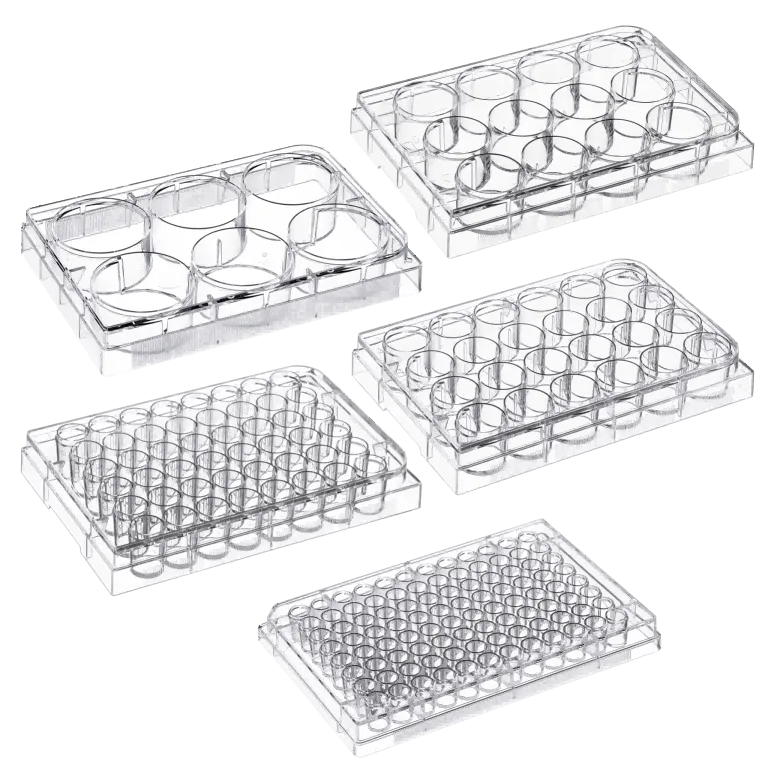
A tissue culture dish is a specialized laboratory vessel designed to support the growth and maintenance of living cells outside their natural environment. This essential tool serves as the foundation for modern biological research, pharmaceutical development, and medical innovation. The tissue culture dish provides a sterile, controlled platform where scientists can cultivate various cell types, including mammalian cells, plant cells, and microorganisms.
The primary function of a tissue culture dish is to create an optimal microenvironment for cell proliferation and differentiation. These dishes feature a specially treated surface that promotes cell adhesion while maintaining cellular integrity and functionality. The tissue culture dish typically includes a secure lid that prevents contamination while allowing gas exchange necessary for cell respiration.
Technologically, modern tissue culture dishes incorporate advanced surface coatings and precise dimensional specifications. The flat bottom design ensures even medium distribution and consistent cell growth across the entire surface. Many tissue culture dish models feature graduated sizing, ranging from small research-scale dishes to large production-volume containers.
Applications of the tissue culture dish extend across multiple scientific disciplines. Researchers use tissue culture dishes for drug testing, vaccine development, cancer research, and regenerative medicine studies. The tissue culture dish has become indispensable in quality control processes for pharmaceutical companies and biotechnology firms. Academic institutions rely on tissue culture dishes for fundamental biological research and educational purposes. These versatile vessels support both adherent and suspension cell cultures, making them suitable for diverse research objectives and commercial applications.

 EN
EN