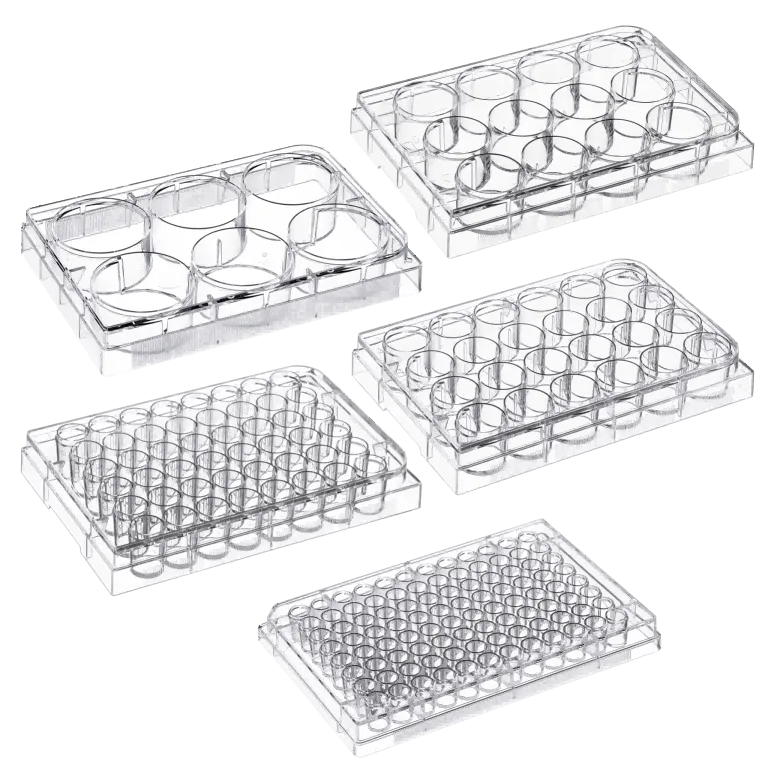
tissue culture treated plates
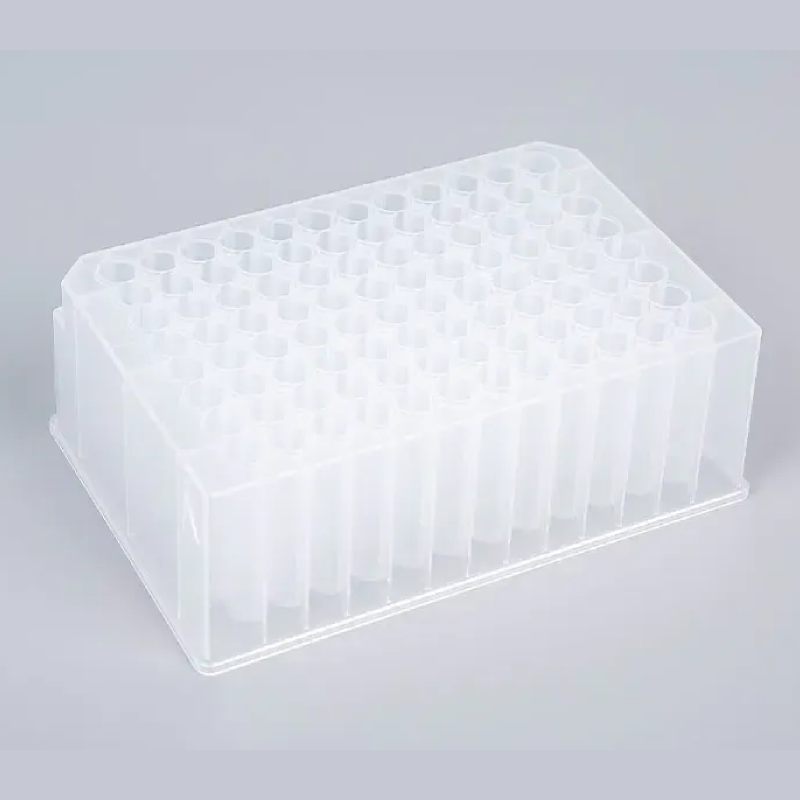
Tissue culture treated plates represent a fundamental laboratory tool designed specifically for cell growth and adherence applications. These specialized tissue culture treated plates feature a precisely engineered surface coating that promotes optimal cell attachment and proliferation. The innovative treatment process creates an ideal microenvironment for various cell types, including mammalian cells, stem cells, and primary cultures. Tissue culture treated plates incorporate advanced technological features that enhance cell-substrate interaction through surface modification techniques. The coating on tissue culture treated plates is carefully formulated to increase surface energy, facilitating protein absorption and cellular adhesion without compromising cell viability. These plates come in multiple formats, including 6-well, 12-well, 24-well, and 96-well configurations, accommodating diverse research needs. Tissue culture treated plates find extensive applications across pharmaceutical research, drug development, biotechnology, and academic institutions. Researchers utilize tissue culture treated plates for cell proliferation studies, toxicity testing, gene expression analysis, and therapeutic development. The standardized design ensures consistent results and reproducibility across experiments. Whether used for monolayer culture or specialized applications, tissue culture treated plates deliver reliable performance. The transparent polystyrene construction allows real-time observation of cell behavior and morphology. Tissue culture treated plates have become essential in modern life science laboratories, supporting breakthrough discoveries and advancing medical research globally.

 EN
EN