petri dish with cells
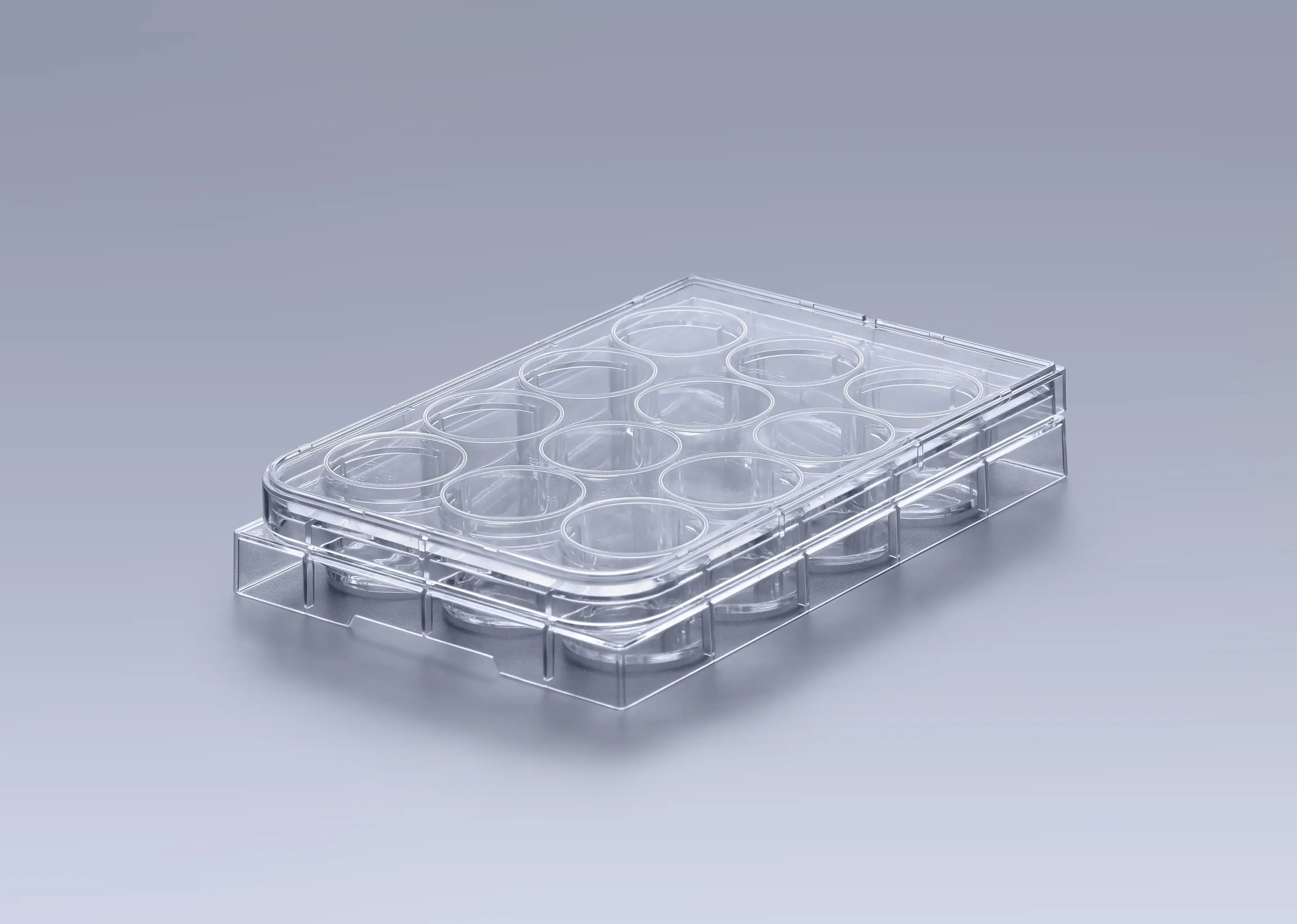
A petri dish with cells represents a fundamental tool in modern biological and medical research. This specialized laboratory equipment consists of a shallow cylindrical glass or plastic container designed to culture and observe living cells in a controlled environment. The petri dish with cells enables researchers to study cellular behavior, conduct experiments, and develop new treatments across various scientific disciplines.
The primary function of a petri dish with cells involves creating an optimal growth environment where cells can proliferate, differentiate, and interact naturally. The transparent design allows continuous visual monitoring without disturbing the cellular cultures. A petri dish with cells typically contains nutrient-rich growth media that sustains cellular metabolism and supports long-term viability.
Technologically, modern petri dish with cells systems incorporate advanced features including temperature regulation, sterile conditions maintenance, and gas exchange optimization. These vessels come in various sizes to accommodate different experimental requirements, from small-scale research to large-volume production applications.
Applications of a petri dish with cells span pharmaceutical development, disease modeling, toxicity testing, and regenerative medicine research. Scientists utilize this equipment to observe cancer cell behavior, test drug efficacy, develop vaccines, and study genetic mutations. The petri dish with cells remains indispensable in educational institutions, research laboratories, and clinical diagnostic centers worldwide, making it a cornerstone of contemporary biological investigation and innovation.

 EN
EN