
 EN
EN



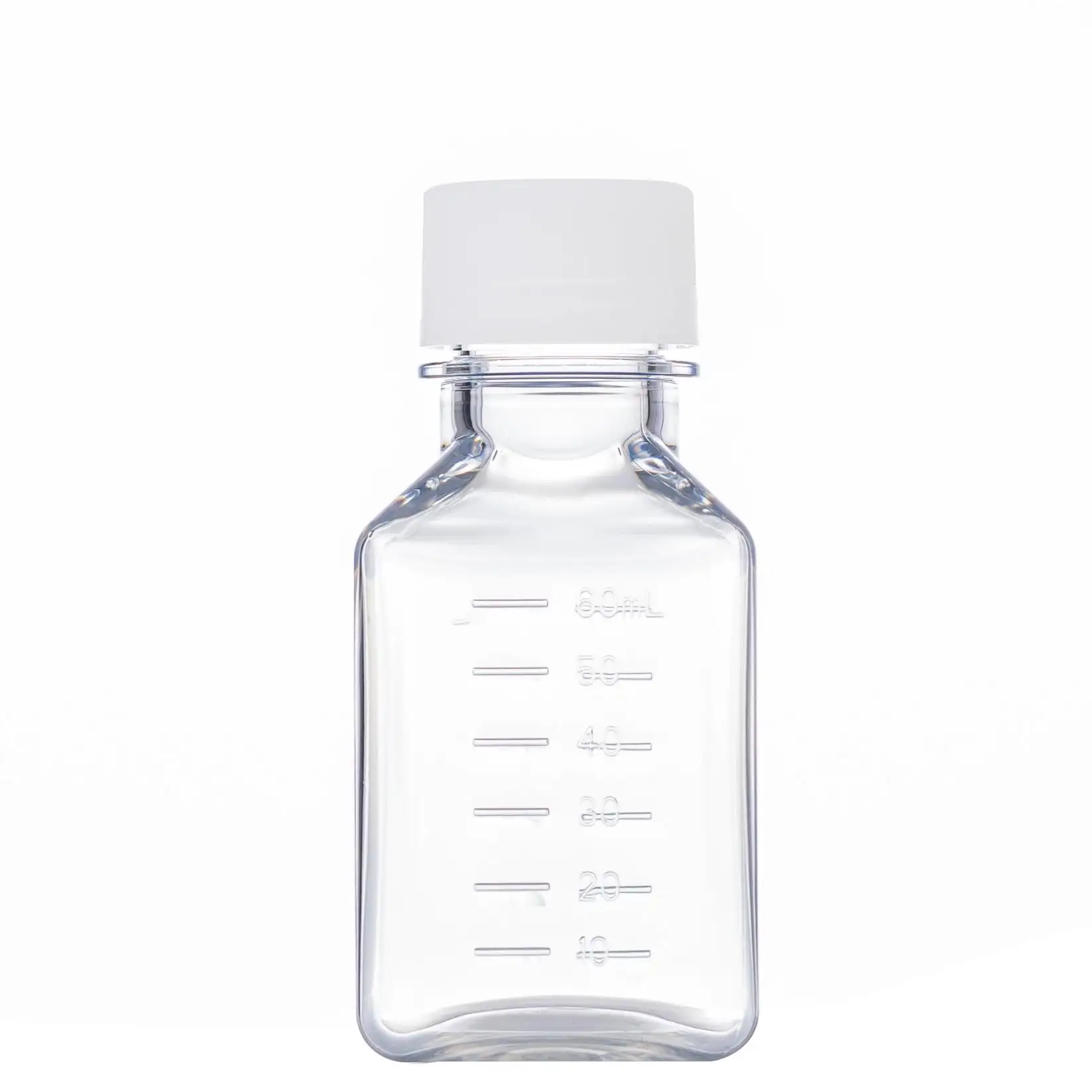
When working with biological samples in laboratory, clinical, or research environments, the choice of storage container is never trivial. serum bottles have become a trusted solution across a wide range of life science applications, offering a combination of chemical resistance, structural integrity, and sealing reliability that directly supports sample preservation. Understanding how these containers contribute to safe biological storage helps laboratories make better procurement decisions and avoid costly sample degradation or contamination incidents.
The integrity of biological samples — whether they contain serum, plasma, cell cultures, reagents, or growth media — depends heavily on the physical and chemical properties of the container holding them. serum bottles designed for life science use are engineered to address the specific challenges of biological storage, including temperature fluctuations, contamination risks, leaching of harmful substances, and pressure buildup from gaseous byproducts. This article explores the mechanisms through which serum bottles ensure safe and reliable storage of biological samples, from material selection to closure design and handling protocols.
Material Properties That Protect Biological Integrity
Chemical Resistance and Low Leaching Risk
One of the most critical ways serum bottles safeguard biological samples is through the chemical inertness of their construction materials. High-quality serum bottles manufactured from PET (polyethylene terephthalate) or PETG (glycol-modified PET) offer excellent resistance to a wide spectrum of aqueous solutions, including buffers, saline preparations, and protein-rich biological fluids. This resistance prevents the container material from reacting with sample contents, which could alter the biochemical composition of the stored material.
Leaching is a significant concern in biological storage, particularly for sensitive assays where trace contamination from container walls can skew analytical results. serum bottles produced from pharmaceutical-grade polymers are formulated to minimize the release of plasticizers, stabilizers, or residual monomers into the stored sample. This makes them suitable for long-term storage scenarios where even minor chemical interference can compromise downstream testing or research outcomes.
In contrast to standard storage containers, serum bottles intended for biological applications undergo rigorous material testing to confirm compliance with relevant pharmaceutical and laboratory safety standards. This testing ensures that the container contributes minimal extractable or leachable content, preserving the original composition and activity of the biological sample over time.
Optical Clarity and Sample Monitoring
Transparent or semi-transparent serum bottles provide a practical advantage in biological storage workflows. Laboratory personnel can visually inspect the contents without opening the container, reducing the number of unnecessary cap removals that could introduce contamination or allow volatile components to escape. Visual monitoring allows teams to identify turbidity, color changes, precipitation, or unexpected particulate matter — all of which may indicate sample degradation or contamination before any analytical testing begins.
PETG material in particular offers superior optical clarity compared to standard HDPE bottles, making it a preferred choice when visual inspection of biological samples is a routine part of quality control. serum bottles with consistent wall thickness provide uniform optical properties across the container, avoiding distortion that could misrepresent the appearance of the stored content.
Closure Systems and Contamination Prevention
Leak-Proof Cap Design for Biological Safety
The closure system of serum bottles is one of the most decisive factors in preventing biological contamination. A properly engineered cap creates a hermetic seal that prevents both the ingress of external contaminants and the egress of potentially biohazardous material. For laboratories handling pathogenic organisms, infectious serum samples, or volatile biochemical compounds, this dual sealing function is essential for both sample integrity and personnel safety.
Screw-cap closures used with serum bottles typically incorporate inner liner seals or compression gaskets that conform to the bottle neck geometry under tightening pressure. This design eliminates micro-gaps where microbial contamination could occur during transport, storage in shared refrigeration units, or handling in non-sterile environments. The reliability of this seal is especially important in clinical storage settings where a breach could render an irreplaceable patient sample unusable.
Well-designed serum bottles also feature tamper-evident closure mechanisms that provide a clear visual indicator of whether a container has been opened since filling. This feature supports chain-of-custody documentation in clinical trials, biobanking operations, and regulated laboratory environments where sample traceability is a compliance requirement.
Sterility Maintenance During Extended Storage
Maintaining sterility over extended storage periods is a core expectation of serum bottles used in biological applications. Bottles that are gamma-irradiated or manufactured under cleanroom conditions arrive in a sterile state, eliminating the need for additional autoclaving steps that could introduce thermal stress to heat-sensitive biological contents. This is particularly relevant for pre-filled serum storage scenarios or when bottles are used directly in cell culture workflows.
The surface finish of serum bottles also plays a role in sterility maintenance. Smooth internal surfaces reduce the adhesion of microbial biofilms, making the container easier to decontaminate between uses if applicable and reducing the risk of cross-contamination between sample batches. Some specialized serum bottles incorporate treated surfaces that further minimize protein adsorption, which is critical when storing low-concentration biological samples where loss of analyte to container walls would produce inaccurate downstream results.
Structural Integrity Under Storage Conditions
Performance Across Temperature Ranges
Biological samples are routinely stored under conditions ranging from ambient temperature to deep freeze, and serum bottles must perform reliably across this entire spectrum. PETG-based serum bottles demonstrate good dimensional stability at refrigerator temperatures (2–8°C) and can tolerate frozen storage conditions that would cause brittle fracture in less suitable materials. This thermal flexibility reduces the risk of container failure during freeze-thaw cycles, which are a common part of sample management in biobanking and clinical research.
Sudden temperature transitions, such as transferring a cold sample container to a room-temperature workspace, can create condensation and temporary pressure differentials. serum bottles with adequate wall thickness and well-fitted closures handle these transitions without compromising seal integrity or allowing condensation moisture to infiltrate the cap-to-bottle interface. This robustness directly supports safe handling practices in busy laboratory environments where careful temperature management is not always feasible at every step.
For applications involving incubation at elevated temperatures — such as growing microbial cultures or conducting enzymatic reactions — serum bottles rated for appropriate thermal thresholds prevent deformation, warping, or seal failure that could lead to sample loss or exposure of laboratory personnel to biological hazards.
Pressure Resistance and Gas Permeability Control
Certain biological storage applications generate internal pressure as a natural byproduct of the stored content. Microbial cultures, for instance, produce carbon dioxide during growth, and fermentation-related storage containers must accommodate this gas generation without rupturing. serum bottles designed with appropriate wall strength and secure closures provide sufficient pressure resistance for these applications without requiring cumbersome secondary containment measures.
Gas permeability is another dimension of container performance that directly affects biological sample safety. Materials with low oxygen permeability are preferred for storing anaerobic cultures or oxidation-sensitive biological compounds. serum bottles manufactured from PETG exhibit lower gas transmission rates compared to softer polymer alternatives, helping to maintain the internal atmosphere of the container in alignment with the biological requirements of the stored sample.
Practical Workflow Benefits That Support Safe Handling
Graduated Markings and Volume Accuracy
Accurate volume measurement is a routine requirement in biological sample management. serum bottles with clear, durable graduated markings allow laboratory personnel to fill, dilute, or aliquot samples without transferring contents to a separate measuring vessel. This reduction in transfer steps directly lowers contamination risk, as each additional container used in a workflow introduces another potential point of failure in the sterility chain.
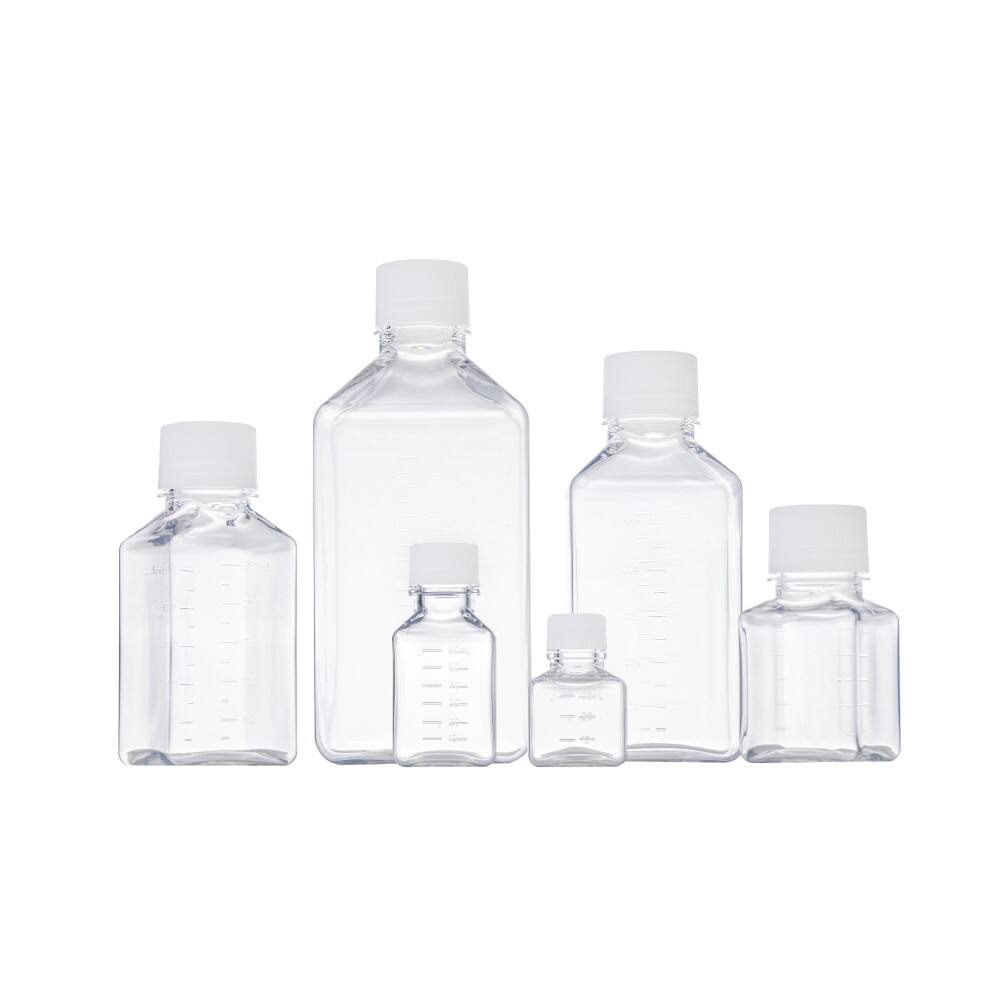
The volume range available in serum bottles — from small 30 ml formats to larger 1000 ml capacities — provides flexibility across different biological storage needs, from single patient sample archiving to bulk reagent preparation. Choosing the appropriately sized serum bottles for a given application minimizes headspace volume, which is relevant for samples sensitive to oxidation or evaporation during long-term cold storage.
Compatibility with Automation and Laboratory Equipment
Modern laboratory workflows increasingly rely on automated liquid handling systems, robotic sample processors, and standardized labware formats. serum bottles engineered to consistent dimensional specifications integrate smoothly with these automated platforms, supporting high-throughput biological sample storage operations without manual intervention. Dimensional consistency across a production batch ensures that robotic gripper systems, automated capping machines, and refrigerated storage racks function as intended without jamming or misalignment.
Flat-sided or square-profile serum bottles offer stacking and space efficiency advantages in automated cold storage systems, allowing higher density archiving in limited freezer or refrigerator footprints. This design consideration is not merely logistical — compact, stable stacking reduces the risk of bottles being knocked over, dropped, or otherwise physically compromised during automated retrieval operations.
Labeling surfaces on serum bottles must also withstand the conditions of biological storage, including moisture, cold temperatures, and chemical exposure from spills or decontamination procedures. Bottles with smooth, consistent external surfaces support reliable adhesion of barcode labels, RFID tags, and printed identification markers, which are essential for sample traceability in compliant laboratory environments.
FAQ
What materials are serum bottles typically made from for biological sample storage?
serum bottles used for biological sample storage are commonly manufactured from PET or PETG polymers. These materials offer chemical resistance, low leaching potential, optical clarity, and sufficient thermal performance for refrigerated and frozen storage conditions. PETG is particularly valued for its clarity and impact resistance, making it a widely used choice in life science and clinical laboratory applications.
How do serum bottles prevent contamination of stored biological samples?
serum bottles prevent contamination through several mechanisms working together. A well-designed screw-cap closure with an inner seal creates a hermetic barrier against microbial and chemical ingress. Smooth internal surfaces resist biofilm formation and protein adsorption. Sterile manufacturing processes or gamma irradiation treatment ensure bottles arrive contamination-free. Together, these features maintain sample purity throughout storage and handling.
Can serum bottles be used for frozen biological sample storage?
Yes, serum bottles manufactured from PETG can generally withstand refrigerated and moderately frozen storage conditions without becoming brittle or losing dimensional stability. However, the suitability of a specific bottle for deep-freeze applications depends on the material grade and closure design. It is advisable to verify the temperature rating of a specific serum bottles product with the manufacturer before using it for ultra-low temperature or cryogenic storage.
Why is headspace volume important when storing biological samples in serum bottles?
Headspace is the unfilled air volume inside a closed serum bottles container above the sample surface. Excess headspace exposes the biological sample to a larger volume of oxygen, which can accelerate oxidative degradation of sensitive biomolecules such as lipids, proteins, and nucleic acids. Choosing correctly sized serum bottles that minimize headspace helps preserve sample quality during long-term storage, particularly when working with oxidation-sensitive biological materials.
Table of Contents
- Material Properties That Protect Biological Integrity
- Closure Systems and Contamination Prevention
- Structural Integrity Under Storage Conditions
- Practical Workflow Benefits That Support Safe Handling
-
FAQ
- What materials are serum bottles typically made from for biological sample storage?
- How do serum bottles prevent contamination of stored biological samples?
- Can serum bottles be used for frozen biological sample storage?
- Why is headspace volume important when storing biological samples in serum bottles?