
 EN
EN



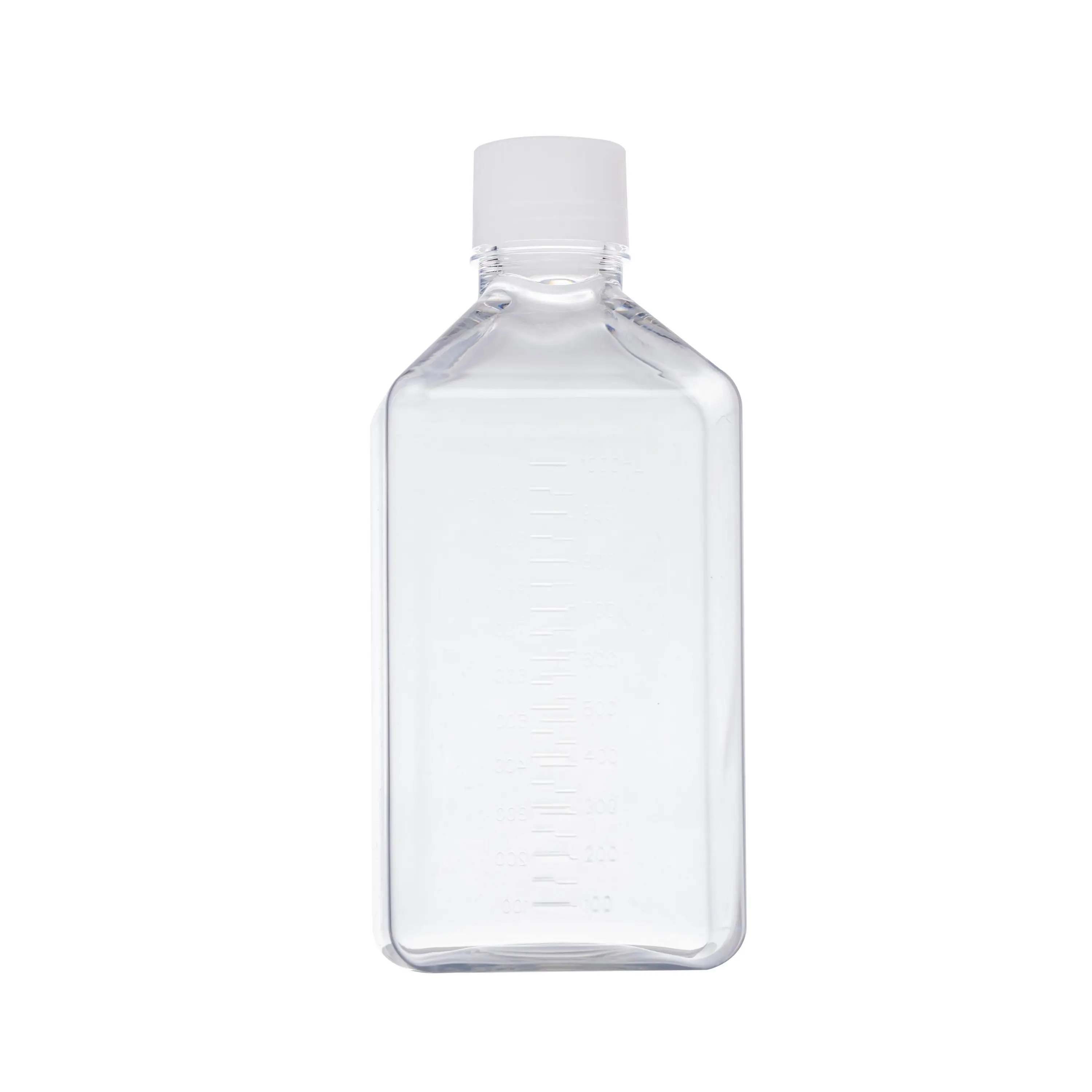
When sourcing laboratory or biopharmaceutical packaging, few decisions carry as much weight as selecting the right sterile serum bottles. These containers play a direct role in preserving the integrity of biological samples, culture media, reagents, and serum preparations. A poorly chosen bottle can compromise sterility, introduce contaminants, or degrade sensitive contents—outcomes that can invalidate experiments, delay production timelines, or create serious regulatory compliance issues. Understanding what truly matters before making a purchase is therefore not just practical; it is professionally essential.
The market for sterile serum bottles has grown considerably as more laboratories, biotech firms, and research institutions demand reliable, single-use, or reusable containment solutions that meet strict quality standards. With a wide variety of materials, sizes, closure types, and certifications available, navigating the purchasing decision requires informed judgment. This article examines the most critical factors buyers should evaluate before committing to a supplier or product line, helping you make a purchase that supports both scientific rigor and operational efficiency.
Material Composition and Chemical Compatibility
Understanding PET and PETG as Primary Materials
The material from which sterile serum bottles are manufactured has a profound impact on their suitability for different applications. Polyethylene terephthalate, commonly known as PET, and its glycol-modified variant PETG are among the most widely used polymers in laboratory bottle production. PET offers exceptional clarity, allowing users to visually inspect contents without opening the container. It also provides good chemical resistance against a broad range of aqueous solutions, buffers, and biological media.
PETG builds upon these properties with enhanced impact resistance and a lower processing temperature, making it slightly more flexible and less prone to stress cracking under mechanical load. For applications involving repeated handling, shipping, or temperature fluctuation, PETG can offer an advantage over standard PET. When purchasing sterile serum bottles, confirming whether the material is PET or PETG—and understanding the performance difference—helps you match the container to your specific workflow requirements.
Beyond polymer type, you should also assess whether the material has been tested and certified as free from leachables and extractables that could interfere with biological assays or cell cultures. In sensitive serum-based applications, even trace contamination from plasticizers or residual monomers can skew results. Always request documentation from the supplier confirming material safety and compliance with international standards.
Chemical Resistance and Application Compatibility
Not every sterile serum bottles material performs equally across all chemical environments. While PET and PETG excel in aqueous and protein-rich environments, they may show limited resistance to aggressive organic solvents, concentrated acids, or strong oxidizing agents. Before purchasing, it is important to review the chemical compatibility data provided by the manufacturer and cross-reference it against the substances you intend to store or process.
For laboratories handling a diverse range of reagents alongside serum preparations, it may be worth considering multi-purpose containers rated for broader chemical compatibility. However, for dedicated serum and biological media storage, PET and PETG remain excellent choices because they prioritize clarity, low protein binding, and sterility retention. Confirming compatibility reduces risk and extends the usable life of your sterile serum bottles.
Sterility Assurance and Quality Certification
Sterilization Methods and Their Implications
Sterility is obviously central to the definition of sterile serum bottles, but how that sterility is achieved matters greatly. The two most common industrial sterilization methods for plastic laboratory bottles are gamma irradiation and ethylene oxide (EtO) treatment. Gamma irradiation penetrates deeply, leaves no residue, and is highly effective, making it the preferred choice for most single-use biopharmaceutical packaging. EtO treatment is also effective but requires thorough aeration to eliminate residual gas, which adds complexity to the manufacturing process.
When evaluating sterile serum bottles, ask the supplier to specify which sterilization method was used and what validation data supports the sterility assurance level (SAL). For most pharmaceutical and biotech applications, an SAL of 10⁻⁶ is the accepted minimum standard, meaning the probability of a viable microorganism being present is less than one in a million. Documented validation studies should accompany any credible offering of sterile containers.
In addition to the sterilization method, examine the packaging integrity. Sterile bottles must be shipped and stored in tamper-evident, sealed packaging that protects them from environmental contamination until the point of use. Double-bagging, heat sealing, and lot-numbered traceability labels are indicators of a supplier who takes sterility maintenance seriously throughout the supply chain.
Regulatory Compliance and Quality Standards
Quality certifications are non-negotiable when purchasing sterile serum bottles for regulated environments such as pharmaceutical manufacturing, clinical diagnostics, or GMP-compliant research. ISO 9001 certification indicates that the manufacturer operates under a documented quality management system, while ISO 13485 applies specifically to manufacturers of medical devices and related products. USP Class VI or ISO 10993 biocompatibility testing provides assurance that materials will not cause adverse biological responses.
Buyers working in FDA-regulated environments should look for suppliers that maintain records suitable for audit, including batch records, certificate of conformance, and certificate of analysis. The availability of these documents is a practical indicator of a manufacturer's commitment to traceability and consistent quality. For global procurement teams, CE marking and compliance with EU directives may also be required depending on the end-use context of the sterile serum bottles.
Bottle Size, Volume Range, and Design Features
Selecting the Right Volume for Your Application
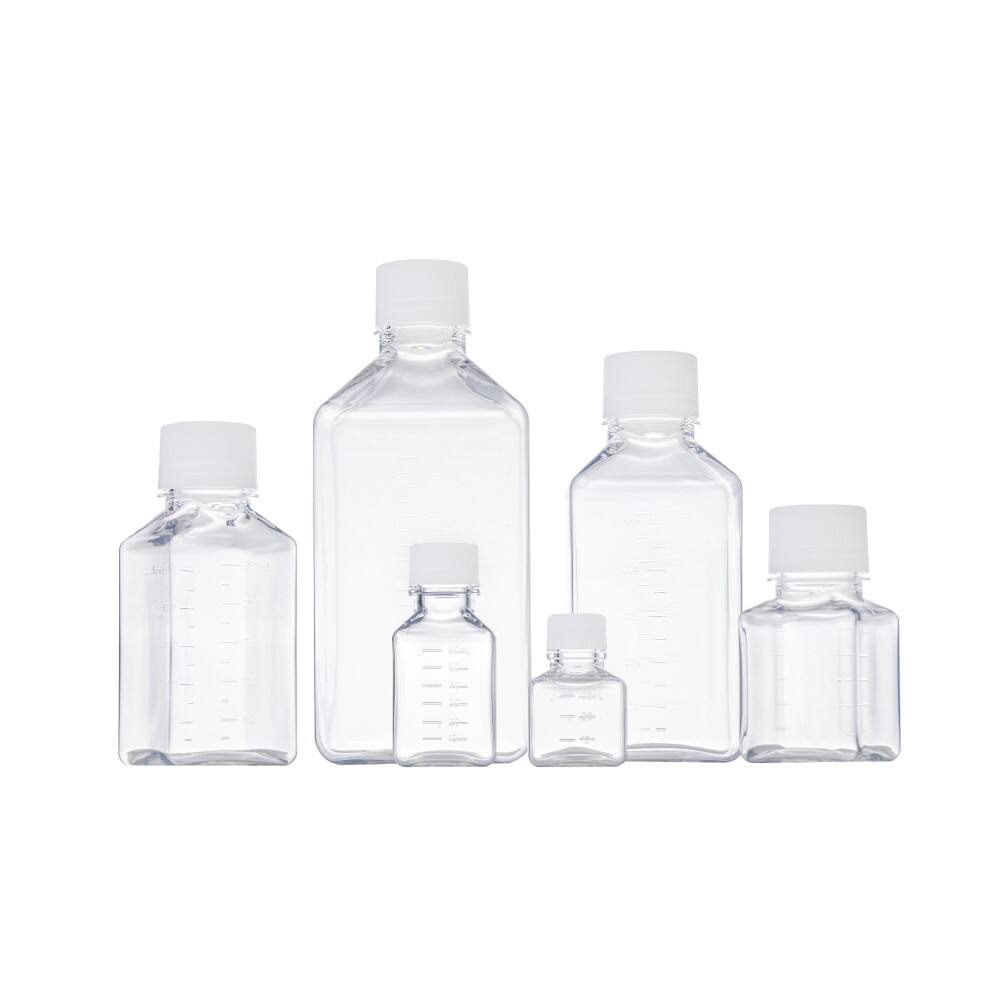
The volume capacity of sterile serum bottles directly determines their suitability for different laboratory and production tasks. Common volume options span from compact 30 mL containers used for small-scale research or sample archiving, up to 1000 mL or larger bottles used for media preparation and bulk serum storage. Understanding your typical usage volume helps minimize dead volume waste and reduces the risk of unnecessary contamination from repeated access to a single large container.
Intermediate volumes such as 60 mL, 125 mL, and 500 mL are frequently used across cell culture workflows, quality control labs, and diagnostic reagent preparation. A supplier offering a comprehensive size range allows you to standardize your procurement to a single vendor while matching container volumes to specific application needs. You can explore a broad selection of sterile serum bottles in sizes ranging from 30 mL to 1000 mL with PET and PETG options designed for laboratory media and biological storage applications.
When choosing volume, also consider the downstream application carefully. If bottles will be used for single-use, aliquoted serum distribution, smaller individual containers reduce the number of freeze-thaw cycles the contents are subjected to, which helps preserve bioactivity. If bottles will be used as reservoirs during manufacturing, larger volumes minimize the frequency of container changeover and reduce labor time.
Closure Design and Seal Integrity
The closure system is one of the most functionally important design elements in sterile serum bottles. A high-quality cap must create an airtight, leak-proof seal to protect contents from evaporation, contamination, and oxidation. Common closure types include screw caps with liner inserts, vented caps for filtered gas exchange during cell culture incubation, and foil-sealed caps for enhanced tamper evidence.
For serum storage and media preparation, a positive-seal screw cap made from HDPE or polypropylene with an integral liner is generally preferred. The cap-liner interface should be evaluated under torque and pressure conditions to verify that it maintains integrity during transport, autoclave cycles (if applicable), and in storage at low temperatures. It is also worth confirming whether the closure design allows for easy one-handed operation during busy laboratory workflows.
Square-profile bottles deserve particular mention here. Their flat sides allow for denser packing on shelves and in refrigerators, maximize storage space efficiency, and reduce the risk of rolling and accidental spillage. Square sterile serum bottles also tend to stack more securely in freezer environments, which is a practical advantage for serum biobanking or long-term media storage.
Supplier Reliability and Supply Chain Considerations
Evaluating Supplier Track Record and Technical Support
Even the highest-quality sterile serum bottles lose value if your supplier cannot maintain consistent delivery schedules, provide adequate technical documentation, or respond promptly to quality concerns. Before committing to a supplier, investigate their history of production reliability, their capacity to meet your forecasted demand, and their responsiveness to customer inquiries. A supplier that offers dedicated technical support and application guidance can become a genuine partner in your laboratory operations.
Ask potential suppliers about their lead times, minimum order quantities, lot-to-lot consistency standards, and their protocols for handling non-conforming products. A supplier that maintains buffer inventory and has contingency sourcing strategies is better positioned to protect your operations from supply disruptions. For critical life science applications, the ability to source sterile serum bottles from a single, qualified supplier with robust inventory management is a significant operational advantage.
Packaging, Labeling, and Traceability Requirements
Traceability is increasingly important across pharmaceutical, clinical, and research procurement. When purchasing sterile serum bottles, look for products that carry clear lot numbering, manufacturing date codes, and expiration or use-by indicators. This information is critical for audits, regulatory submissions, and internal quality management systems. The outer carton and individual bottle packaging should make this information easily accessible without requiring the sterile seal to be broken.
Labeling area on the bottle itself is another practical consideration. Bottles used for sample identification, experiment tagging, or patient-derived material handling must have sufficient flat surface area for adhesive labels or direct printing. Some manufacturers offer embossed graduation markings or pre-printed fill lines to assist with accurate dispensing. These design details, though seemingly minor, can meaningfully improve laboratory workflow efficiency when working with large batches of sterile serum bottles.
Cost Efficiency and Long-Term Value
Balancing Unit Price Against Total Cost of Use
Price is always a factor in procurement decisions, but for sterile serum bottles, focusing exclusively on unit cost can lead to poor value overall. A cheaper bottle that lacks consistent sterility assurance, has variable closure torque, or causes increased contamination rates will ultimately cost more in wasted materials, repeated experiments, and remediation time than a premium product purchased at a slightly higher price point.
When calculating true cost of use, factor in the frequency of contamination events with current containers, the labor time involved in manual sterility checks or re-testing, and any downstream waste generated by container failure. Sterile serum bottles that are consistently manufactured to tight tolerances, backed by quality documentation, and sourced reliably tend to deliver lower total cost of use even if their per-unit price is modestly higher than budget alternatives.
Sustainability and Regulatory Trends in Packaging
Sustainability considerations are becoming increasingly integrated into laboratory procurement policies. Buyers are beginning to evaluate sterile serum bottles not only for their functional performance but also for their environmental impact profile. PET and PETG are recyclable materials, and some manufacturers are beginning to offer bottles incorporating recycled-content resins that meet pharmaceutical-grade specifications. Asking your supplier about their sustainability credentials and environmental reporting can help align your procurement strategy with institutional or corporate sustainability goals.
Regulatory trends are also shifting toward stricter controls on single-use plastic packaging in some jurisdictions. Staying informed about emerging regulations in your market and choosing suppliers that are proactively addressing these requirements can protect your procurement strategy from disruptive compliance changes. Selecting sterile serum bottles from suppliers who invest in sustainable product development demonstrates forward-thinking procurement management.
FAQ
What materials are most commonly used for sterile serum bottles?
PET and PETG are the most widely used materials for sterile serum bottles in laboratory and biopharmaceutical contexts. PET offers excellent clarity and chemical resistance, while PETG provides additional impact resistance and flexibility. Both materials are appropriate for storing biological media, serum, and reagents, provided they have been validated for low extractables and certified biocompatible according to USP Class VI or ISO 10993 standards.
How can I verify the sterility assurance level of purchased bottles?
To verify the sterility assurance level of sterile serum bottles, request documentation from the supplier that includes the sterilization validation report, specifying the method used (gamma irradiation or EtO), the achieved SAL (typically 10⁻⁶ for pharmaceutical applications), and the batch or lot number corresponding to your order. Reputable suppliers make this documentation readily available as part of their certificate of conformance or product specification sheet.
What bottle sizes are appropriate for serum aliquoting and cell culture workflows?
The most appropriate sizes depend on your specific workflow. For serum aliquoting, 30 mL and 60 mL sterile serum bottles help minimize freeze-thaw cycles and reduce waste per aliquot. For cell culture media preparation, 125 mL, 500 mL, and 1000 mL sizes are commonly used. Selecting the right volume reduces contamination risk from repeated access and improves efficiency during routine media preparation procedures.
Are square-profile sterile serum bottles better than round ones for laboratory storage?
Square-profile sterile serum bottles offer practical advantages in storage-intensive environments. Their flat sides allow for more efficient use of refrigerator and freezer shelf space, reduce the risk of rolling and spillage, and enable more stable stacking during long-term storage. Round bottles remain popular for certain analytical or dispensing applications but square designs are generally preferred in cell culture and biobanking settings where space optimization and orderly organization are priorities.
Table of Contents
- Material Composition and Chemical Compatibility
- Sterility Assurance and Quality Certification
- Bottle Size, Volume Range, and Design Features
- Supplier Reliability and Supply Chain Considerations
- Cost Efficiency and Long-Term Value
-
FAQ
- What materials are most commonly used for sterile serum bottles?
- How can I verify the sterility assurance level of purchased bottles?
- What bottle sizes are appropriate for serum aliquoting and cell culture workflows?
- Are square-profile sterile serum bottles better than round ones for laboratory storage?