microtitration plate
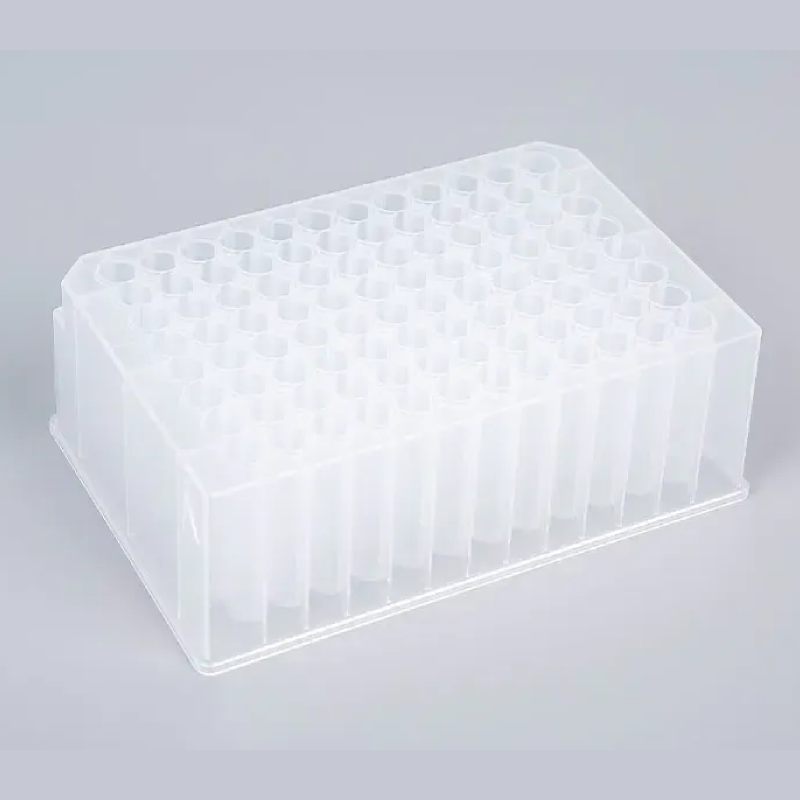
A microtitration plate represents a fundamental laboratory tool designed to streamline chemical analysis and biological testing processes. This specialized equipment consists of a flat plate with multiple small wells, typically arranged in a standardized grid format, enabling researchers to conduct numerous simultaneous experiments efficiently. The microtitration plate facilitates precise liquid handling and accurate measurement of substances in minimal volumes, making it indispensable in modern scientific laboratories.
The primary function of a microtitration plate involves holding small quantities of liquid samples during titration procedures, immunoassays, and enzyme-linked immunosorbent assays (ELISAs). Each well within the microtitration plate provides an isolated chamber where chemical reactions occur under controlled conditions. This design allows scientists to process multiple samples concurrently, significantly reducing analysis time compared to traditional single-sample methods.
Technologically, the microtitration plate incorporates advanced features including uniform well geometry, chemical-resistant materials, and optical clarity for spectrophotometric readings. Modern microtitration plate designs accommodate automated laboratory equipment, enabling high-throughput screening and data collection. The standardized dimensions of a microtitration plate ensure compatibility with robotic pipetting systems, plate readers, and other analytical instruments found in contemporary laboratories.
Applications for microtitration plate technology span pharmaceutical research, clinical diagnostics, food safety testing, and environmental analysis. Researchers utilize microtitration plates for drug discovery, vaccine development, and pathogen detection. The versatility of the microtitration plate makes it essential across academic institutions, hospitals, diagnostic centers, and industrial research facilities worldwide.

 EN
EN