microtiter well
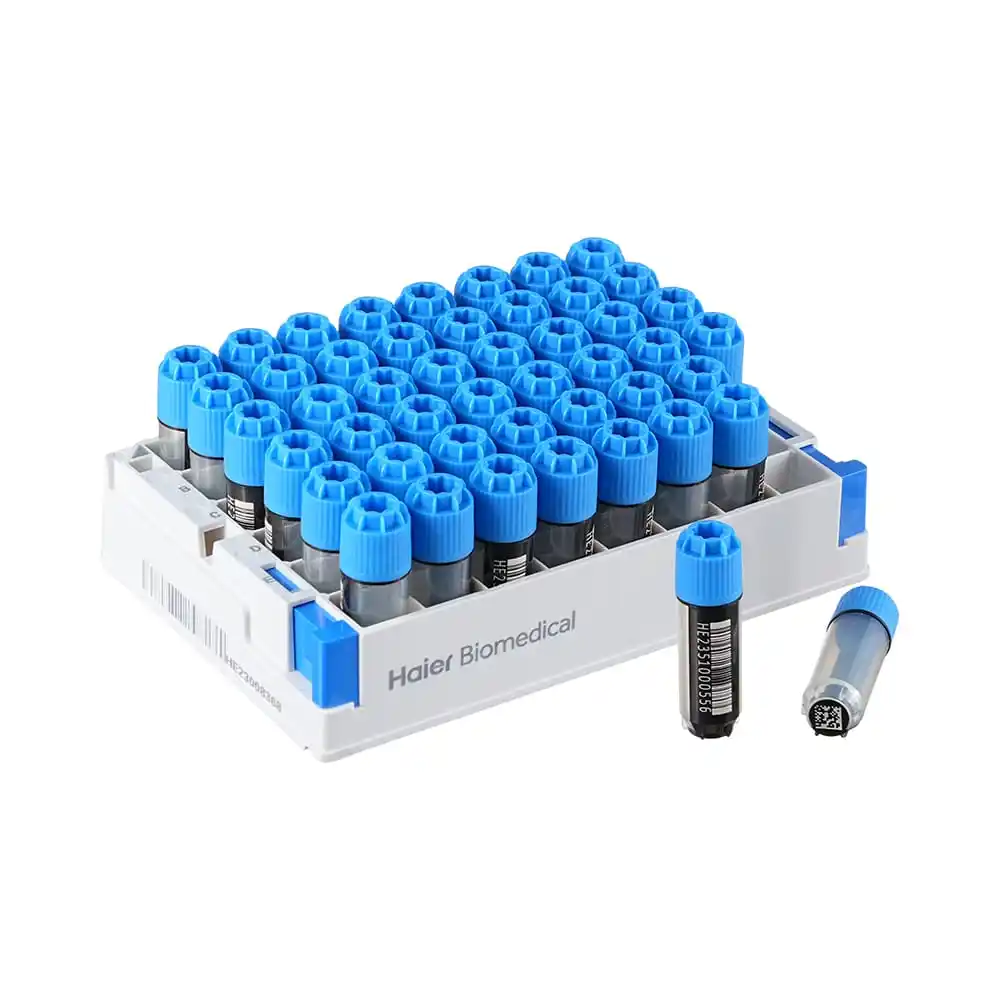
A microtiter well represents a fundamental laboratory tool designed for high-throughput screening and sample analysis. The microtiter well functions as a small container within a standardized plate format, typically containing 96, 384, or 1536 wells arranged in a grid pattern. Each microtiter well holds microliters of liquid, enabling researchers to conduct multiple simultaneous assays efficiently. The primary function of a microtiter well involves storing, mixing, and analyzing biological samples, chemical reagents, or diagnostic materials in parallel processing environments. Technological features of the microtiter well include precise volume capacity specifications, optically clear or opaque materials suited for different detection methods, and standardized dimensional specifications ensuring compatibility with automated laboratory equipment. The microtiter well format accommodates various detection technologies, including colorimetric, fluorescent, and luminescent assays. Applications of the microtiter well span pharmaceutical research, clinical diagnostics, immunological testing, microbiology screening, and drug discovery workflows. Researchers utilize microtiter wells for enzyme-linked immunosorbent assays (ELISA), cell culture studies, genomic testing, and protein analysis. The microtiter well design enables automation integration, reducing manual handling requirements and improving reproducibility. This standardized laboratory platform has become essential across academic institutions, research facilities, hospitals, and industrial laboratories worldwide, supporting diverse scientific investigations and routine diagnostic procedures.

 EN
EN