microwell plate
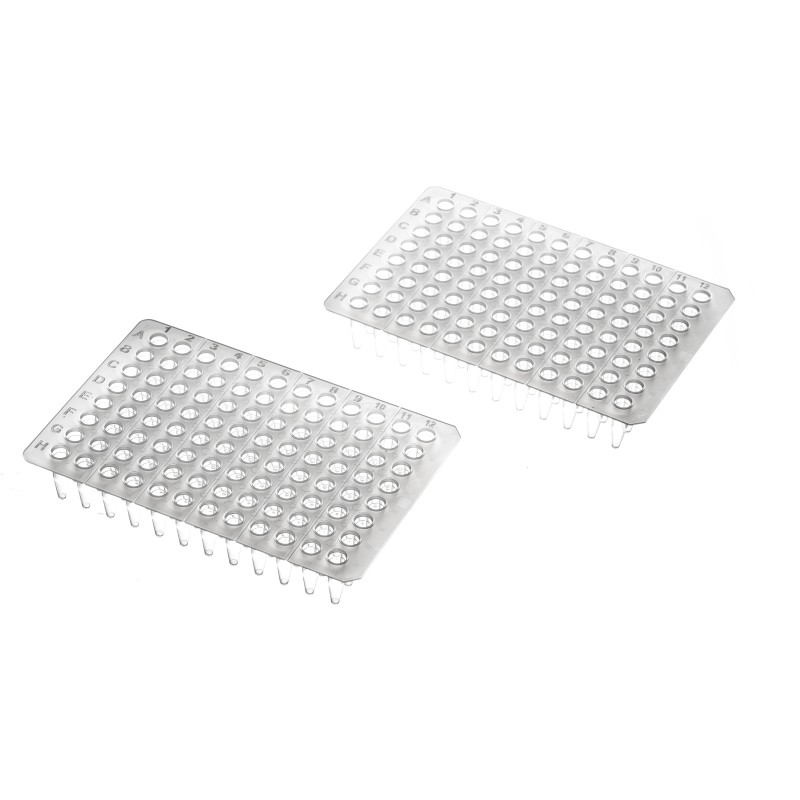
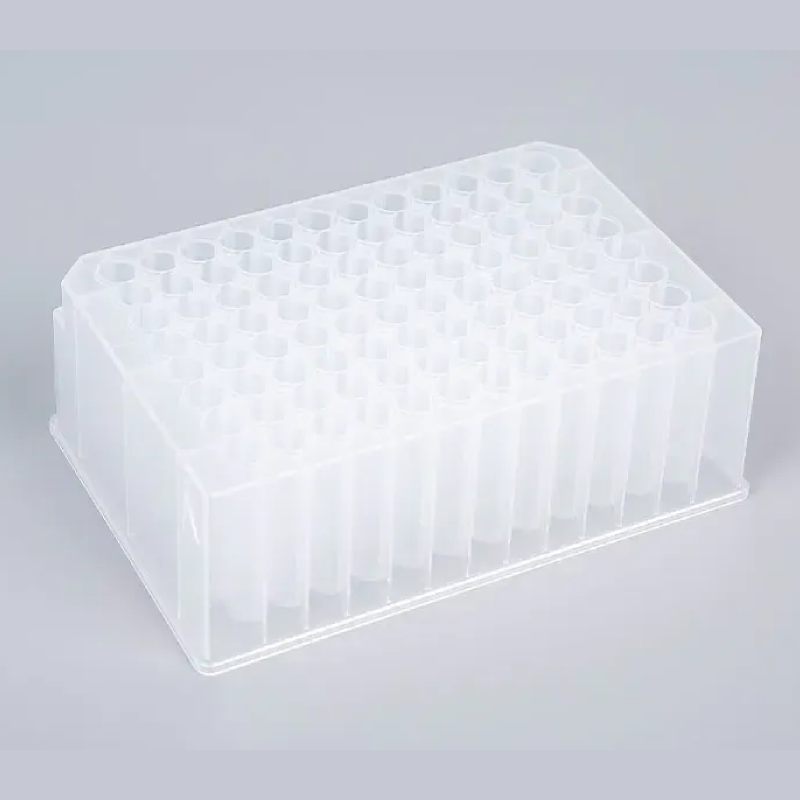
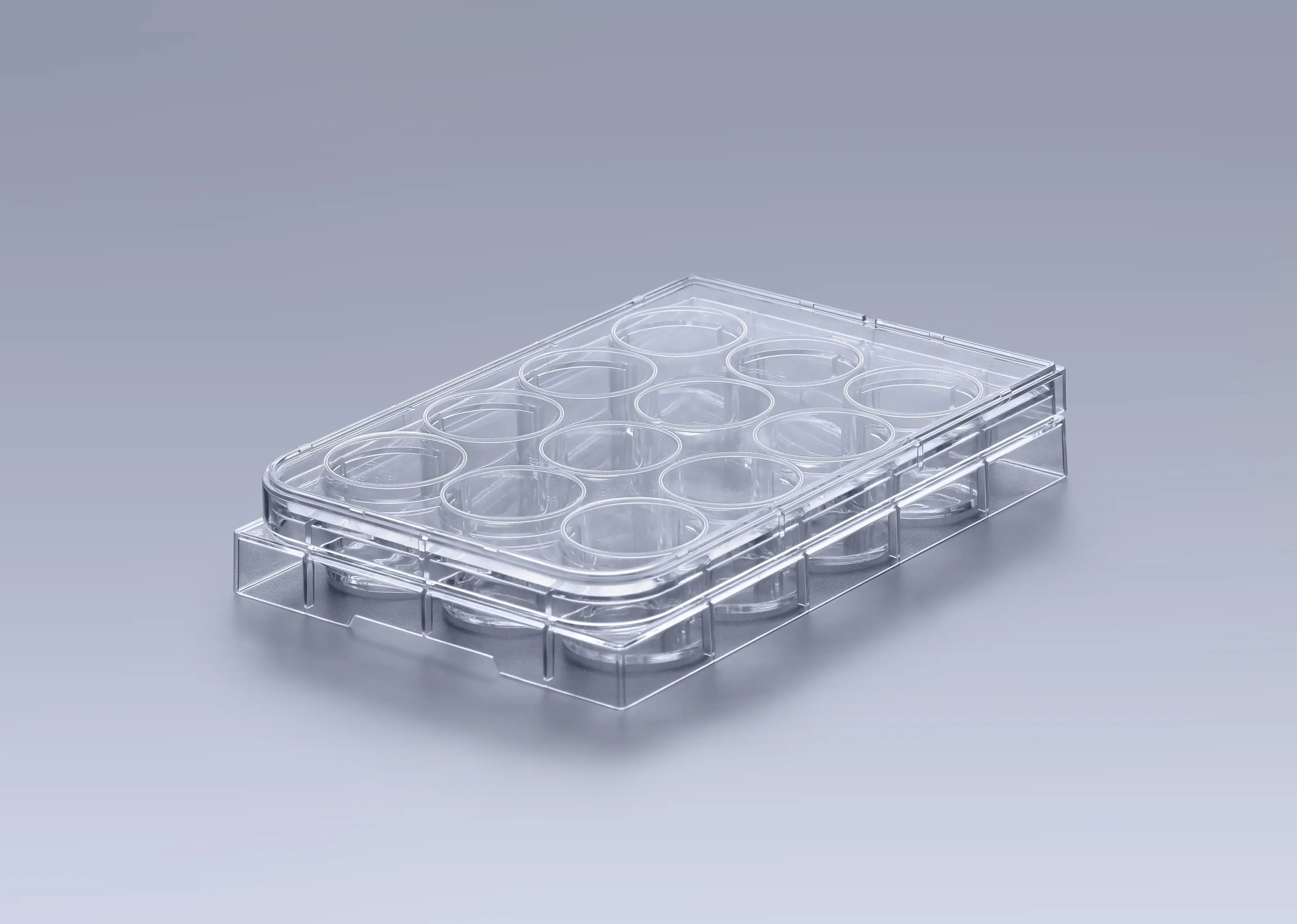
A microwell plate is a laboratory tool designed for conducting multiple simultaneous analyses in compact, organized spaces. This innovative microwell plate system contains numerous small wells arranged in a grid pattern, typically featuring 96, 384, or 1536 wells per microwell plate. Each well functions as an independent reaction chamber, enabling researchers and technicians to perform parallel testing efficiently.
The microwell plate serves as the foundation for high-throughput screening, cell culture, immunoassays, and diagnostic testing. Modern microwell plate designs feature precision-molded cavities with uniform dimensions, ensuring consistent results across all samples. The microwell plate construction utilizes sterile, chemically inert materials that prevent contamination and unwanted reactions.
Key technological features of a microwell plate include specialized coatings for enhanced cell adhesion, transparent or opaque well options for different detection methods, and pre-sterilized formats for immediate use. The microwell plate architecture allows automated liquid handling systems to access and process multiple samples simultaneously, significantly accelerating research and clinical workflows.
Applications for the microwell plate span pharmaceutical development, vaccine production, food safety testing, and environmental monitoring. Laboratories worldwide depend on the microwell plate to standardize procedures, reduce material waste, and maintain accuracy in high-volume testing environments. Whether for academic research or commercial production, the microwell plate remains an indispensable component in modern laboratory operations and bioanalytical science.

 EN
EN