microtiter plate well
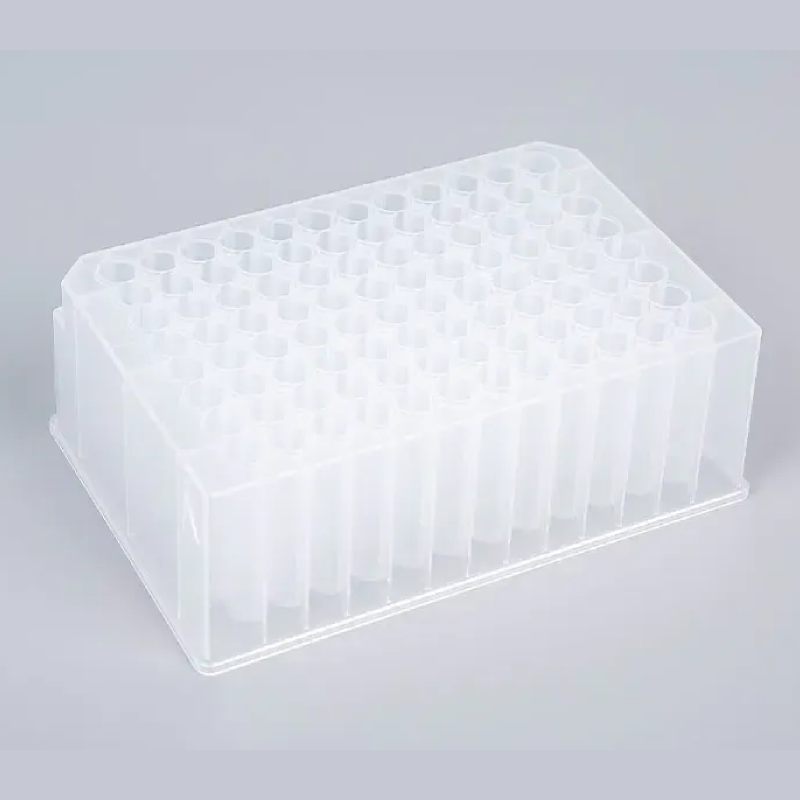
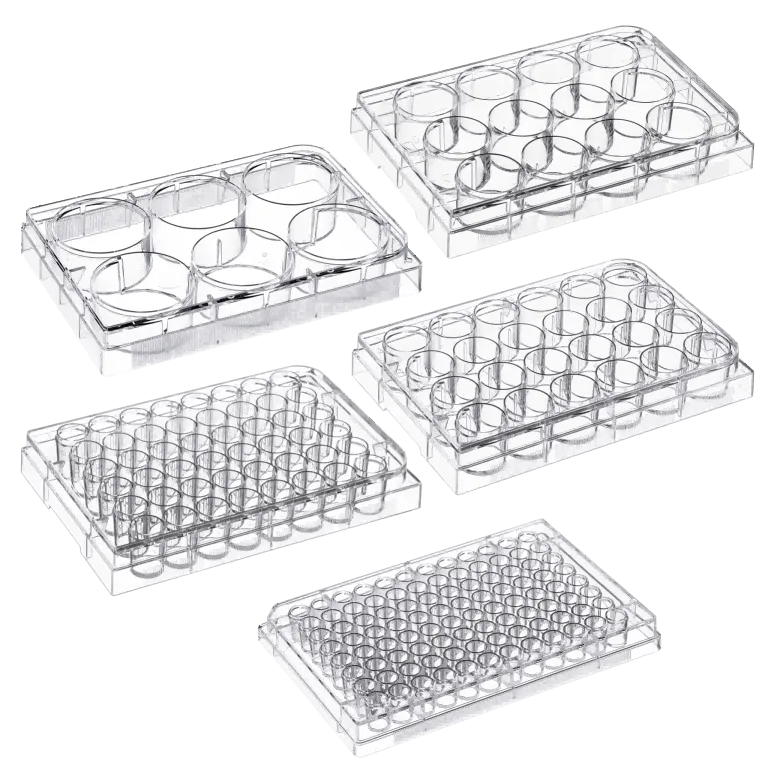
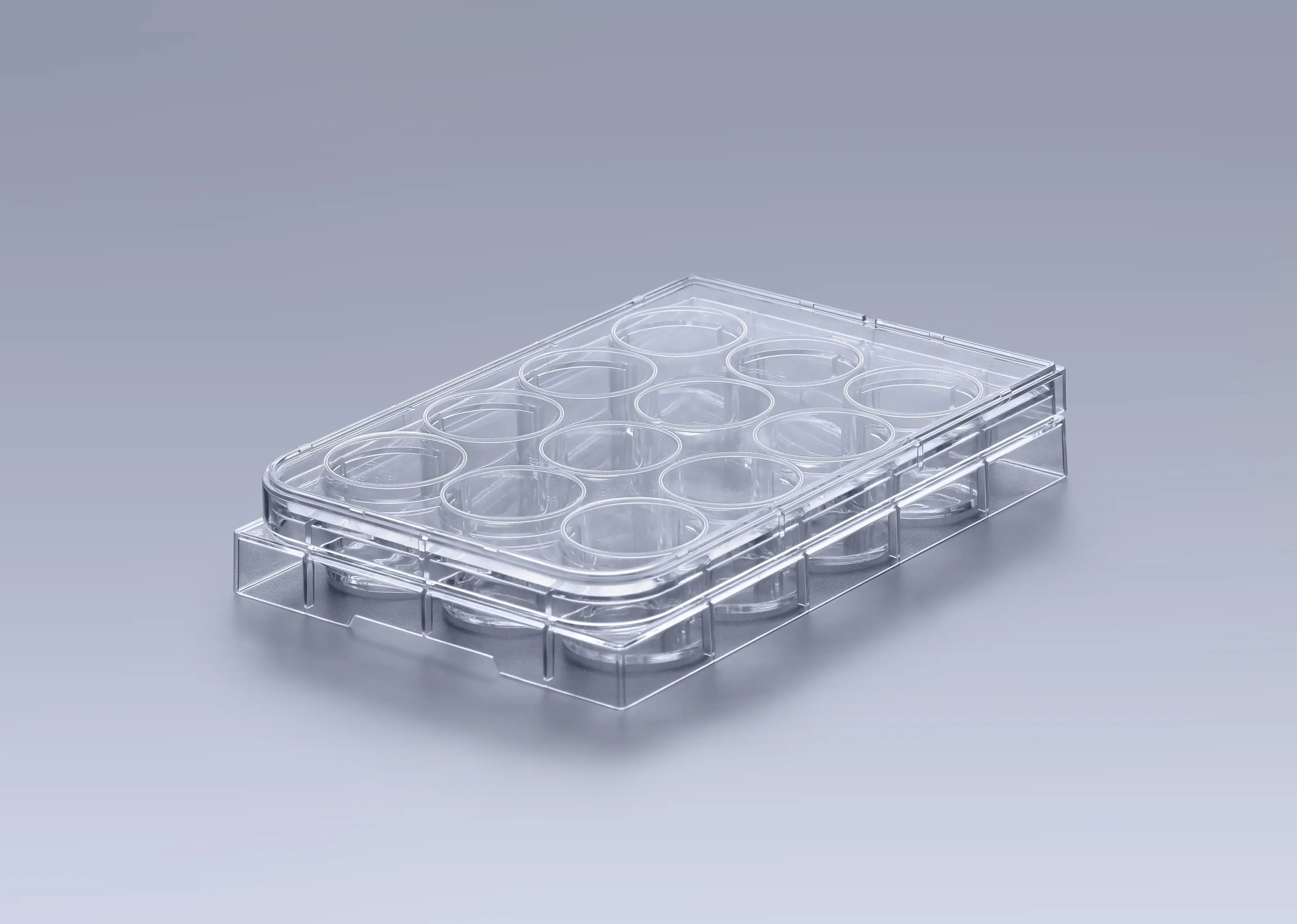
A microtiter plate well represents a fundamental laboratory tool designed for high-throughput screening, analysis, and sample processing. Each microtiter plate well functions as an individual compartment within a standardized plate format, typically containing 96, 384, or 1536 wells arranged in a grid pattern. The microtiter plate well serves as a precise reaction vessel for immunoassays, enzyme-linked immunosorbent assays (ELISA), cell-based assays, and molecular diagnostic procedures.
The technological features of a microtiter plate well include specialized surface coatings that enhance sample adhesion and reduce background interference. Modern microtiter plate well designs incorporate hydrophobic or hydrophilic properties tailored to specific applications, enabling superior sample binding and minimal cross-contamination. The wells feature uniform dimensions and depths, ensuring consistent liquid handling across all positions within the plate.
Microtiter plate well applications span clinical diagnostics, pharmaceutical research, academic research, and food safety testing. These wells accommodate diverse sample types, including serum, plasma, cell suspensions, and chemical solutions. Automated liquid handling systems interact seamlessly with microtiter plate wells, enabling efficient processing of hundreds of samples simultaneously. The standardized design of each microtiter plate well facilitates integration with robotic platforms, spectrophotometers, and fluorescence readers. Researchers and diagnosticians rely on microtiter plate wells for cost-effective, reproducible analytical procedures that deliver reliable results across multiple disciplines and industries.

 EN
EN