flask cell
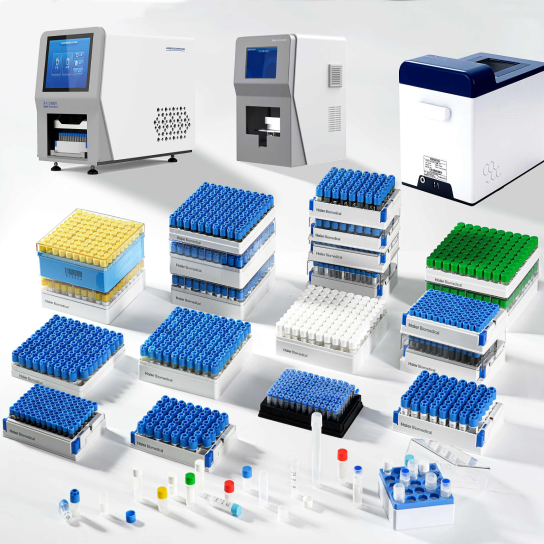
A flask cell represents an innovative laboratory and industrial apparatus designed for precision chemical reactions and biological processes. This specialized flask cell combines advanced engineering with practical functionality to serve researchers, scientists, and industrial professionals across diverse sectors. The flask cell features a robust construction that accommodates various experimental conditions while maintaining chemical stability and accuracy throughout extended operational periods.
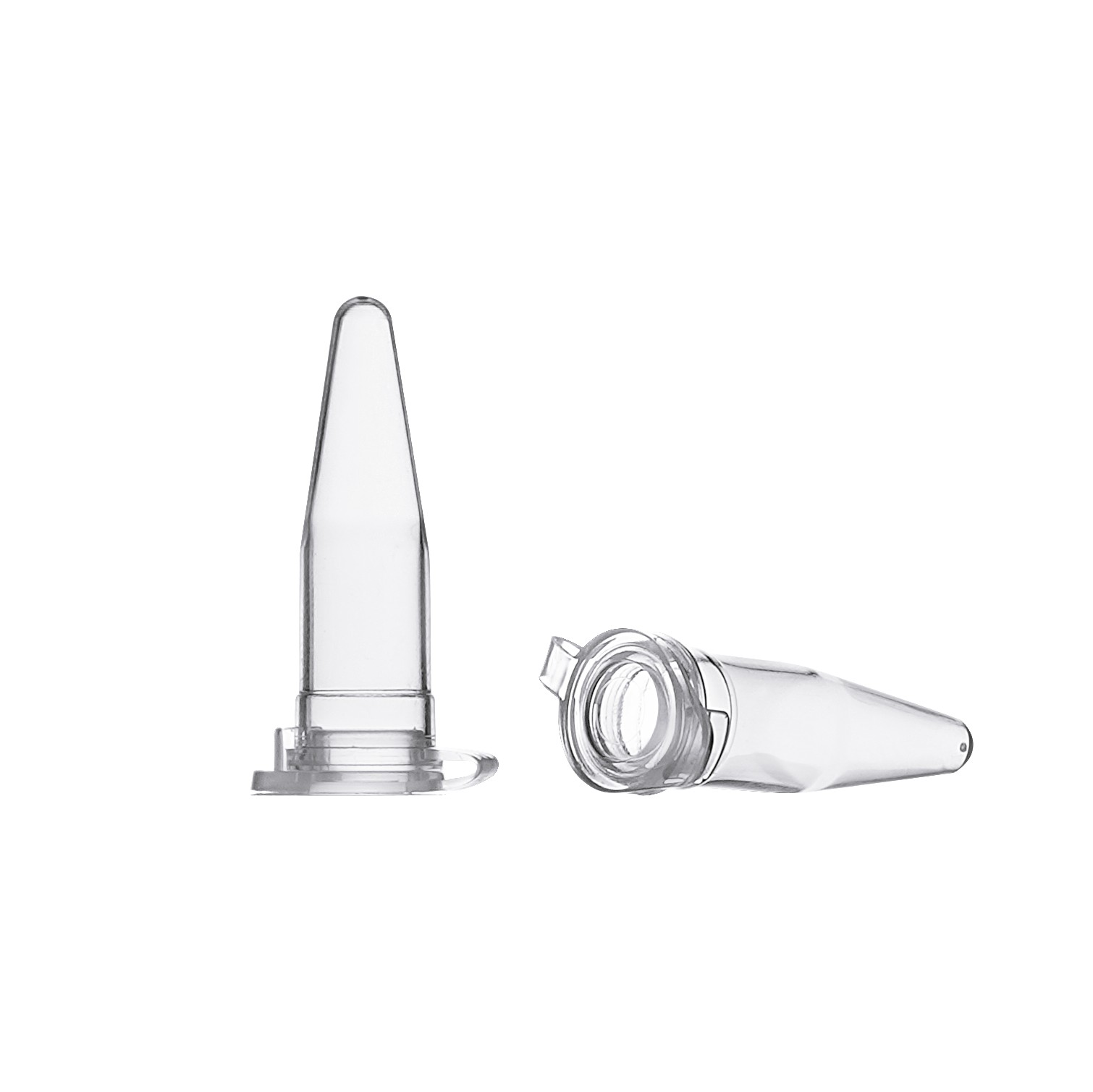
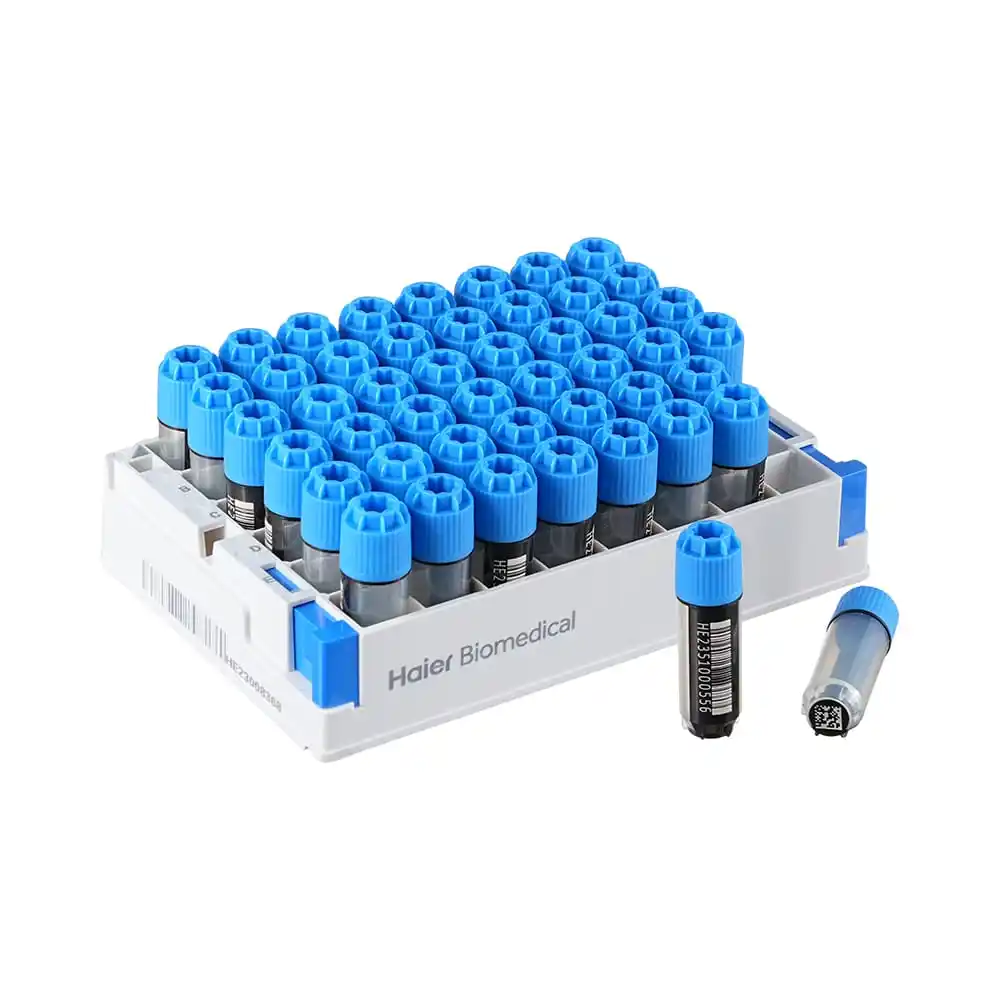
The primary functions of a flask cell include facilitating controlled reactions, enabling temperature regulation, and supporting sample analysis in sterile environments. Modern flask cell technology incorporates multiple chambers, precise volume measurements, and secure sealing mechanisms to prevent contamination and ensure reproducible results. The flask cell design allows researchers to conduct simultaneous experiments, monitor reactions in real-time, and collect data with exceptional accuracy.
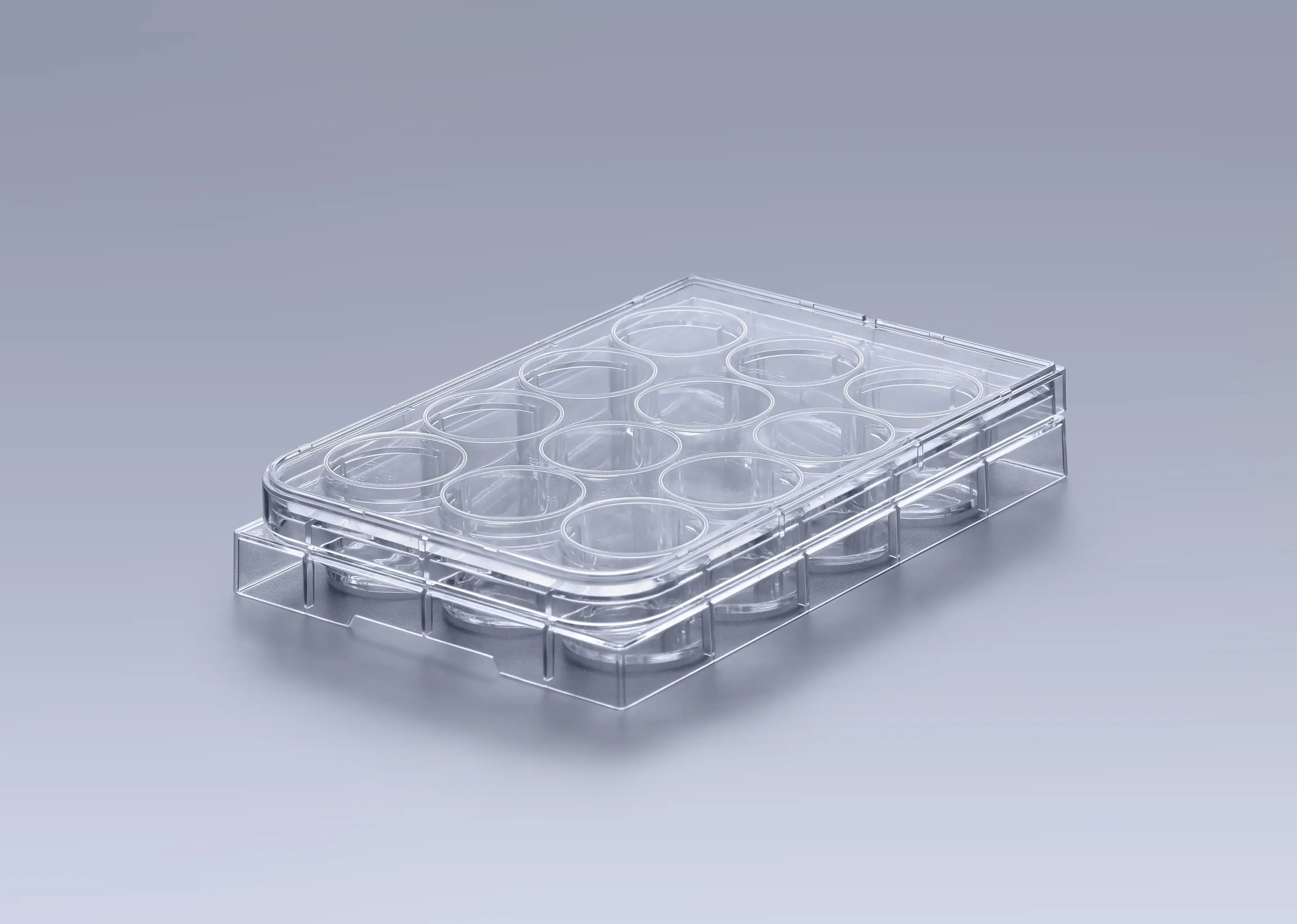
Technological features of the flask cell include graduated markings for precise measurements, autoclavable materials for sterilization, and specialized ports for instrument connectivity. The flask cell integrates thermal regulation systems that maintain stable temperatures during critical reactions, while its transparent construction enables continuous visual monitoring. Advanced flask cell models incorporate digital interfaces for automated data logging and integration with laboratory information management systems.
Applications for the flask cell span pharmaceutical development, microbiology research, environmental testing, and quality control processes. Industries ranging from biotechnology to manufacturing rely on flask cell technology for product formulation, stability testing, and compliance verification. The versatility of the flask cell makes it an essential tool in modern scientific research and production environments.

 EN
EN