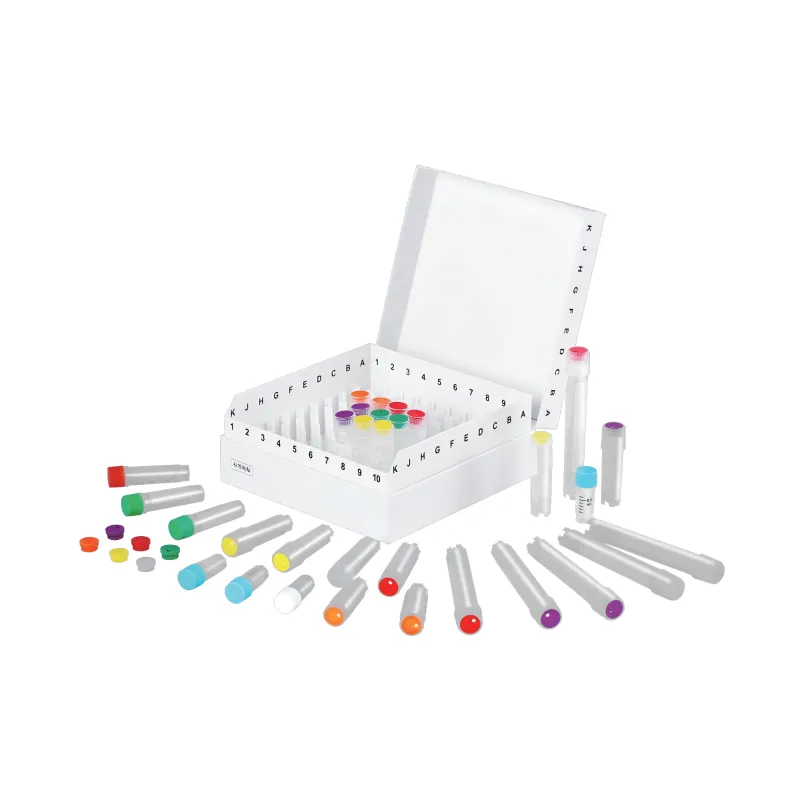
cell culture in flask
Cell culture in flask represents a fundamental methodology in modern biological research and biotechnology applications. This approach involves growing and maintaining living cells within specialized flask containers designed to provide optimal environmental conditions. Cell culture in flask systems enable researchers to cultivate various cell types, including mammalian, plant, and microbial cells, in a controlled laboratory setting.
The primary function of cell culture in flask is to provide a controlled environment where cells can proliferate, differentiate, and maintain their physiological characteristics. These flasks feature technological innovations including vented caps that allow gas exchange while preventing contamination, treated surfaces that promote cell adhesion, and graduated markings for accurate volume measurement. Advanced cell culture in flask designs incorporate ergonomic handling features and compatibility with automated laboratory systems.
Applications of cell culture in flask span numerous scientific disciplines. Pharmaceutical companies utilize cell culture in flask for drug development and testing, while academic researchers employ these systems for fundamental biological studies. Biotechnology firms leverage cell culture in flask technology for vaccine production, protein synthesis, and regenerative medicine research. Additionally, quality control laboratories use cell culture in flask systems to maintain reference cell lines and perform routine assays.
The versatility of cell culture in flask makes it indispensable across research institutions, manufacturing facilities, and clinical laboratories. Whether conducting basic research or producing therapeutic biologics, professionals rely on cell culture in flask systems to achieve consistent, reproducible results in their scientific endeavors.

 EN
EN