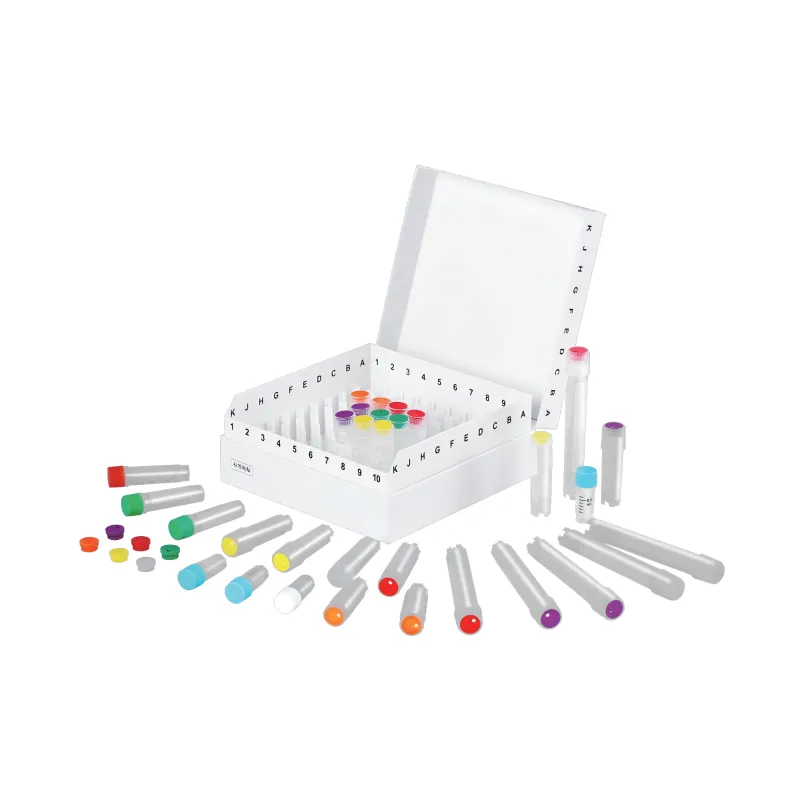
cell culture bottles
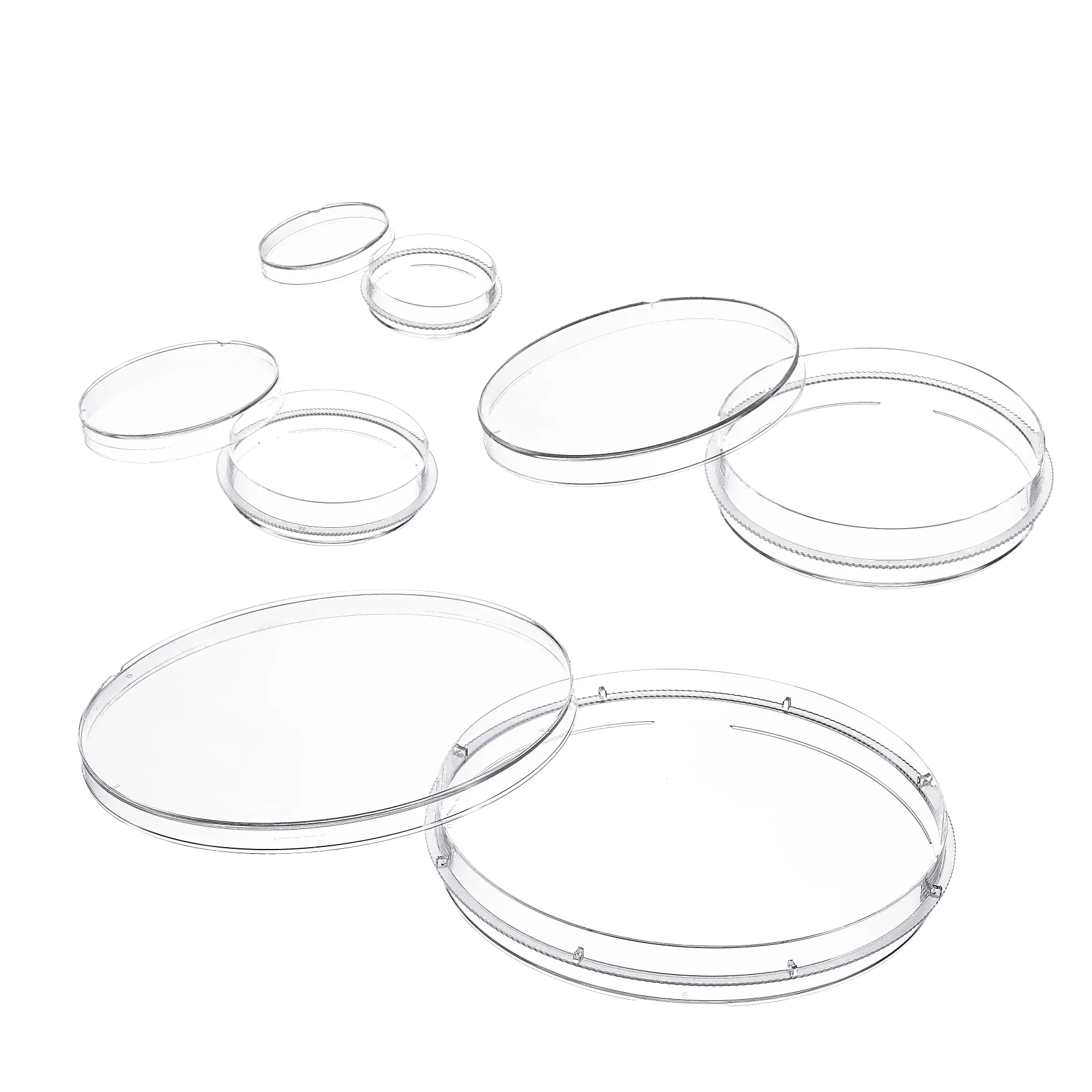
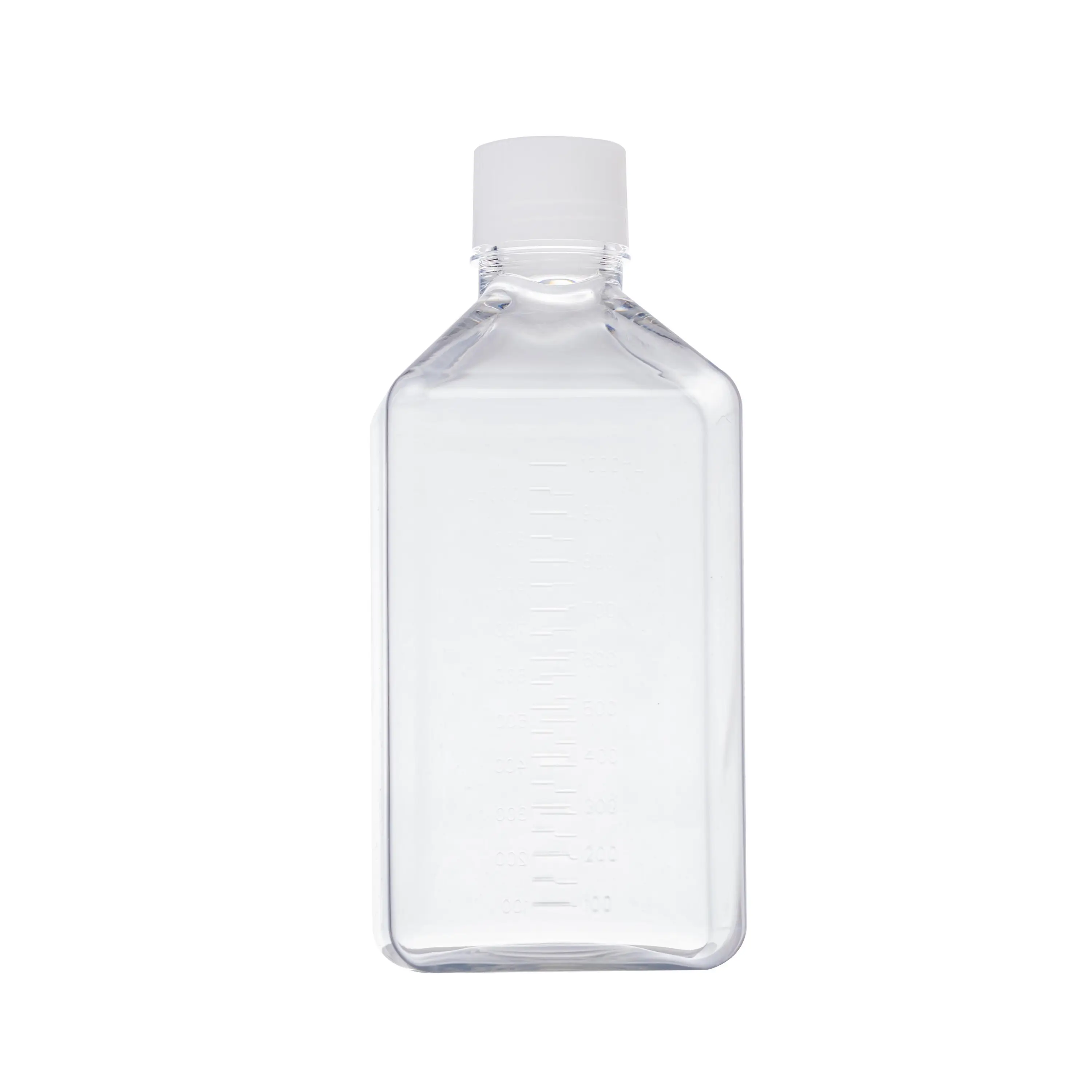
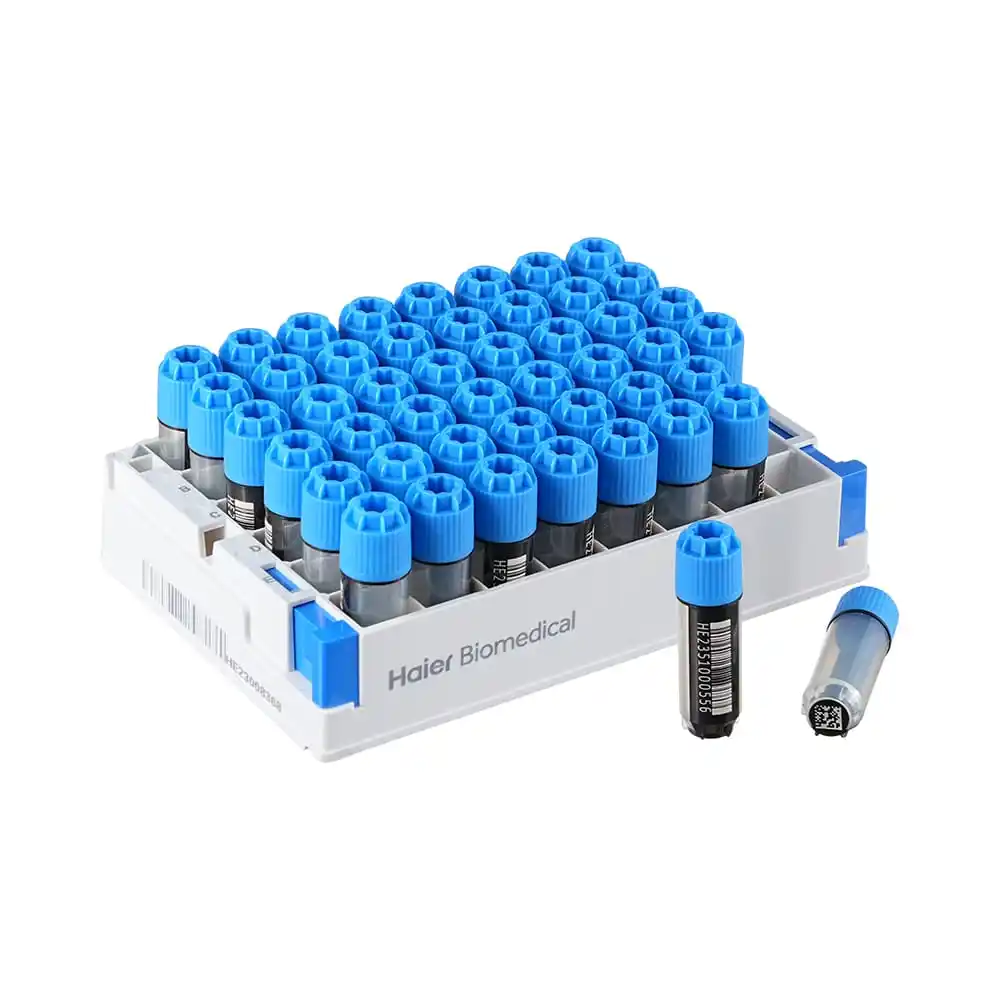
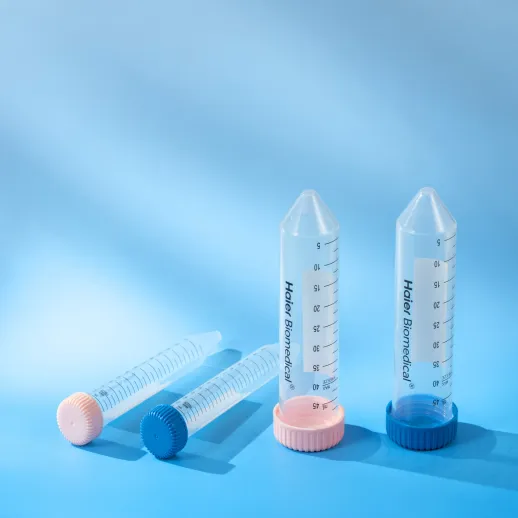
Cell culture bottles are specialized laboratory vessels engineered to provide an optimal environment for growing and maintaining living cells outside the human body. These essential tools in biotechnology, pharmaceutical research, and medical laboratories serve as containers for culturing various cell types, including mammalian cells, bacteria, and fungi. Cell culture bottles feature sterile, controlled compartments that protect cellular environments from contamination while allowing researchers to monitor cell growth and behavior systematically.
The primary function of cell culture bottles is to maintain cells in a stable, nutrient-rich environment that mimics natural physiological conditions. Cell culture bottles come in various sizes, from small volumes for preliminary research to large-scale production containers. Modern cell culture bottles incorporate advanced technological features including treated surfaces that promote cell adhesion, vented caps that facilitate gas exchange while preventing microbial contamination, and graduated measurements for precise volume tracking.
These bottles are manufactured from high-quality polystyrene or borosilicate glass, materials chosen for their chemical inertness and transparency. The design of quality cell culture bottles ensures uniform temperature distribution and minimal shear stress on delicate cell structures. Applications span across drug development, vaccine production, tissue engineering, regenerative medicine, and fundamental biological research. Researchers rely on cell culture bottles to conduct experiments ranging from toxicity testing to therapeutic protein production, making them indispensable laboratory equipment for advancing scientific discoveries.

 EN
EN