flask sizes cell culture
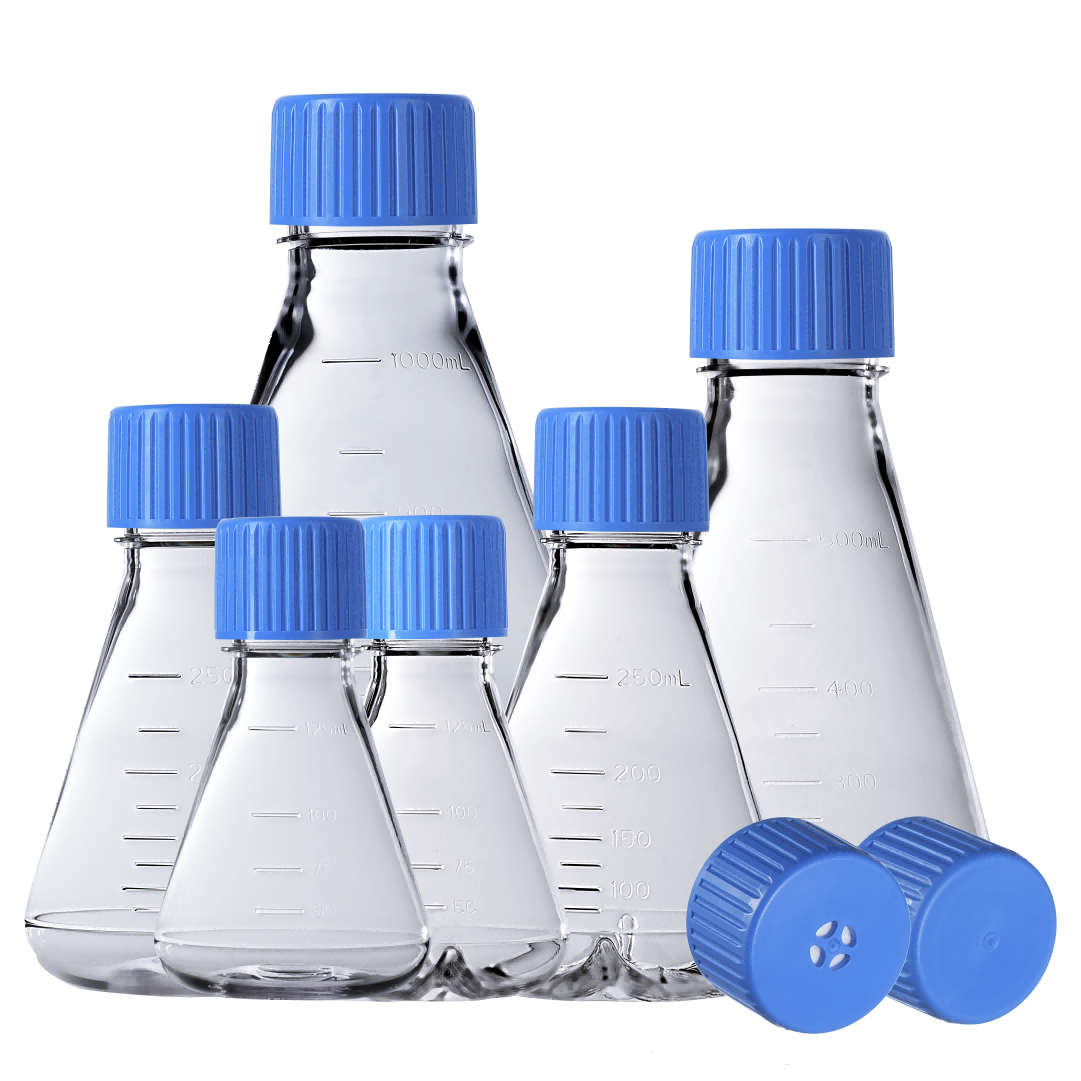
Flask sizes cell culture represents a fundamental laboratory solution for researchers and biotechnology professionals working with cellular specimens. These specialized containers come in various volumes, ranging from small scale to large-scale applications, enabling scientists to cultivate and maintain living cells in controlled environments. Flask sizes cell culture systems provide the essential foundation for cell propagation, tissue engineering, and biopharmaceutical research.
The primary function of flask sizes cell culture vessels involves creating optimal growth conditions for different cell types, including mammalian cells, bacterial cultures, and fungal organisms. Each flask size accommodates specific research needs, from initial screening experiments to industrial-scale production. The containers feature treated surfaces that promote cell adhesion and growth while maintaining sterility throughout the cultivation process.
Technologically, modern flask sizes cell culture containers incorporate advanced surface treatments and gas-permeable designs that facilitate oxygen exchange essential for aerobic cell metabolism. The graduated markings enable precise volume measurement and medium tracking, while the integrated filter caps maintain sterility during prolonged incubation periods. These vessels accommodate automated handling systems and robotic platforms used in high-throughput screening applications.
Applications of flask sizes cell culture span multiple scientific disciplines, including drug development, vaccine production, diagnostic testing, and fundamental biological research. Research institutions depend on properly sized flasks for culturing primary cells, establishing cell lines, and conducting toxicity studies. Pharmaceutical companies utilize various flask sizes cell culture configurations for scaling up production processes from laboratory research through clinical manufacturing stages, making these vessels indispensable in modern biotechnology operations.

 EN
EN