
 EN
EN



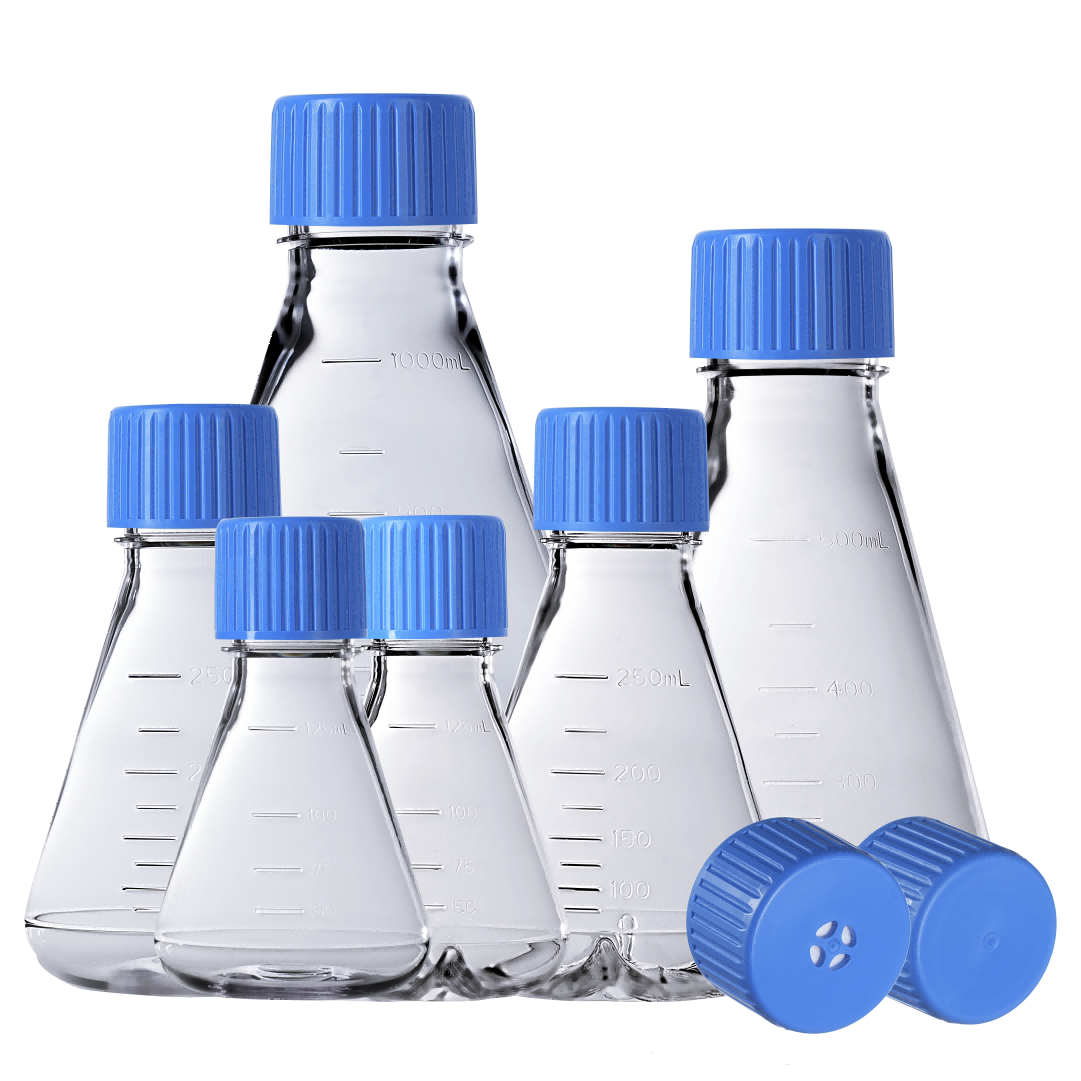
The Erlenmeyer flask is one of the most iconic and practically useful pieces of glassware found in any chemistry or life sciences laboratory. Its distinctive conical body, narrow neck, and flat base make it instantly recognizable, but beyond its familiar silhouette lies a carefully considered design that directly supports how chemical reactions are initiated, controlled, and observed. Understanding how the Erlenmeyer flask functions in a laboratory setting helps researchers, lab managers, and procurement specialists make more informed decisions about which vessels best serve specific experimental needs.
In laboratories ranging from academic research institutions to industrial quality control environments, the Erlenmeyer flask performs a wide variety of functions that extend well beyond simple liquid storage. It plays an active role in mixing reagents, facilitating chemical reactions, culturing microbial suspensions, and supporting titration procedures. This article explores precisely how the geometry, material composition, and practical handling characteristics of the Erlenmeyer flask make it an indispensable tool for chemical reactions and mixing operations in modern laboratories.
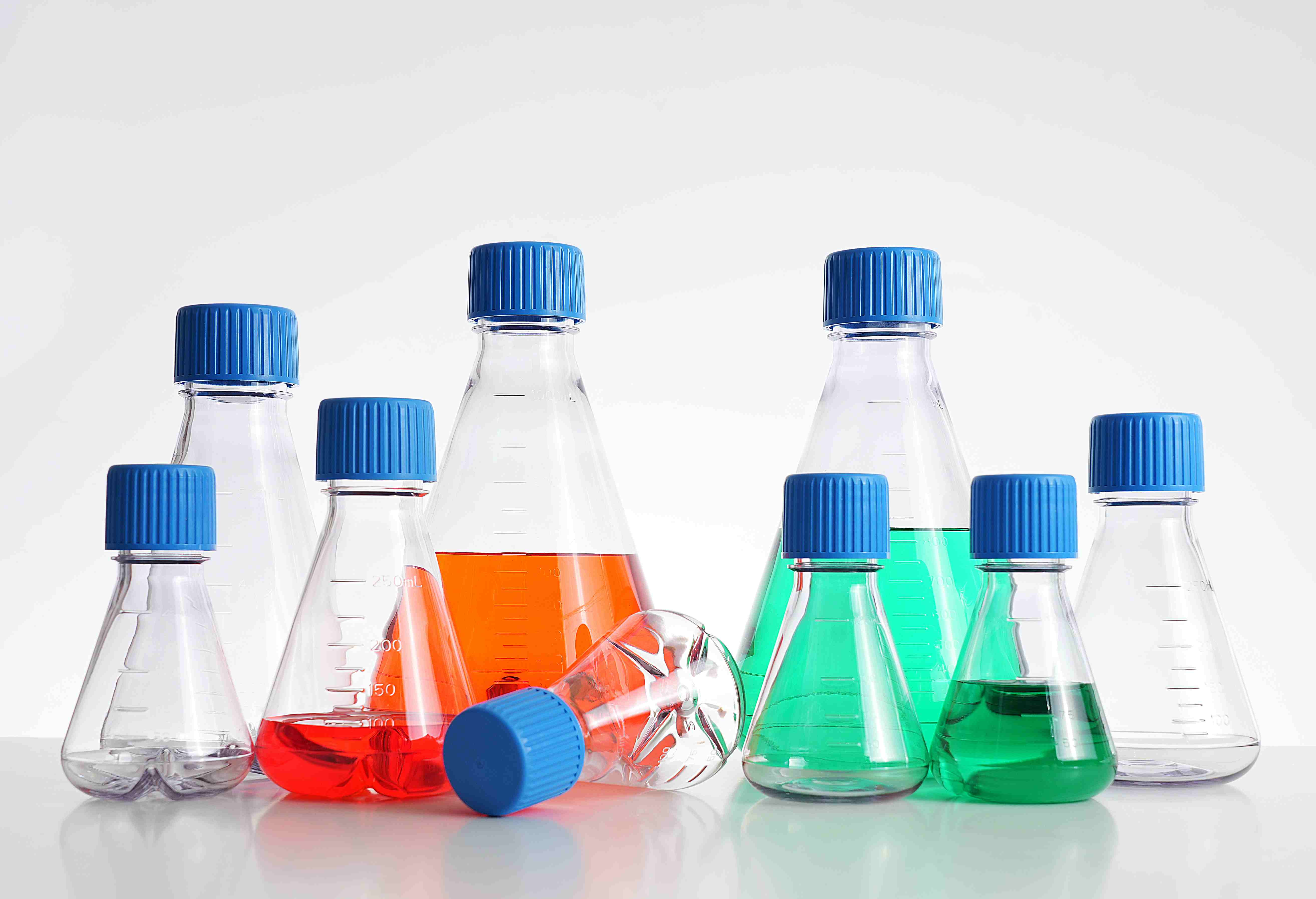
The Structural Design That Enables Better Mixing
Conical Shape and Vortex Formation
The most defining structural feature of an Erlenmeyer flask is its conical body, which widens from the base to a point where it narrows into a cylindrical neck. This geometry is not arbitrary — it is specifically engineered to promote efficient liquid mixing. When a researcher swirls the flask by hand or places it on an orbital shaker, the conical shape encourages the formation of a consistent vortex within the liquid. This swirling motion ensures that reagents come into thorough contact with one another, which is essential for driving chemical reactions to completion.
Unlike a beaker, which has straight vertical walls, the angled sides of an Erlenmeyer flask guide the liquid in a circular motion that minimizes dead zones where unmixed material might accumulate. This is particularly valuable in reactions where complete homogeneity of the mixture is required before the next experimental step can proceed. Even at relatively low swirling speeds, the conical geometry helps maintain an even distribution of solutes and suspended particles throughout the liquid volume.
For microbial culture applications, this mixing efficiency translates into better oxygen transfer and more uniform cell distribution, both of which directly impact the quality and reproducibility of biological experiments. The same principle applies to chemical synthesis workflows, where incomplete mixing can lead to uneven reaction rates or localized hotspots within the mixture.
Narrow Neck as a Control Point
The narrow neck of the Erlenmeyer flask serves multiple critical functions during chemical reactions and mixing. First, it significantly reduces the risk of liquid splashing out during vigorous swirling, making it safer to handle reactive or hazardous solutions. Second, it provides a convenient point for attaching stoppers, closures, or condensers when reactions need to be conducted under controlled atmospheric conditions or when volatile solvents must be contained.
In titration workflows, the narrow neck allows the analyst to swirl the flask vigorously with minimal risk of losing liquid, while the conical body ensures the titrant mixes rapidly with the analyte solution. This combination of containment and efficient mixing is one reason the Erlenmeyer flask became the standard vessel for acid-base and redox titrations in analytical chemistry.
The neck also reduces the surface area exposed to the ambient environment, which helps limit evaporation of volatile components during extended reaction times and reduces contamination from airborne particles. For reactions that are sensitive to moisture or atmospheric gases, the narrow opening makes it straightforward to seal the Erlenmeyer flask with an appropriate stopper without requiring complex apparatus.
Material Composition and Its Role in Reaction Compatibility
Borosilicate Glass Properties
Traditional Erlenmeyer flask designs are crafted from borosilicate glass, a material prized for its low thermal expansion coefficient and excellent chemical resistance. When chemical reactions generate or consume heat, borosilicate glass can withstand rapid temperature changes without cracking or fracturing. This thermal stability is critical in reactions conducted over open flames, on hot plates, or in autoclaves where temperature fluctuations are unavoidable.
The chemical inertness of borosilicate glass means that the Erlenmeyer flask does not leach ions or reactive compounds into the solution under most laboratory conditions. This preserves the integrity of sensitive reactions, particularly those involving trace metal analyses, pH-sensitive biochemical assays, or pharmaceutical synthesis steps where even minute levels of contamination can invalidate results.
However, glass Erlenmeyer flasks have limitations. They are susceptible to breakage, present sharps hazards in the event of fracture, and can be cumbersome to handle in large volumes. These limitations have driven the development and adoption of polymer-based alternatives that retain the geometric advantages of the original design while offering additional practical benefits.
Polymer Alternatives for Modern Lab Demands
Polycarbonate (PC) and polyethylene terephthalate glycol (PETG) materials have become increasingly popular for manufacturing the Erlenmeyer flask, particularly in biotechnology and pharmaceutical settings. PC and PETG flasks offer superior impact resistance compared to glass, which is a significant safety and cost advantage in high-throughput environments where accidental drops are an operational reality.
PETG in particular offers excellent clarity, allowing researchers to visually monitor reactions and mixing behavior without opening the flask. It also provides good chemical resistance to a broad range of aqueous solutions, buffers, and common laboratory reagents. For cell culture and fermentation applications where repeated autoclave sterilization is required, selecting the appropriate polymer material ensures that the Erlenmeyer flask maintains its dimensional stability and seal integrity through multiple sterilization cycles.
PC and PETG flasks also tend to be lighter than their glass equivalents, which reduces operator fatigue during extended mixing procedures and makes transportation within the lab more manageable. When working with larger volumes — such as the 2-liter or 5-liter sizes commonly used in scale-up fermentation studies — the weight advantage of polymer construction becomes practically significant.
How the Erlenmeyer Flask Supports Specific Reaction Types
Titration and Analytical Chemistry
Titration is arguably the most classic application of the Erlenmeyer flask in analytical chemistry. The analyst fills the flask with a precisely measured volume of analyte solution, adds an appropriate indicator, and then introduces the titrant dropwise from a burette positioned above. As the titrant is added, the researcher swirls the Erlenmeyer flask continuously to ensure rapid mixing and uniform indicator color development throughout the solution.
The conical geometry plays a direct role in endpoint detection accuracy. Because the liquid volume is concentrated toward the base where the solution is deepest, color changes from indicators are visually amplified compared to what would be observed in a shallow, wide vessel. This makes it easier to detect the subtle color transitions that mark the equivalence point, reducing titration errors and improving analytical precision.
Quantitative analysis procedures such as back titrations, complexometric titrations, and precipitation titrations all rely on the Erlenmeyer flask for the same core reasons: efficient swirling, minimal splash risk, and good visual access to the reaction mixture. The flat base ensures the flask remains stable on the bench during the process, reducing the likelihood of accidental tipping.
Chemical Synthesis and Reaction Monitoring
In synthetic chemistry, the Erlenmeyer flask is frequently used for small-scale reactions that do not require the reflux capabilities of a round-bottom flask. Dissolution of solids, preparation of reagent solutions, recrystallization procedures, and simple two-component mixing reactions are all routinely performed in an Erlenmeyer flask. The flat base allows direct heating on a hot plate, and the conical walls facilitate swirling during dissolution to accelerate mass transfer.
Recrystallization is one specific synthesis-related procedure where the Erlenmeyer flask excels. The compound is dissolved in a hot solvent inside the flask, and as the mixture cools, crystals form and settle toward the flat base. The conical shape makes it easy to decant the supernatant without disturbing the crystal bed, and the narrow neck reduces solvent evaporation during the cooling phase.
Monitoring reactions visually is straightforward with an Erlenmeyer flask because the clear glass or polymer walls allow color changes, precipitate formation, and gas evolution to be observed in real time without opening the vessel. This non-invasive monitoring capability is valuable for reactions that are sensitive to air or moisture.
Microbial Culture and Fermentation
In microbiology and bioprocess engineering, the Erlenmeyer flask is the standard vessel for shake flask cultivation of bacteria, yeast, fungi, and other microorganisms. When placed on an orbital shaker, the conical body promotes excellent gas-liquid mass transfer by creating efficient liquid motion that continuously renews the liquid surface exposed to the headspace gas. This oxygenation mechanism is critical for aerobic fermentation processes where dissolved oxygen supply directly governs cell growth rates.
The relationship between flask fill volume and mixing efficiency is an important operational parameter in shake flask culture. Standard practice recommends filling an Erlenmeyer flask to no more than 20–25% of its nominal volume to ensure adequate headspace for oxygen transfer and to allow vigorous mixing without liquid reaching the stopper or vent. Getting this balance right directly impacts the consistency and scalability of fermentation results.
Baffled versions of the Erlenmeyer flask, which incorporate indentations molded into the conical walls, provide even greater mixing intensity and oxygen transfer compared to smooth-walled designs. These baffles disrupt the circular liquid flow pattern and introduce turbulence that improves mixing efficiency at a given shaker speed, making them particularly useful when cultivating organisms with high oxygen demand.
Handling, Closure, and Contamination Control
Stopper and Closure Options
The narrow neck of the Erlenmeyer flask is designed to accept a standardized range of stoppers, closures, and foam plugs. Rubber stoppers are commonly used when reactions need to be sealed against air ingress or when gas-tight connections to downstream apparatus are required. Foam plugs and vented screw caps are preferred in microbiology applications where gas exchange must be maintained while preventing contamination from the environment.
For autoclave sterilization, loosened screw caps or foil covers are used to allow pressure equalization during the sterilization cycle while maintaining sterility after cooling. The thermal resistance of appropriate polymer materials — particularly PC and PETG — ensures that the Erlenmeyer flask retains its shape and thread integrity through the sterilization process, which is essential for maintaining reliable seal performance over multiple use cycles.
In chemical synthesis contexts, ground glass joints can be attached to the neck of glass Erlenmeyer flask variants to allow connection to condensers, addition funnels, or gas lines. This adaptability makes the standard conical flask shape a versatile foundation for constructing more complex reaction apparatus when the situation demands it.
Cleaning and Cross-Contamination Prevention
Proper cleaning of the Erlenmeyer flask after each use is essential to prevent cross-contamination between experiments. The wide base and tapered walls allow brush cleaning to reach all interior surfaces, and the flat bottom does not trap residues in the way that rounded vessels sometimes do. Automated laboratory glassware washers can accommodate standard Erlenmeyer flask sizes, making high-throughput cleaning practical in busy laboratory environments.
For reactions involving radioactive materials, cytotoxic compounds, or highly reactive chemicals, single-use polymer Erlenmeyer flask options provide a contamination-free starting point for each experiment and eliminate the risk of residual contamination from inadequate cleaning. The availability of pre-sterilized, single-use versions has expanded the practical applications of the conical flask design in pharmaceutical manufacturing and clinical research settings.
Graduated volume markings on the exterior of most Erlenmeyer flask designs allow approximate volume measurements during preparation, reducing the need for additional volumetric glassware in routine mixing and reaction setup procedures. While these graduations are not of analytical accuracy, they provide sufficient precision for preparatory steps that do not require exact volumetric control.
FAQ
What is the main advantage of using an Erlenmeyer flask over a beaker for mixing reactions?
The primary advantage of the Erlenmeyer flask over a beaker lies in its conical geometry and narrow neck. The angled walls promote the formation of a consistent swirling vortex when the flask is manually or mechanically agitated, which improves mixing efficiency compared to the straight-walled beaker. The narrow neck also significantly reduces splash risk during vigorous mixing and limits evaporation and contamination from the ambient environment, both of which are important considerations in chemical reactions and analytical procedures.
Can an Erlenmeyer flask be used directly on a hot plate for heating reactions?
Yes, a glass Erlenmeyer flask with a flat base is suitable for direct heating on a hot plate with appropriate precautions. Borosilicate glass construction provides sufficient thermal shock resistance for most routine heating applications. However, it is important to use a wire gauze or ceramic mat between the flask and an open flame to distribute heat evenly. Polymer Erlenmeyer flasks made from PC or PETG should not be heated on hot plates or open flames unless the manufacturer explicitly confirms temperature compatibility, as these materials have lower heat resistance than borosilicate glass.
What fill volume is recommended when using an Erlenmeyer flask on an orbital shaker for microbial culture?
The generally accepted guideline for shake flask cultivation is to fill the Erlenmeyer flask to between 20% and 25% of its total nominal volume. For example, a 500 mL Erlenmeyer flask would typically contain 100 to 125 mL of culture medium. This fill level ensures adequate headspace for oxygen transfer between the gas phase and the liquid, and allows the liquid to move freely during orbital shaking without reaching the stopper or vent closure. Overfilling significantly reduces oxygen transfer efficiency and can lead to poor cell growth and inconsistent fermentation results.
What is the difference between a standard Erlenmeyer flask and a baffled Erlenmeyer flask?
A standard Erlenmeyer flask has smooth conical walls that promote circular liquid motion during orbital shaking, which provides moderate mixing and oxygen transfer. A baffled Erlenmeyer flask incorporates molded indentations or protrusions on the interior walls that interrupt the circular flow pattern and introduce turbulence into the liquid. This turbulence significantly increases the volumetric oxygen transfer coefficient compared to a smooth-walled design at the same shaker speed, making baffled flasks particularly suitable for cultivating fast-growing microorganisms or aerobic cultures with high oxygen demand. The choice between the two depends on the oxygen requirements of the specific culture or reaction being conducted.
Table of Contents
- The Structural Design That Enables Better Mixing
- Material Composition and Its Role in Reaction Compatibility
- How the Erlenmeyer Flask Supports Specific Reaction Types
- Handling, Closure, and Contamination Control
-
FAQ
- What is the main advantage of using an Erlenmeyer flask over a beaker for mixing reactions?
- Can an Erlenmeyer flask be used directly on a hot plate for heating reactions?
- What fill volume is recommended when using an Erlenmeyer flask on an orbital shaker for microbial culture?
- What is the difference between a standard Erlenmeyer flask and a baffled Erlenmeyer flask?