Tissue Culture Flask Sizes Guide

Get a Free Quote

Our representative will contact you soon.
Email
Name
Company Name
Message
0/1000

tissue culture flask sizes

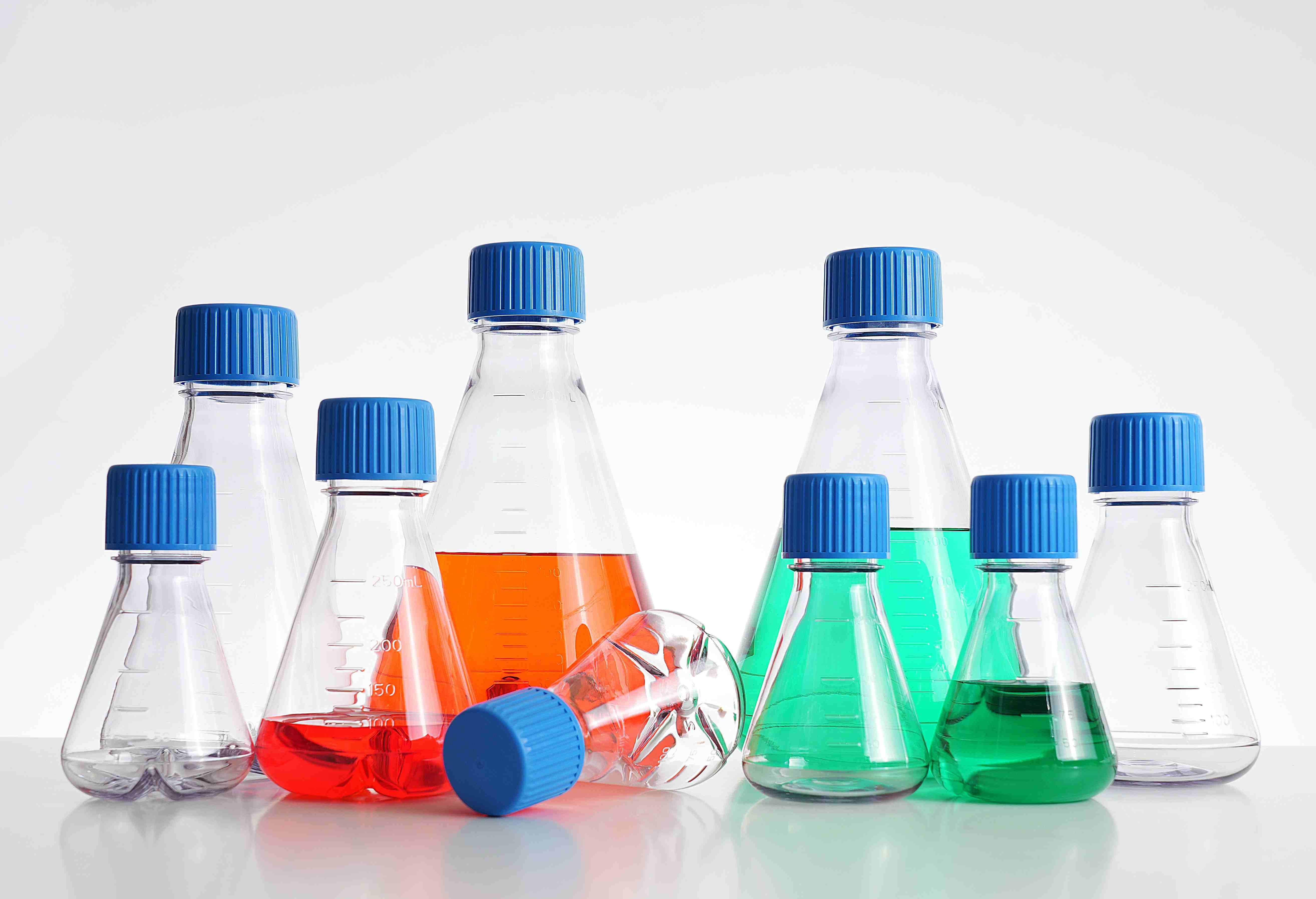
Tissue culture flask sizes represent essential laboratory vessels designed to support cell growth and proliferation in controlled environments. These specialized containers come in various dimensions, ranging from small 25 cm² flasks to larger 225 cm² formats, accommodating diverse research and production needs. Understanding tissue culture flask sizes is crucial for laboratory professionals seeking optimal cell cultivation outcomes. Tissue culture flask sizes function as sterile environments where cells attach, grow, and multiply under regulated conditions. The primary function involves providing adequate surface area for cell adhesion while maintaining proper gas exchange and nutrient distribution. Different tissue culture flask sizes feature vented caps that facilitate oxygen circulation while preventing contamination, essential for maintaining cell viability. Technologically, modern tissue culture flask sizes incorporate treated polystyrene surfaces that promote cell attachment and growth. The design includes graduated volume markings for accurate medium measurement and easy handling features such as ergonomic grips and smooth edges. Tissue culture flask sizes are manufactured using pharmaceutical-grade materials ensuring sterility and chemical compatibility. Applications for tissue culture flask sizes span research, pharmaceuticals, and biotechnology sectors. Scientists use these vessels for cell line maintenance, vaccine development, and therapeutic protein production. Smaller tissue culture flask sizes suit exploratory research, while larger formats serve commercial-scale production. The versatility of tissue culture flask sizes makes them indispensable in modern biological laboratories and manufacturing facilities worldwide.

New Product Releases

Choosing appropriate tissue culture flask sizes delivers significant operational benefits for research and production environments. The primary advantage involves size flexibility—tissue culture flask sizes allow researchers to scale experiments from preliminary studies to large-scale production seamlessly. This scalability enables efficient resource allocation and cost optimization throughout project development stages. Tissue culture flask sizes provide practical operational benefits through standardized design and compatibility. Workers can quickly transition between different flask sizes without requiring equipment modifications or extensive training. The uniform interface and consistent threading mechanisms ensure seamless integration within existing laboratory workflows and incubation systems. Another substantial advantage involves surface area optimization. Different tissue culture flask sizes deliver varying growth surfaces, enabling scientists to maximize cell yield relative to culture volume. Smaller tissue culture flask sizes conserve expensive reagents and growth media during initial research phases, while larger formats support efficient commercial production runs. The application suitability of tissue culture flask sizes extends across multiple biological disciplines. Researchers cultivating monolayer cells, suspension cultures, and three-dimensional tissue constructs all benefit from appropriate size selection. Tissue culture flask sizes accommodate diverse cell types, including mammalian cells, insect cells, and plant cells. Decision-useful product context reveals that tissue culture flask sizes directly impact project timelines and budgets. Selecting suitable sizes reduces culture failures, minimizes waste, and accelerates development cycles. Organizations leveraging appropriate tissue culture flask sizes achieve faster time-to-market for biological products while maintaining consistent quality standards and regulatory compliance throughout production processes.

Practical Tips

Why Erlenmeyer Flasks Are Widely Used In Cell Suspension Cultures

15

May

Why Erlenmeyer Flasks Are Widely Used In Cell Suspension Cultures

In modern cell biology and biopharmaceutical research, the choice of culture vessel profoundly impacts cell viability, growth consistency, and experimental reproducibility. Among the many options available in laboratory settings, the Erlenmeyer flask...
View More
How Can Serum Bottles Ensure Safe Storage of Biological Samples

03

Jun

How Can Serum Bottles Ensure Safe Storage of Biological Samples

When working with biological samples in laboratory, clinical, or research environments, the choice of storage container is never trivial. serum bottles have become a trusted solution across a wide range of life science applications, offering a combin...
View More
Proper Sealing And Handling Tips For Serum Bottles

03

Jun

Proper Sealing And Handling Tips For Serum Bottles

Whether you work in a clinical laboratory, a pharmaceutical production environment, or a research facility, the way you seal and handle serum bottles directly affects the integrity of the samples inside. Improper sealing introduces contamination risk...
View More
How To Choose Freezer Racks For Cryovials And Microtubes

16

Jul

How To Choose Freezer Racks For Cryovials And Microtubes

Selecting the right freezer racks for cryovials and microtubes is one of the most practical decisions a laboratory team makes when setting up or expanding cold storage. Freezer racks determine how efficiently samples are organized, how easily they ar...
View More

Get a Free Quote

Our representative will contact you soon.
Email
Name
Company Name
Message
0/1000

tissue culture flask sizes

Versatile Size Range for Every Research Stage

Versatile Size Range for Every Research Stage

Tissue culture flask sizes encompass a comprehensive range addressing every laboratory requirement from initial discovery through commercial manufacturing. The selection spans small 25 cm² formats perfect for preliminary screening to expansive 225 cm² vessels supporting large-volume production. This extensive range of tissue culture flask sizes eliminates the need for multiple supplier relationships or complicated conversion processes. Researchers benefit from seamless progression through development stages using standardized tissue culture flask sizes. Scientists can maintain consistent protocols while scaling from exploratory work to pilot production without extensive methodology adjustments. The availability of intermediate tissue culture flask sizes, including 75 cm² and 175 cm² options, provides precise matching between experimental requirements and vessel capacity. This versatility maximizes laboratory efficiency by ensuring optimal resource utilization at each research phase. Tissue culture flask sizes eliminate over-production waste during early-stage research while preventing capacity constraints during scaled operations. Organizations streamline procurement processes by standardizing on compatible tissue culture flask sizes across departments, reducing inventory complexity and associated storage costs.
Superior Gas Exchange and Sterile Environment Design

Superior Gas Exchange and Sterile Environment Design

Modern tissue culture flask sizes incorporate advanced venting systems that maintain optimal oxygen availability while preventing microbial contamination. The specialized vented caps integrated into tissue culture flask sizes enable continuous gas exchange, essential for maintaining cell viability during extended culture periods. This design innovation represents a critical advancement over traditional sealed containers that compromise cell health through oxygen depletion. The sterile environment maintained by tissue culture flask sizes protects valuable cell cultures from environmental contaminants. Pharmaceutical-grade polystyrene construction combined with precise manufacturing processes ensures each flask in the tissue culture flask sizes selection meets stringent sterility standards. The filtered venting system allows air circulation without compromising aseptic conditions. Practical benefits emerge through reduced culture failures and extended viability periods. Cells cultivated in properly designed tissue culture flask sizes demonstrate improved growth rates and consistent behavior compared to suboptimal containers. Scientists appreciate the reliability of tissue culture flask sizes, knowing that environmental factors remain controlled throughout extended culture periods, supporting reproducible experimental results.
Cost-Effective Scalability and Production Efficiency

Cost-Effective Scalability and Production Efficiency

Tissue culture flask sizes deliver substantial economic advantages through intelligent scalability without proportional cost increases. Organizations transitioning from small research flasks to larger tissue culture flask sizes achieve dramatic efficiency gains in reagent consumption per cultured cell. This economic advantage becomes particularly significant during commercial manufacturing where volume-based pricing substantially reduces overall production expenses. The standardized design of tissue culture flask sizes enables rapid adaptation across production facilities without expensive equipment modifications. Workers can efficiently manage multiple tissue culture flask sizes within existing incubators and handling equipment, minimizing capital investment requirements. This operational flexibility allows organizations to adjust production capacity responsively based on market demand. Tissue culture flask sizes optimize resource allocation through precise volume matching with biological requirements. Researchers avoid purchasing excessive media for oversized vessels or experiencing capacity limitations with undersized flasks. The comprehensive range of tissue culture flask sizes ensures cost-effective utilization of expensive growth media, specialized additives, and therapeutic reagents throughout both research and manufacturing operations.

Get a Free Quote

Our representative will contact you soon.
Email
Name
Company Name
Message
0/1000