Advanced Dish Cell Culture Systems: Innovative Solutions for Cellular Research and Development

Get a Free Quote

Our representative will contact you soon.
Email
Name
Company Name
Message
0/1000

dish cell culture

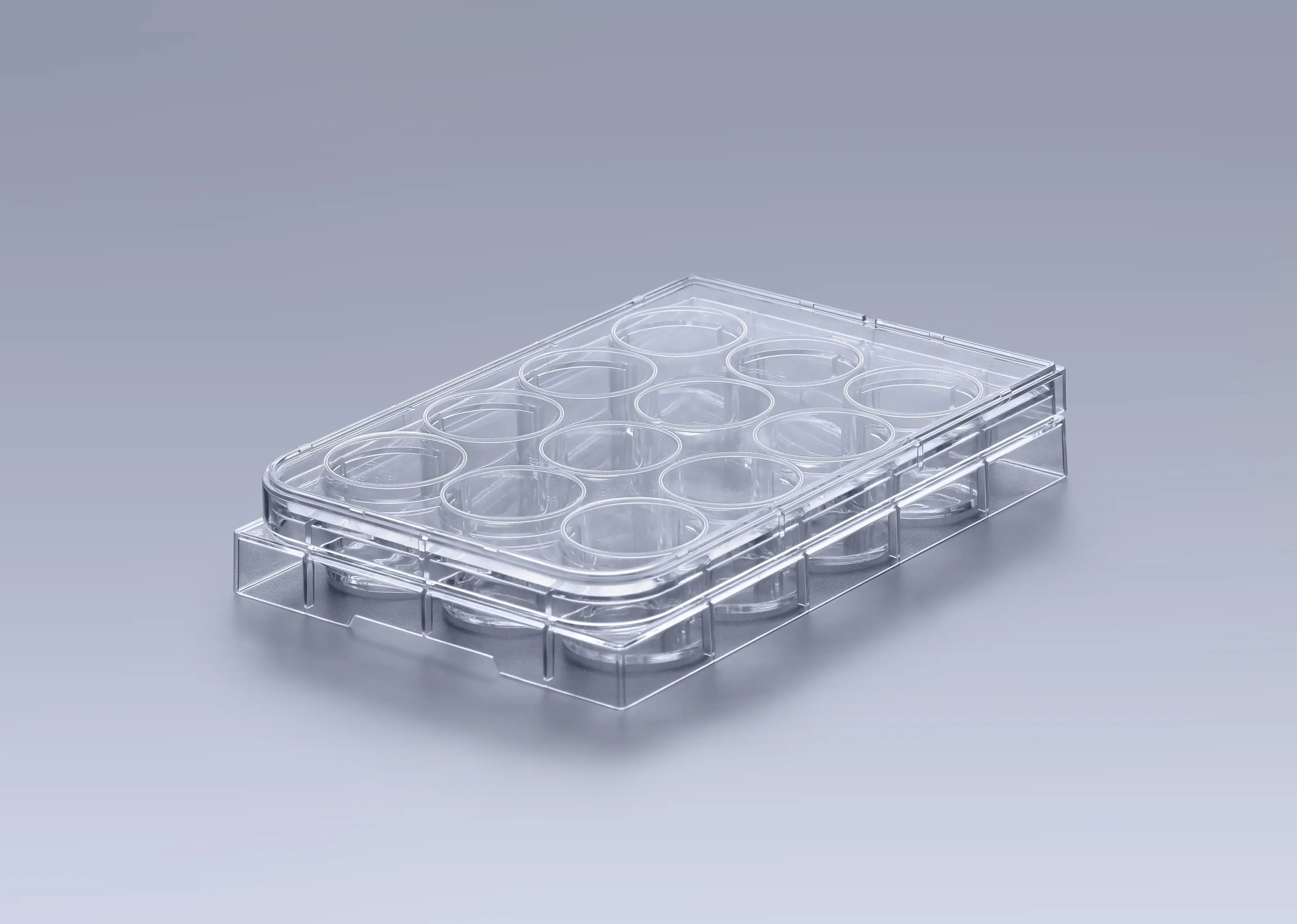
Dish cell culture represents a fundamental technique in modern biological research and biotechnology, serving as a controlled environment for growing and maintaining cells outside their natural habitat. This method utilizes specialized culture dishes designed with optimal surface properties and materials that promote cell adhesion and growth. The dishes are typically made from tissue-culture-treated polystyrene, which provides an ideal surface for cell attachment and proliferation. These vessels incorporate advanced features such as proper gas exchange capabilities, contamination prevention measures, and optical clarity for microscopic observation. The technology enables researchers to maintain precise control over environmental conditions, including temperature, pH, and nutrient availability, ensuring consistent and reliable cell growth. Modern dish cell culture systems often include innovations such as surface modifications for enhanced cell attachment, specialized coatings for specific cell types, and quality control measures to maintain sterility. This methodology finds extensive applications across various fields, including drug development, cancer research, tissue engineering, and regenerative medicine, making it an indispensable tool in biological research and therapeutic development.

New Product Recommendations

The dish cell culture system offers numerous practical benefits that make it an invaluable tool for researchers and biotechnology professionals. First, it provides exceptional control over experimental conditions, allowing researchers to manipulate variables independently and observe their effects on cell behavior. This control extends to environmental factors such as temperature, pH, and nutrient availability, enabling precise and reproducible results. The system's transparency facilitates real-time monitoring and documentation of cell growth and morphological changes without disturbing the culture environment. Additionally, dish cell culture systems are cost-effective compared to more complex 3D culture systems, making them accessible to laboratories of various sizes and budgets. The standardized nature of culture dishes ensures consistency across experiments and laboratories, facilitating result comparison and validation. These systems also offer excellent versatility, accommodating various cell types and experimental protocols. The ability to maintain sterile conditions reduces contamination risks, while the flat growth surface simplifies cell observation and harvesting. Furthermore, the system's simplicity makes it ideal for training new researchers and conducting preliminary studies before moving to more complex models. The scalability of dish culture systems allows researchers to adjust experiment sizes according to their needs, from small-scale studies to larger production requirements.

Latest News

How Cryotubes Protect Samples In Ultra-Low Temperature Storage

28

Oct

How Cryotubes Protect Samples In Ultra-Low Temperature Storage

Understanding the Critical Role of Cryogenic Sample Storage In modern biological and medical research, the preservation of valuable samples at ultra-low temperatures is paramount to maintaining their integrity and viability. Cryotubes have emerged as...
View More
Key Factors To Consider When Choosing Cryogenic Vials For Research

28

Oct

Key Factors To Consider When Choosing Cryogenic Vials For Research

Essential Guidelines for Selecting Research-Grade Cryogenic Storage Solutions Laboratory research success heavily depends on the quality and reliability of storage solutions, particularly when it comes to cryogenic vials. These specialized containers...
View More
Why Cryotubes Are Widely Used In Stem Cell And Tissue Preservation

28

Oct

Why Cryotubes Are Widely Used In Stem Cell And Tissue Preservation

The Evolution of Biological Sample Storage in Modern Science In the rapidly advancing field of biological research and medical science, the preservation of valuable samples has become increasingly crucial. Cryotubes have emerged as the gold standard ...
View More
How To Select The Right Cryotube Size For Laboratory Applications

28

Oct

How To Select The Right Cryotube Size For Laboratory Applications

Understanding Cryopreservation Storage Requirements Selecting the appropriate cryotube size is a critical decision that can significantly impact the success of your laboratory experiments and sample storage. Whether you're preserving cell cultures, t...
View More

Get a Free Quote

Our representative will contact you soon.
Email
Name
Company Name
Message
0/1000

dish cell culture

Advanced Surface Technology

Advanced Surface Technology

The dish cell culture system features state-of-the-art surface treatment technology that optimizes cell attachment and growth. The tissue-culture-treated polystyrene surface undergoes specialized modification processes that create an ideal substrate for cell adhesion. This treatment introduces specific chemical groups that enhance surface hydrophilicity and protein binding capabilities, resulting in improved cell attachment and growth characteristics. The surface technology also ensures uniform cell distribution across the culture area, promoting consistent experimental results. Advanced quality control measures during manufacturing guarantee that each dish maintains these optimal surface properties, providing researchers with reliable and reproducible culture conditions for their experiments.
Enhanced Environmental Control

Enhanced Environmental Control

A key feature of the dish cell culture system is its superior environmental control capabilities. The design incorporates specific elements that maintain optimal conditions for cell growth and development. The dishes feature carefully engineered gas exchange systems that ensure proper oxygen and carbon dioxide levels while preventing contamination. The materials used in construction maintain stable pH levels and temperature consistency throughout the culture period. This level of environmental control is crucial for maintaining cell viability and generating reliable experimental results. The system also includes features that minimize evaporation and maintain proper humidity levels, ensuring stable culture conditions over extended periods.
Versatile Application Potential

Versatile Application Potential

The dish cell culture system demonstrates remarkable versatility across various research applications and cell types. Its adaptable design accommodates different experimental protocols and cell culture requirements, from primary cell cultures to established cell lines. The system supports various research applications, including drug screening, cytotoxicity studies, and cell biology research. Researchers can easily modify culture conditions by applying different coatings or supplements to meet specific experimental needs. The standardized format facilitates easy integration with existing laboratory equipment and protocols, making it a valuable tool for both routine cell culture maintenance and specialized research applications.

Get a Free Quote

Our representative will contact you soon.
Email
Name
Company Name
Message
0/1000