
 EN
EN



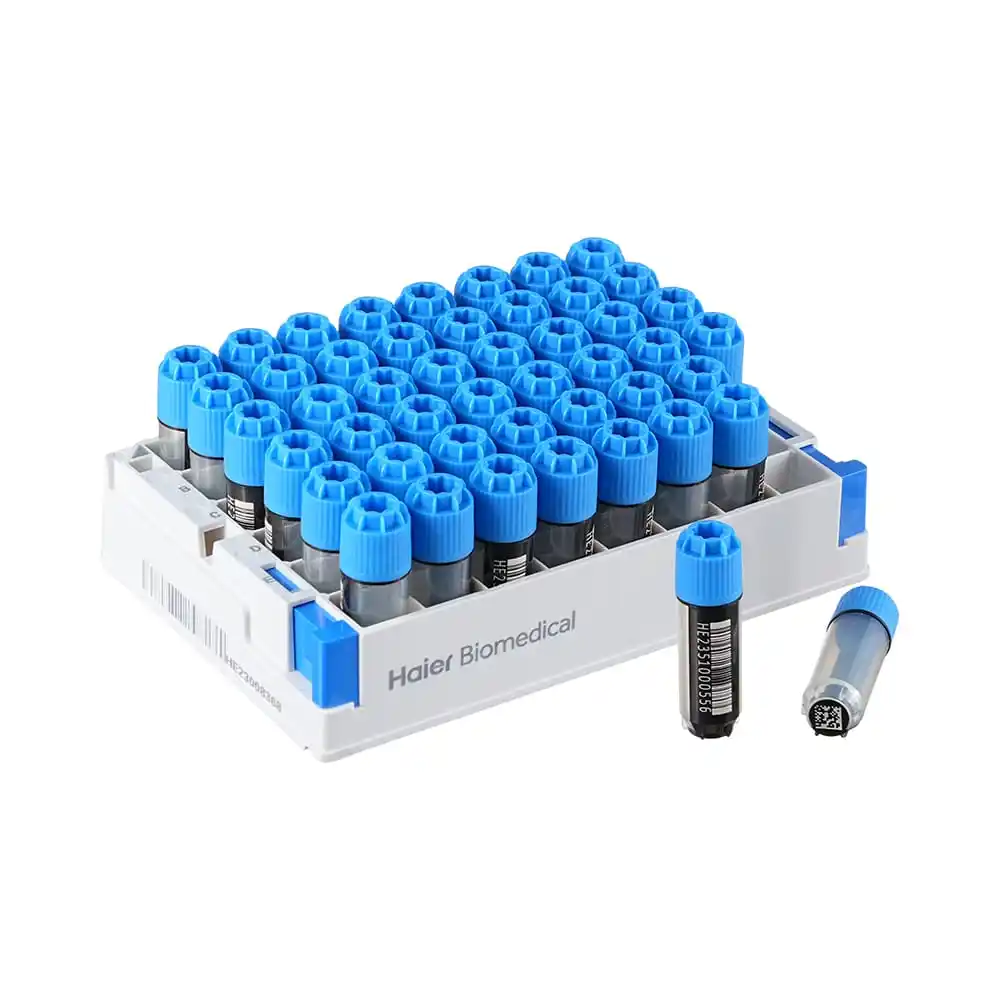
When selecting labware for cell culture, assay work, or biological research, the material composition of well plates is one of the most critical decisions a scientist or procurement specialist can make. The right material directly affects chemical resistance, optical clarity, cell adhesion, and the overall reproducibility of experimental results. Understanding what each material offers — and where it falls short — helps laboratories choose well plates that will perform consistently across thousands of experiments.
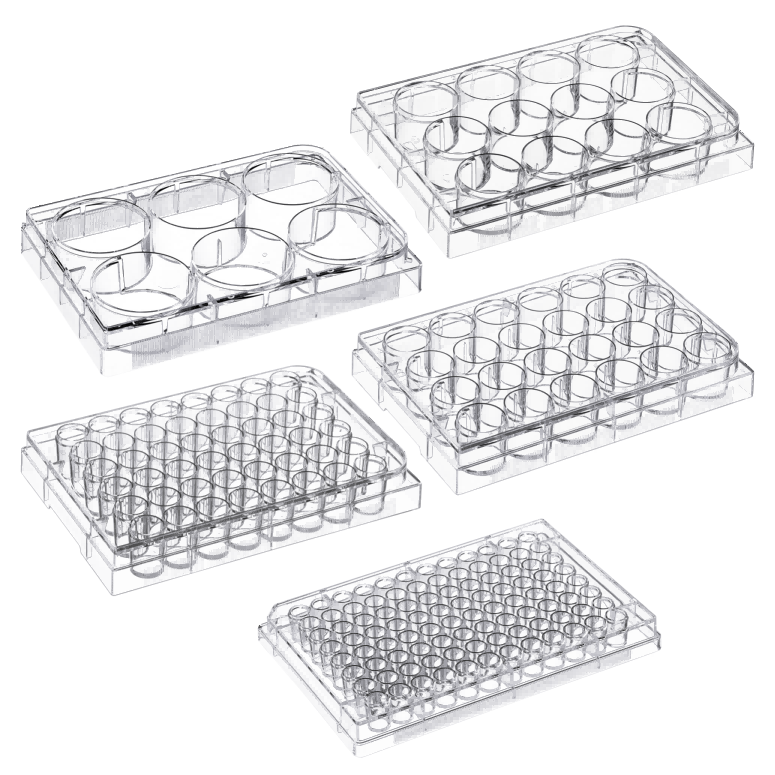
The market for well plates spans a wide variety of formats, from 6-well plates used for larger cell populations to 96-well plates suited for high-throughput screening. Across all these formats, material selection remains the foundation of reliability. Whether you are working with sensitive mammalian cells, aggressive chemical reagents, or fluorescence-based detection systems, the material of your well plates will determine both the quality of your data and the longevity of your labware investment.
Polystyrene as the Standard Material for Well Plates
Why Polystyrene Dominates Cell Culture Applications
Polystyrene is by far the most widely used material for well plates in life science laboratories. Its popularity stems from a combination of optical clarity, ease of manufacturing, and proven compatibility with standard tissue culture treatment processes. Well plates made from virgin polystyrene offer excellent transparency, which allows researchers to observe cell morphology directly under an inverted microscope without removing samples from the plate.
Tissue culture-treated polystyrene well plates undergo a surface modification process — typically corona discharge or gamma irradiation — that alters the surface charge and hydrophilicity of the plastic. This treatment promotes cell attachment, making polystyrene well plates the preferred choice for adherent cell lines. The consistency of this surface treatment across manufacturing batches is a key reason why polystyrene well plates remain the benchmark for reproducibility in research.
Limitations of Polystyrene Well Plates
Despite their dominance, polystyrene well plates are not suitable for every application. Polystyrene can absorb certain hydrophobic compounds, which can skew dose-response results in drug screening assays. Well plates made from polystyrene also have limited solvent resistance, meaning exposure to organic solvents such as DMSO at high concentrations may degrade the plate material. For these reasons, researchers working with lipophilic molecules or solvent-heavy assays often look toward alternative materials for their well plates.
Polypropylene and Cyclic Olefin Copolymer Well Plates
Polypropylene Well Plates for Solvent-Resistant Applications
Polypropylene is the material of choice when chemical resistance is the top priority. Well plates manufactured from polypropylene can withstand a broad range of solvents, acids, and bases, making them ideal for compound storage, sample preparation, and assay steps that involve aggressive reagents. Polypropylene well plates are also autoclavable, adding a layer of sterility assurance for protocols that require repeated sterilization cycles.
However, polypropylene well plates are generally more opaque than polystyrene counterparts, which can limit their suitability for imaging-based assays. They also have lower surface energy, which makes them less favorable for cell attachment without additional surface treatment. For non-cell-based applications such as PCR preparation, liquid handling, and long-term compound storage, polypropylene well plates offer outstanding durability and low compound binding rates.
Cyclic Olefin Copolymer for High-Performance Optical Work
Cyclic olefin copolymer, commonly known as COC, is an advanced polymer used in premium well plates designed for fluorescence microscopy and high-content imaging. COC well plates provide exceptionally low autofluorescence compared to standard polystyrene, which is critical for sensitive fluorescence-based detection where background noise can compromise data quality. The optical properties of COC well plates make them highly valued in confocal imaging workflows and live-cell imaging platforms.
COC well plates also demonstrate excellent water vapor barrier properties and dimensional stability across a wide temperature range. These characteristics support long-duration assays and environmental chamber experiments where plate warping could disrupt automated liquid handling systems. The trade-off is cost — COC well plates are significantly more expensive than polystyrene versions, so their use is typically reserved for applications where optical performance is non-negotiable.
Glass-Bottom and Specialty Material Well Plates
Glass-Bottom Well Plates for Advanced Imaging
Glass-bottom well plates combine a polymer frame with a thin borosilicate glass base in each well. These well plates are engineered specifically for high-resolution fluorescence imaging, confocal microscopy, and total internal reflection fluorescence microscopy. The glass bottom provides optical flatness and minimal autofluorescence that no polymer-only well plate can match. Researchers who require sub-cellular resolution imaging consistently choose glass-bottom well plates as the most reliable option for demanding imaging protocols.
Glass-bottom well plates are also compatible with oil-immersion objectives, which is a requirement for many advanced microscopy techniques. The polymer outer frame of these well plates maintains the standard footprint for compatibility with automated systems, while the glass base delivers superior imaging performance. These well plates are particularly common in neuroscience, cancer biology, and stem cell research, where high-content imaging at single-cell resolution is essential.
Selecting the Right Material Based on Your Assay Needs
The best material for your well plates ultimately depends on the specific demands of your assay. For routine cell culture, tissue culture-treated polystyrene well plates deliver the best balance of performance, availability, and cost. For chemical and drug compound workflows, polypropylene well plates offer chemical resistance and low binding. For imaging-intensive research, COC or glass-bottom well plates provide the optical clarity and low autofluorescence required. Matching material properties to experimental requirements is the key to getting consistent, high-quality results from your well plates across every run.
Procurement teams sourcing well plates for multi-user core facilities should consider stocking multiple material types to serve diverse research needs. Providing researchers with access to the correct well plates for each application reduces experimental failures, minimizes reagent waste, and strengthens the overall quality of the facility's research output. A well-planned well plates inventory strategy is as important as any other procurement decision in a life science environment.
FAQ
What is the most common material used for well plates in cell culture?
Polystyrene is the most common material for well plates used in cell culture. It offers good optical clarity, supports tissue culture surface treatment for cell adhesion, and is compatible with standard laboratory workflows. Polystyrene well plates are available in a wide range of formats, including 6, 12, 24, 48, and 96-well configurations.
Are polypropylene well plates suitable for cell culture?
Polypropylene well plates are not typically recommended for standard cell culture because the material has low surface energy that inhibits cell attachment. They are best suited for applications that require solvent resistance or compound storage, such as PCR prep, liquid handling, and sample archiving. For cell-based assays, polystyrene well plates with tissue culture treatment are the more appropriate choice.
When should I use glass-bottom well plates instead of plastic well plates?
Glass-bottom well plates should be used when your experiment requires high-resolution fluorescence imaging, confocal microscopy, or oil-immersion objective compatibility. Standard plastic well plates can introduce optical distortions and autofluorescence that interfere with sensitive imaging assays. If your research involves sub-cellular imaging or quantitative fluorescence measurements, glass-bottom well plates offer the most reliable optical performance available.