Petri Dish for Cell Culture

Get a Free Quote

Our representative will contact you soon.
Email
Name
Company Name
Message
0/1000

petri dish for cell culture

A petri dish for cell culture represents a fundamental laboratory tool designed to support the growth and maintenance of cells in controlled environments. This specialized container serves as the primary vessel for culturing various cell types, from bacterial colonies to mammalian cells, making it an indispensable component in research, clinical, and industrial settings. The petri dish for cell culture features a shallow, cylindrical design with a flat bottom and a fitted lid that allows researchers to observe cell development while maintaining sterility. The primary function of a petri dish for cell culture is to provide an optimal growing environment where cells receive necessary nutrients, oxygen, and regulated conditions. Modern petri dishes incorporate advanced technological features including ultra-low evaporation designs, enhanced optical clarity for microscopic examination, and specialized surface treatments that promote cell adhesion. These innovations ensure that a petri dish for cell culture maintains consistent conditions throughout extended culture periods. Applications of the petri dish for cell culture span multiple disciplines. In microbiology, researchers use these dishes to isolate and identify bacterial and fungal organisms. In tissue engineering and regenerative medicine, scientists employ the petri dish for cell culture to develop therapeutic cell populations. Pharmaceutical companies rely on this equipment for drug testing and toxicology studies. Additionally, educational institutions utilize the petri dish for cell culture in teaching laboratory techniques and cell biology principles. The versatility and reliability of this essential laboratory equipment make it crucial for advancing scientific research and medical innovation across numerous fields and applications.

New Product Releases

Using a petri dish for cell culture delivers significant practical benefits that directly enhance laboratory operations and research outcomes. First, the petri dish for cell culture provides exceptional value through affordability and accessibility. These vessels cost substantially less than alternative culture systems, allowing laboratories to maintain extensive cell collections without excessive budget constraints. This economical advantage enables researchers to conduct multiple parallel experiments simultaneously, accelerating scientific discovery while maintaining fiscal responsibility. Operationally, the petri dish for cell culture excels in simplicity and ease of use. The straightforward design requires minimal training, allowing laboratory staff to master sterile technique quickly. This accessibility reduces operational complexity and minimizes the learning curve for new team members. The transparent construction enables continuous visual monitoring of cell growth without disrupting the culture environment, providing real-time feedback on cellular development and contamination status. The petri dish for cell culture proves exceptionally suitable for diverse applications across research, clinical, and industrial sectors. Whether cultivating adherent cells, suspension cultures, or microbial colonies, this versatile vessel accommodates various cell types and experimental protocols. Researchers appreciate the compatibility with standard laboratory equipment and established procedures, ensuring seamless integration into existing workflows. From a decision perspective, choosing a petri dish for cell culture offers proven reliability backed by decades of scientific use. The standardized format facilitates data comparison across studies and institutions, supporting reproducible research. Additionally, the compact design enables efficient storage and organization, maximizing laboratory space utilization. These combined advantages—affordability, simplicity, versatility, and proven performance—make the petri dish for cell culture an indispensable choice for any institution prioritizing effective cell culture capabilities.

Tips And Tricks

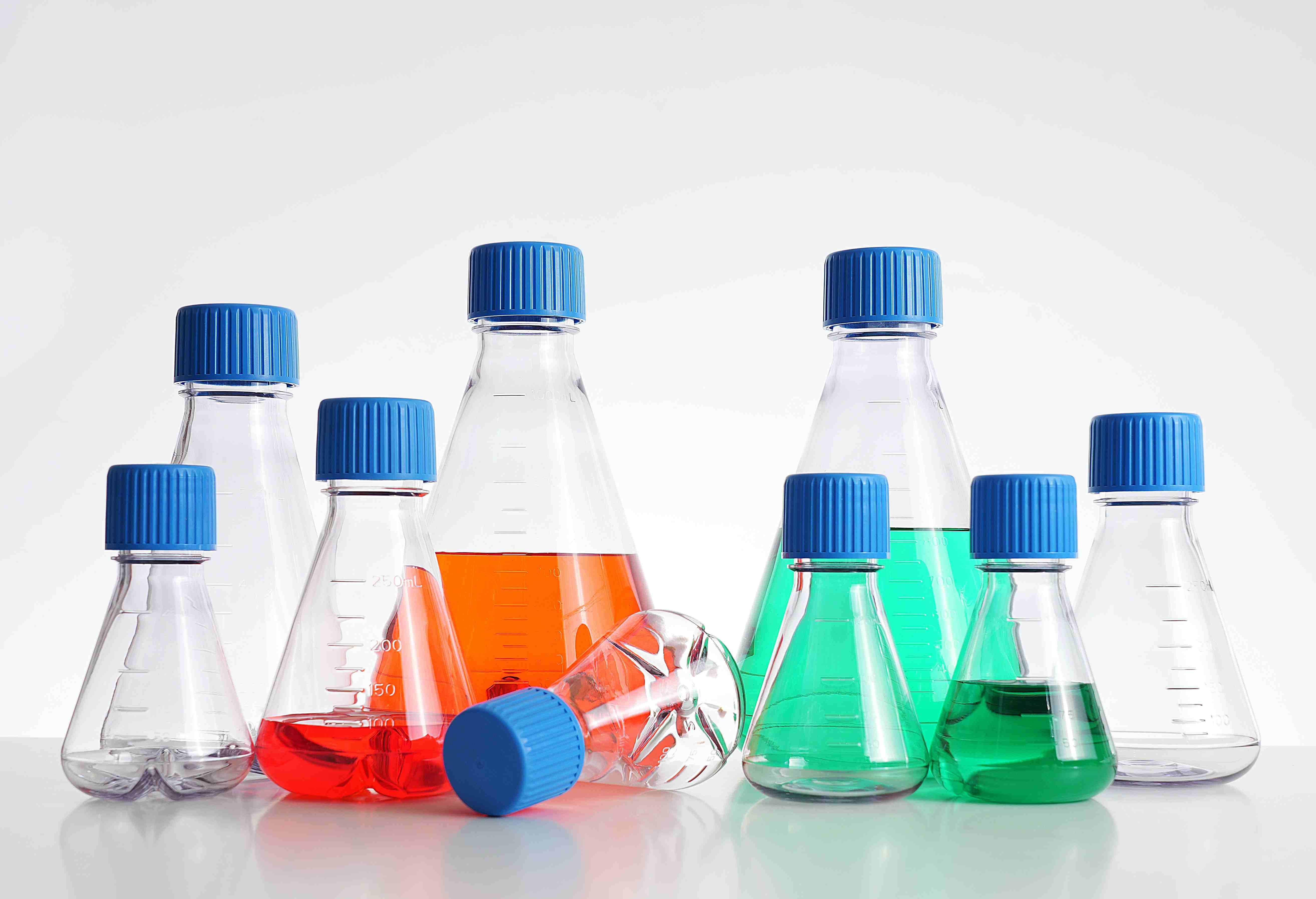
Why Erlenmeyer Flasks Are Widely Used In Cell Suspension Cultures

15

May

Why Erlenmeyer Flasks Are Widely Used In Cell Suspension Cultures

In modern cell biology and biopharmaceutical research, the choice of culture vessel profoundly impacts cell viability, growth consistency, and experimental reproducibility. Among the many options available in laboratory settings, the Erlenmeyer flask...
View More
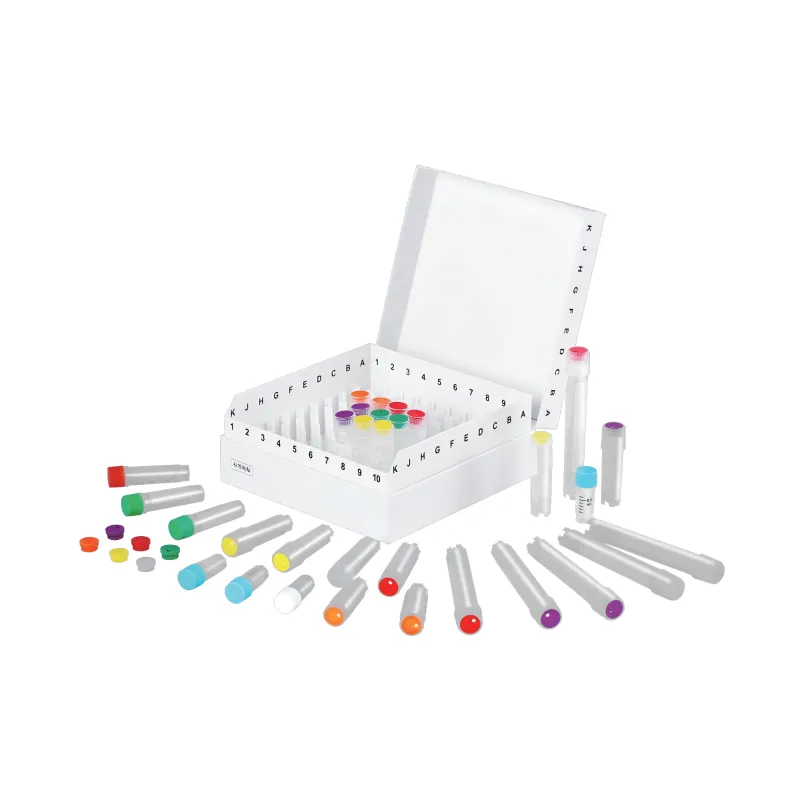
Tips For Labeling And Managing Freezer Racks Effectively

16

Jul

Tips For Labeling And Managing Freezer Racks Effectively

In laboratory and biobank environments, freezer racks are the backbone of organized sample storage. Whether you manage a small research freezer or an entire ULT storage system, the way you label and organize your freezer racks directly affects retrie...
View More
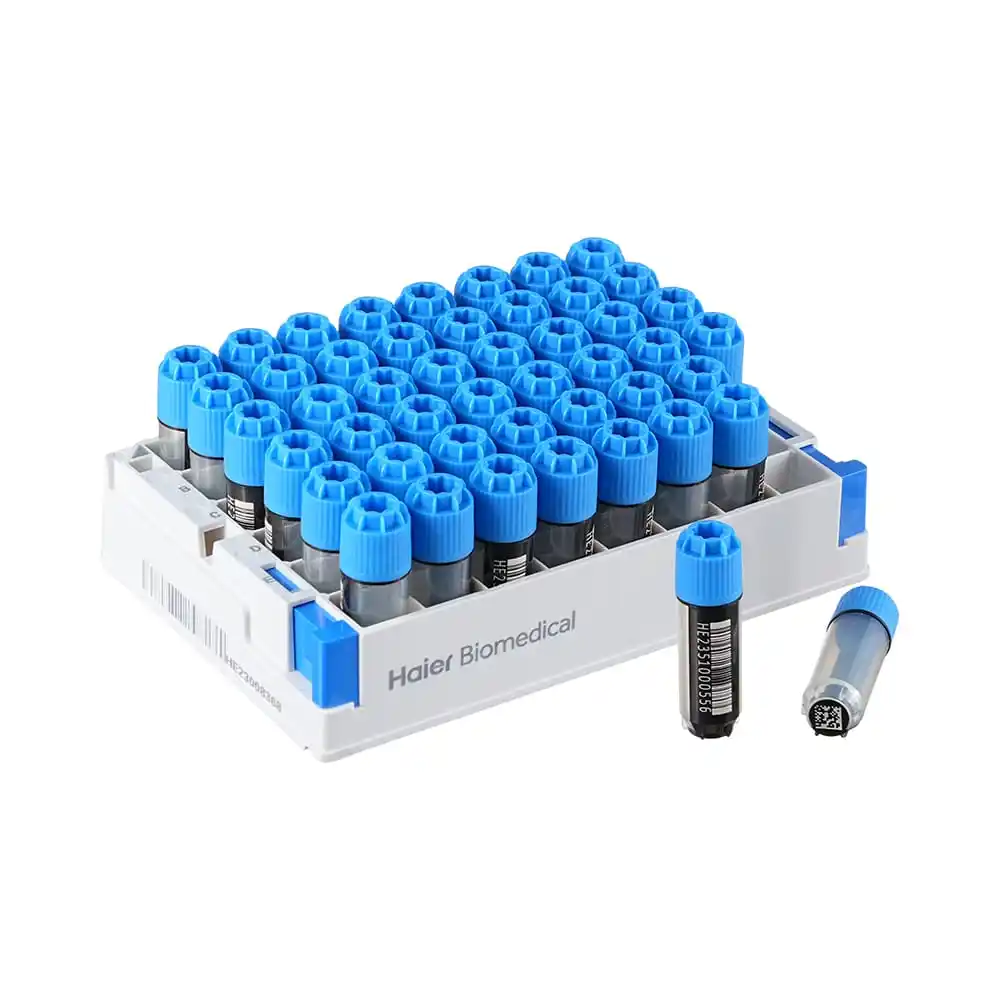
What To Consider When Selecting Sterile Sample Tubes

16

Jul

What To Consider When Selecting Sterile Sample Tubes

Choosing the right sterile sample tubes is a decision that directly affects data integrity, workflow efficiency, and regulatory compliance in laboratory and clinical environments. Whether you are processing biological specimens, conducting microbiolo...
View More
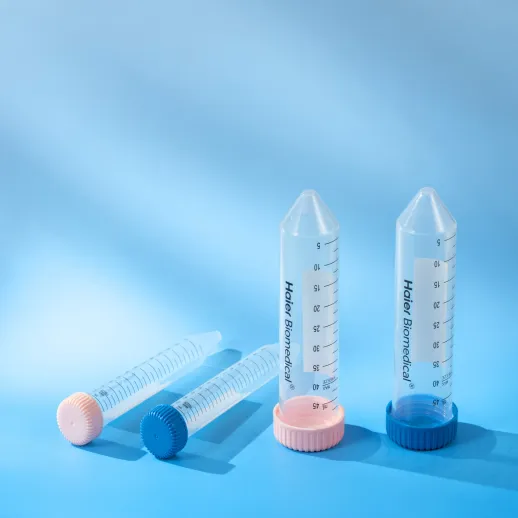
How Can Sample Tubes Improve Efficiency in Medical and Research Labs

31

Aug

How Can Sample Tubes Improve Efficiency in Medical and Research Labs

In both medical facilities and scientific research environments, the ability to handle specimens quickly, accurately, and safely is central to productive operations. sample tubes play a foundational role in this process, serving as the primary vessel...
View More

Get a Free Quote

Our representative will contact you soon.
Email
Name
Company Name
Message
0/1000

petri dish for cell culture

Superior Optical Clarity for Precise Cell Observation

Superior Optical Clarity for Precise Cell Observation

The petri dish for cell culture features exceptional optical properties that enable researchers to observe cellular behavior with remarkable precision. Advanced manufacturing techniques eliminate optical distortions and imperfections, creating ultra-clear viewing surfaces that facilitate detailed microscopic examination without requiring sample removal. This transparent design allows scientists to monitor cell morphology, growth patterns, and potential contamination in real-time, providing critical insights into culture health and viability. The petri dish for cell culture optical quality proves invaluable during time-sensitive experiments where frequent sampling could compromise results. The clarity enhancement represents a significant technological advancement, particularly for researchers conducting live-cell imaging and long-term observation studies. By maintaining visual access without disrupting sterile conditions, the petri dish for cell culture supports better experimental outcomes while reducing operational interruptions.
Enhanced Sterility Maintenance with Protective Lid Design

Enhanced Sterility Maintenance with Protective Lid Design

Modern petri dish for cell culture designs incorporate sophisticated lid engineering that maximizes contamination prevention while permitting necessary gas exchange. The fitted lid creates a protective barrier that shields cultures from external pathogens, dust particles, and airborne contaminants that could compromise research integrity. Strategic venting mechanisms within the lid design facilitate oxygen circulation and carbon dioxide release, supporting optimal metabolic conditions for growing cells. The petri dish for cell culture lid architecture balances protection with accessibility, allowing researchers to perform necessary manipulations while maintaining the sterile environment essential for reliable results. This protective feature proves especially critical in multi-day culture protocols where contamination risk increases proportionally with culture duration. The engineered lid system reduces the need for repeated interventions that might introduce contaminants, ultimately extending culture viability and improving experimental success rates significantly.
Optimized Surface Treatment for Enhanced Cell Adhesion

Optimized Surface Treatment for Enhanced Cell Adhesion

The petri dish for cell culture now features specialized surface coatings designed to promote optimal cell adhesion and growth characteristics. These advanced treatments create microenvironments that encourage cells to attach firmly while maintaining natural growth patterns and morphology. The engineered surfaces accommodate both adherent and non-adherent cell types, providing researchers with flexibility in experimental design and protocol development. Superior surface chemistry within the petri dish for cell culture reduces cell stress during culture initiation and maintenance phases, supporting higher viability rates and more consistent experimental results. Manufacturers have developed multiple surface variations—including tissue culture-treated, ultra-low attachment, and specialized ECM-coated options—allowing researchers to select the petri dish for cell culture variant best suited to their specific cellular requirements. These surface innovations represent substantial improvements in cell behavior and culture reliability compared to conventional designs.

Get a Free Quote

Our representative will contact you soon.
Email
Name
Company Name
Message
0/1000