Parafilm Used in Laboratory | Reliable Sample Protection

Get a Free Quote

Our representative will contact you soon.
Email
Name
Company Name
Message
0/1000

parafilm used in laboratory

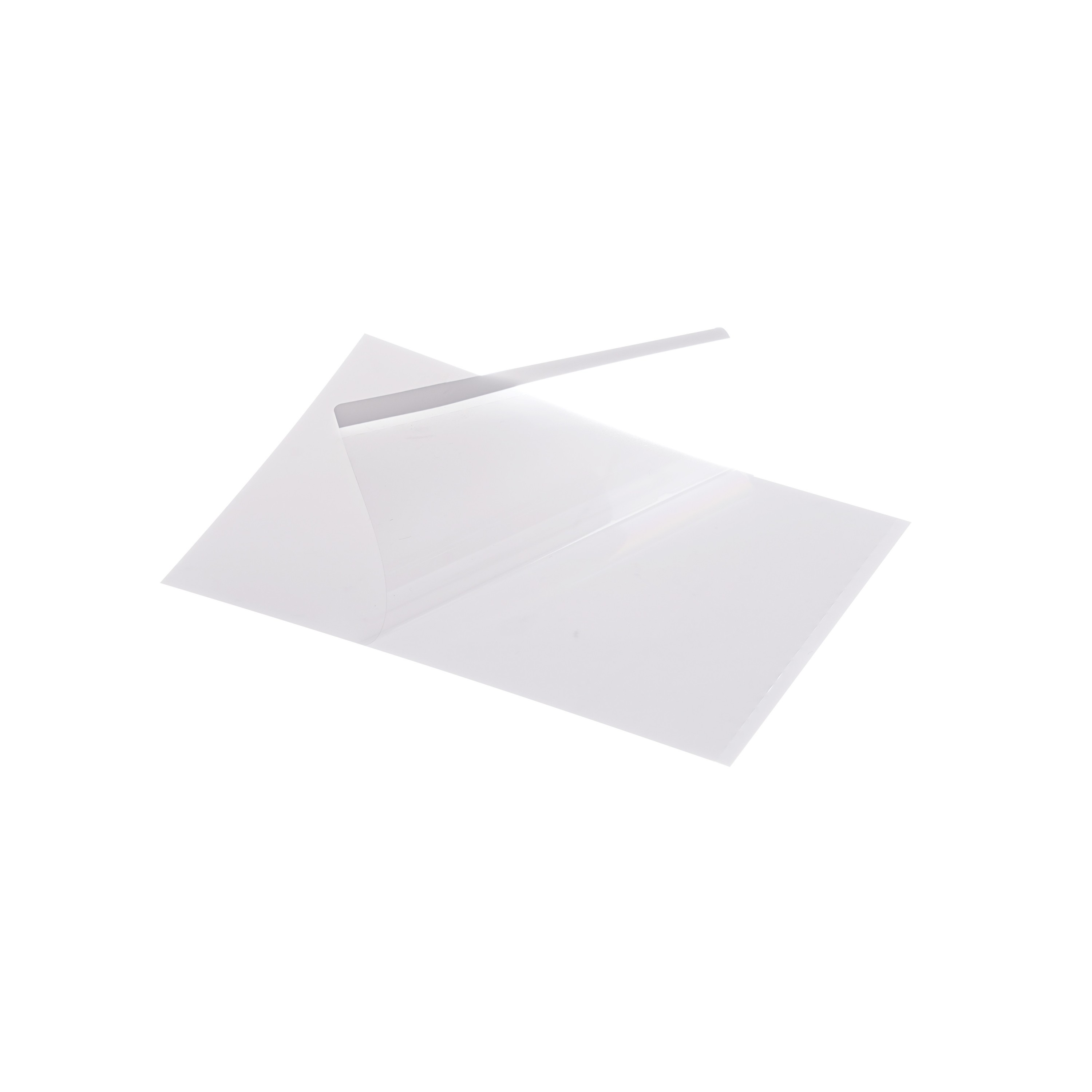
Parafilm used in laboratory represents an essential sealing solution designed specifically for scientific and medical environments. This specialized laboratory film serves as a protective barrier for test tubes, petri dishes, beakers, and other containment vessels during experiments and storage. Parafilm used in laboratory functions by creating an airtight, moisture-resistant seal that prevents contamination and evaporation of sensitive samples. The technological features of parafilm used in laboratory include its composition of a flexible, stretchable plastic material that adheres to various container surfaces without requiring adhesives or fasteners. This laboratory film maintains its sealing properties across a wide temperature range, from freezing conditions to moderate heat exposure, making it versatile for different experimental protocols. The material remains transparent, allowing researchers to observe samples without removing the seal. Applications of parafilm used in laboratory span multiple scientific disciplines. In microbiology, it seals culture plates and prevents airborne contamination. In chemistry, it protects volatile compounds from evaporation during reactions. Medical laboratories utilize parafilm used in laboratory to secure samples during centrifugation and storage. The film's compatibility with various sterilization methods, including autoclaving and UV exposure, enhances its utility in quality-controlled environments. Its non-toxic composition ensures it does not interfere with experimental results or compromise sample integrity.

New Products

Parafilm used in laboratory delivers outstanding practical benefits that make it indispensable in research and clinical settings. The primary operational advantage lies in its superior sealing capability. Unlike traditional covers or caps, parafilm used in laboratory creates a complete barrier against external contaminants and internal evaporation, ensuring sample integrity throughout extended storage periods or complex experimental procedures. The ease of application represents another significant benefit. Researchers simply stretch the film around container openings, requiring no special equipment, training, or preparation time. This simplicity reduces procedural errors and increases efficiency in high-volume laboratory environments. The versatility of parafilm used in laboratory extends to its compatibility with multiple container types and materials, eliminating the need for different sealing solutions for various experimental vessels. Cost-effectiveness constitutes a crucial operational benefit. Parafilm used in laboratory provides economical protection compared to specialized caps or sealing devices. Bulk purchasing options further reduce per-unit expenses, making laboratory budgets more manageable without compromising sample protection quality. For decision-making purposes, parafilm used in laboratory offers chemical resistance that protects against common laboratory solvents and reagents. Its flexibility accommodates containers of different shapes and sizes, from narrow test tubes to wide-mouth jars. The material's transparency enables visual inspection of contents without removing protection. Additionally, parafilm used in laboratory withstands temperature fluctuations without degrading, proving invaluable during freeze-thaw cycles essential to many biological research protocols.

Tips And Tricks

How Do Erlenmeyer Flasks Support Chemical Reactions and Mixing in Labs

15

May

How Do Erlenmeyer Flasks Support Chemical Reactions and Mixing in Labs

The Erlenmeyer flask is one of the most iconic and practically useful pieces of glassware found in any chemistry or life sciences laboratory. Its distinctive conical body, narrow neck, and flat base make it instantly recognizable, but beyond its fami...
View More
Proper Sealing And Handling Tips For Serum Bottles

03

Jun

Proper Sealing And Handling Tips For Serum Bottles

Whether you work in a clinical laboratory, a pharmaceutical production environment, or a research facility, the way you seal and handle serum bottles directly affects the integrity of the samples inside. Improper sealing introduces contamination risk...
View More
The Role Of Well Plates In Enzyme And Cell-Based Assays

10

Jul

The Role Of Well Plates In Enzyme And Cell-Based Assays

In modern biochemical research, well plates serve as a foundational tool for conducting both enzyme and cell-based assays at scale. These compact, standardized formats allow scientists to run dozens or even hundreds of simultaneous reactions within a...
View More
What Materials Are Best for Durable and Reliable Well Plates

10

Jul

What Materials Are Best for Durable and Reliable Well Plates

When selecting labware for cell culture, assay work, or biological research, the material composition of well plates is one of the most critical decisions a scientist or procurement specialist can make. The right material directly affects chemical re...
View More

Get a Free Quote

Our representative will contact you soon.
Email
Name
Company Name
Message
0/1000

parafilm used in laboratory

Superior Contamination Prevention in Parafilm Used in Laboratory

Superior Contamination Prevention in Parafilm Used in Laboratory

Parafilm used in laboratory excels at preventing airborne contamination, a critical concern in microbiology and sterile research environments. The material's molecular structure creates a moisture-proof seal that blocks dust particles, microorganisms, and environmental contaminants from reaching sensitive samples. This protective barrier proves especially valuable when samples require storage in refrigerated or incubated conditions for extended periods. Researchers working with bacterial cultures, fungal samples, or viral preparations depend on parafilm used in laboratory to maintain sample purity and prevent cross-contamination between adjacent containers. The film's ability to maintain its seal integrity without weakening ensures consistent protection throughout storage duration. In pharmaceutical quality assurance laboratories, parafilm used in laboratory demonstrates its worth by safeguarding stability testing samples from atmospheric interference, supporting accurate long-term study results.
Temperature and Chemical Compatibility of Laboratory Parafilm Film

Temperature and Chemical Compatibility of Laboratory Parafilm Film

Parafilm used in laboratory demonstrates remarkable resilience across diverse temperature ranges and chemical exposures. The material maintains its elasticity and sealing effectiveness from deep freezer temperatures, essential for cryogenic sample preservation, to moderate heat environments encountered during incubation procedures. This temperature stability eliminates concerns about seal failure during freeze-thaw cycles, common in genetic and molecular research. Furthermore, parafilm used in laboratory resists degradation from numerous laboratory chemicals, including organic solvents, aqueous solutions, and concentrated acids used in analytical chemistry. The material's inert composition prevents unwanted chemical reactions or leaching that might compromise experimental results. Researchers performing solvent extraction experiments, chromatography procedures, or chemical assays benefit significantly from parafilm used in laboratory's chemical compatibility, knowing their sealing medium won't interfere with reactions or contaminate samples.
Practical Efficiency and Cost Savings with Laboratory Sealing Film

Practical Efficiency and Cost Savings with Laboratory Sealing Film

Parafilm used in laboratory streamlines laboratory workflows by eliminating complex sealing procedures while reducing material expenses substantially. The straightforward application method requires no training, special equipment, or time-consuming setup procedures, allowing technicians to protect numerous samples quickly and efficiently. This operational simplicity proves invaluable in high-throughput laboratories processing hundreds of samples daily. Economically, parafilm used in laboratory represents an excellent value proposition compared to specialized caps, custom-fitted covers, or reusable sealing devices requiring regular maintenance and replacement. The material's affordability enables laboratories to implement comprehensive protection protocols without budget constraints. Storage considerations also favor parafilm used in laboratory, as the film requires minimal space compared to maintaining inventories of various container-specific covers. This combination of practical efficiency and economic advantage makes parafilm used in laboratory an intelligent choice for resource-conscious institutions seeking maximum protection with minimal operational complexity.

Get a Free Quote

Our representative will contact you soon.
Email
Name
Company Name
Message
0/1000