Laboratory Sealing Film: Premium Sample Protection

Get a Free Quote

Our representative will contact you soon.
Email
Name
Company Name
Message
0/1000

laboratory sealing film

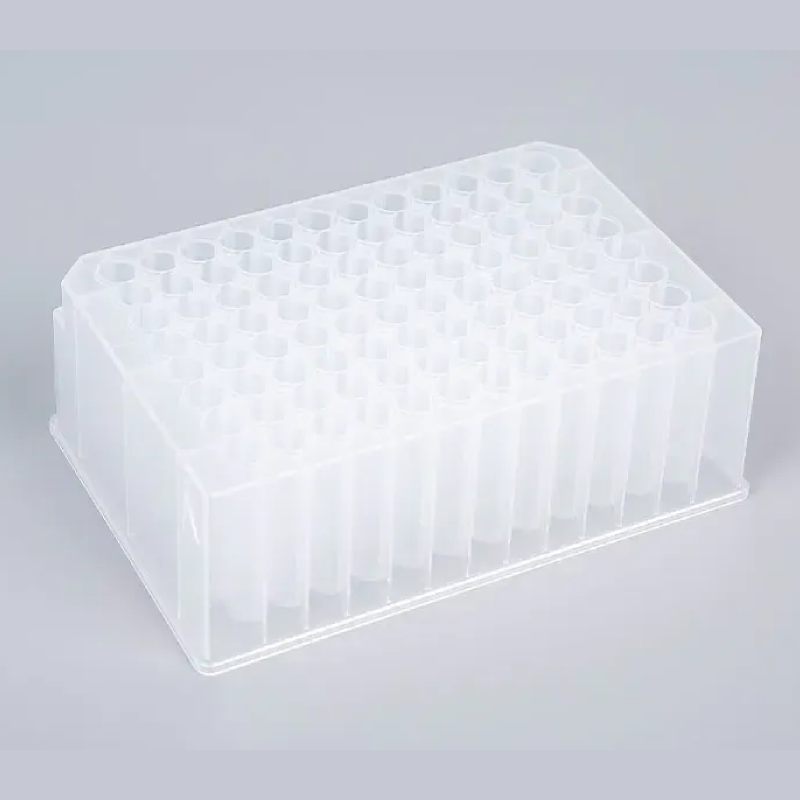
Laboratory sealing film represents an essential component in modern scientific research and diagnostic testing environments. This specialized film serves as a protective barrier for microplates, petri dishes, and sample containers, preventing contamination while maintaining sample integrity throughout various laboratory procedures. Laboratory sealing film is engineered to create an airtight seal that protects sensitive specimens from environmental exposure, microbial contamination, and evaporation during storage and processing. The primary functions of laboratory sealing film include securing samples during incubation, centrifugation, and transportation. The film adheres firmly to container rims without leaving residue, ensuring reliable containment throughout multiple handling cycles. Laboratory sealing film technology incorporates advanced polymer materials that withstand extreme temperatures, from refrigeration units to high-temperature incubators, making it versatile across diverse laboratory applications. Key technological features include optical clarity for easy sample visualization, chemical resistance to common laboratory reagents, and compatibility with automated laboratory systems. The film's thickness and elasticity are precisely engineered to provide adequate sealing without tearing or slipping during mechanical processing. Laboratory sealing film accommodates various plate formats, including 96-well, 384-well, and specialty plates used in clinical diagnostics, pharmaceutical research, and academic institutions. Applications span multiple sectors including molecular diagnostics, microbiological testing, immunoassays, and cell culture work. Researchers rely on laboratory sealing film to maintain sterile conditions during long-term storage and complex experimental protocols. Its effectiveness in preventing sample contamination while preserving analytical accuracy makes it indispensable in quality-critical laboratory environments.

New Product Recommendations

Laboratory sealing film delivers exceptional value to researchers and laboratory professionals by eliminating contamination risks that compromise experimental results. This protective barrier significantly reduces sample degradation, extending the viability of expensive reagents and biological specimens. By implementing laboratory sealing film, laboratories minimize waste and maximize resource efficiency, directly improving operational cost-effectiveness. The practical benefits extend beyond basic containment. Laboratory sealing film maintains consistent environmental conditions around samples, preventing evaporation that skews analytical measurements and invalidates test results. This reliability proves critical when processing high-volume samples where even minor contamination events cascade into substantial data losses and project delays. Operationally, laboratory sealing film streamlines workflow efficiency by accommodating automated processing systems. Technicians work faster knowing samples remain protected during rapid centrifugation, temperature cycling, and robotic handling. The film's ease of application and removal reduces manual labor while minimizing human error in sample management protocols. Application suitability makes laboratory sealing film invaluable across diverse research domains. Whether conducting PCR amplification, enzyme-linked immunosorbent assays, or microbial culture work, the film provides consistent protection. Its compatibility with standard laboratory equipment eliminates expensive modifications or specialized procedures. From a decision-context perspective, laboratories choosing laboratory sealing film gain competitive advantages in regulatory compliance and result reproducibility. The film's transparent design enables visual inspection without removing protection, supporting quality assurance protocols. Enhanced sample security strengthens data integrity documentation, supporting accreditation requirements and publication standards. Investment in quality laboratory sealing film translates into measurable improvements in experimental reliability, reduced repeat testing, and ultimately, faster scientific discoveries and diagnostics.

Practical Tips

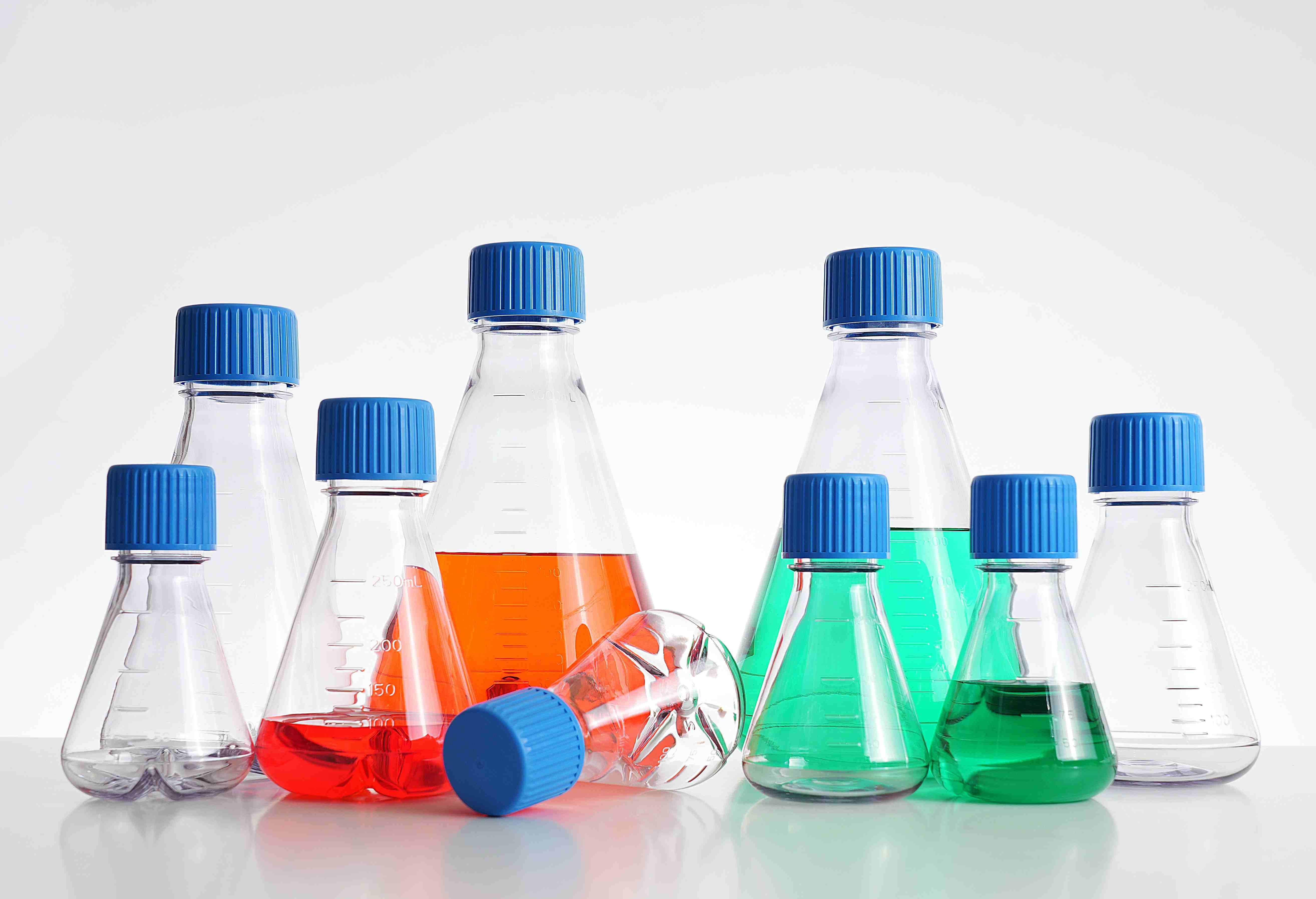
Why Erlenmeyer Flasks Are Widely Used In Cell Suspension Cultures

15

May

Why Erlenmeyer Flasks Are Widely Used In Cell Suspension Cultures

In modern cell biology and biopharmaceutical research, the choice of culture vessel profoundly impacts cell viability, growth consistency, and experimental reproducibility. Among the many options available in laboratory settings, the Erlenmeyer flask...
View More
Proper Sealing And Handling Tips For Serum Bottles

03

Jun

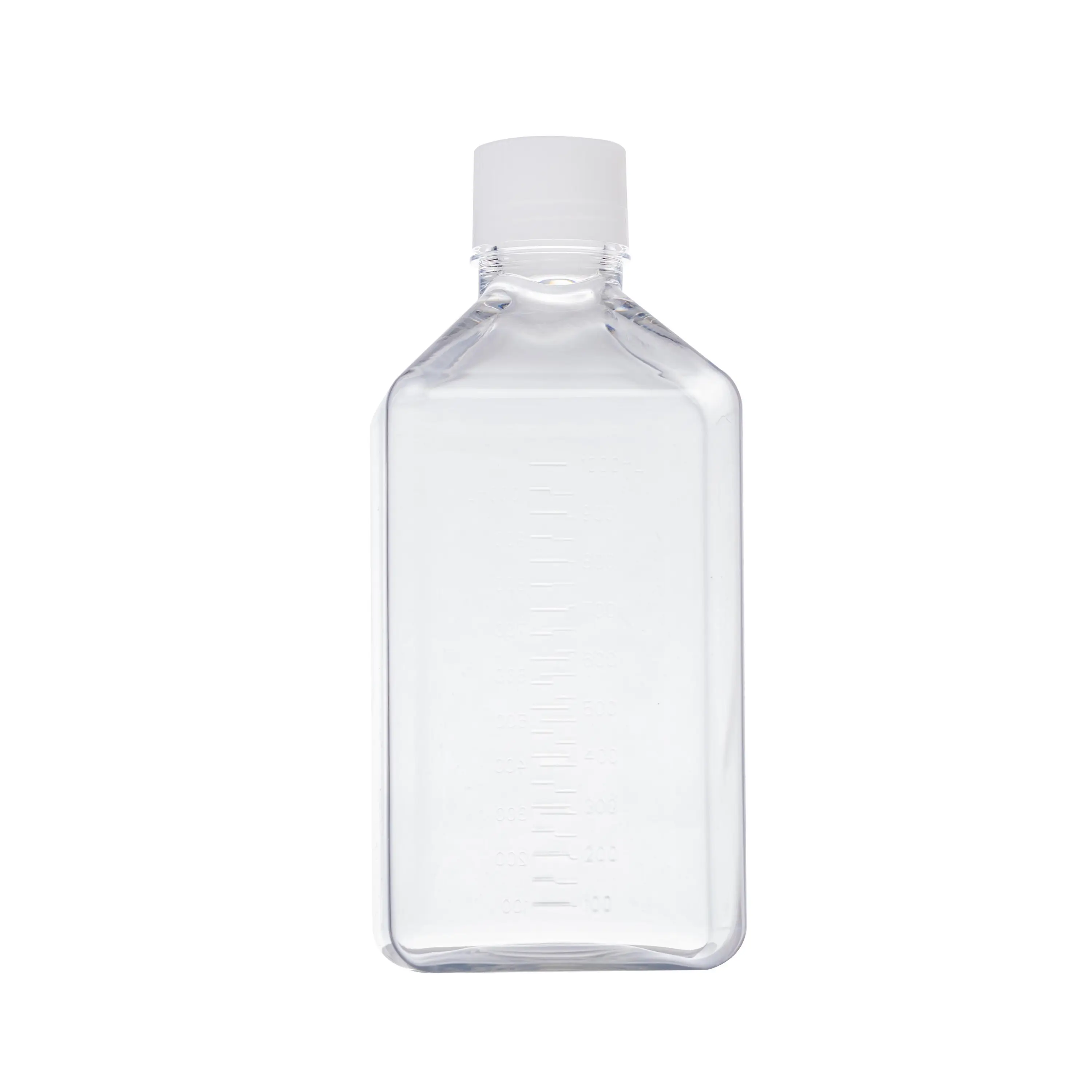
Proper Sealing And Handling Tips For Serum Bottles

Whether you work in a clinical laboratory, a pharmaceutical production environment, or a research facility, the way you seal and handle serum bottles directly affects the integrity of the samples inside. Improper sealing introduces contamination risk...
View More
Why Freezer Racks Improve Laboratory Storage Efficiency

10

Jul

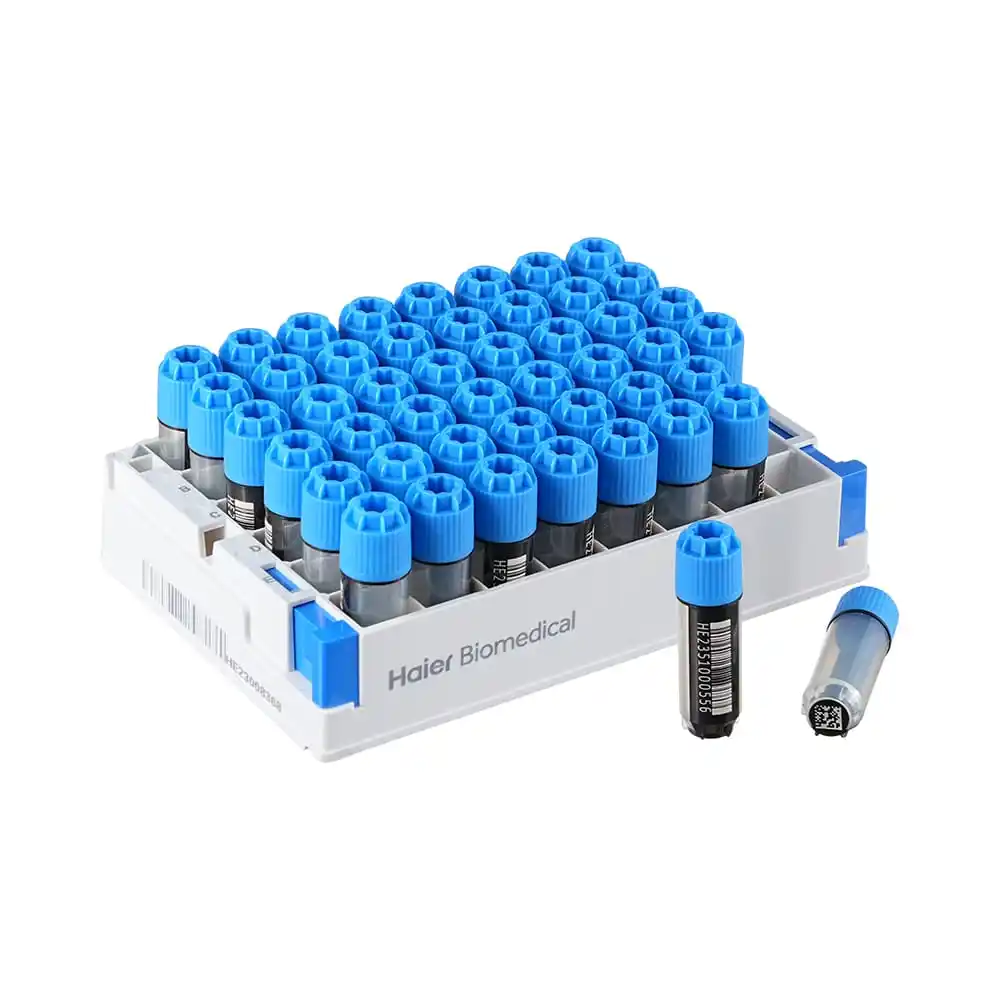
Why Freezer Racks Improve Laboratory Storage Efficiency

In modern laboratory environments, efficient sample management is not just a convenience — it is a scientific necessity. Freezer racks play a central role in organizing biological samples, reagents, and critical materials stored inside ultra-low temp...
View More
Tips For Labeling And Managing Freezer Racks Effectively

16

Jul

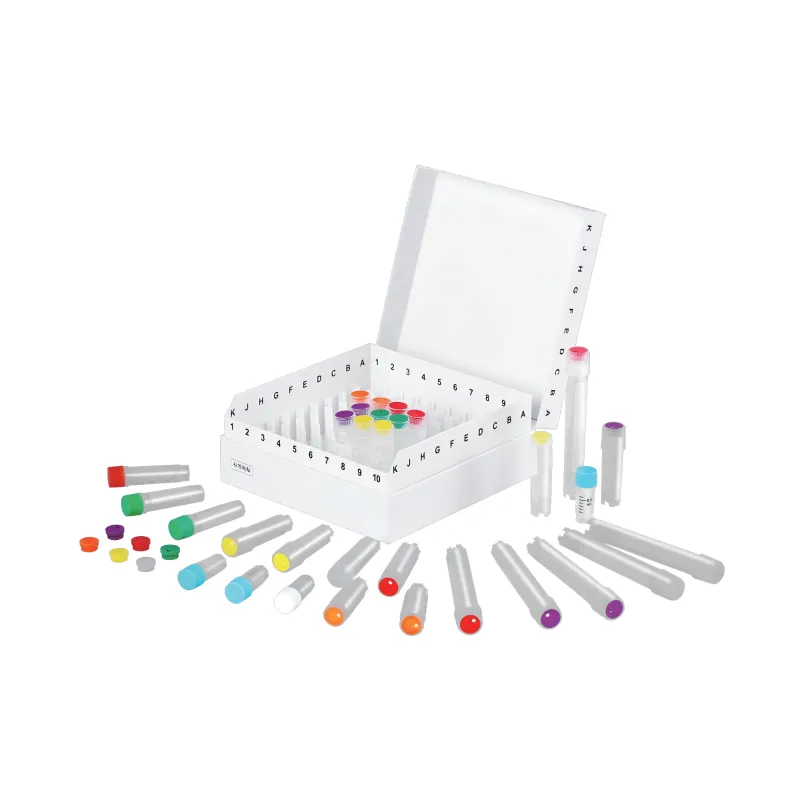
Tips For Labeling And Managing Freezer Racks Effectively

In laboratory and biobank environments, freezer racks are the backbone of organized sample storage. Whether you manage a small research freezer or an entire ULT storage system, the way you label and organize your freezer racks directly affects retrie...
View More

Get a Free Quote

Our representative will contact you soon.
Email
Name
Company Name
Message
0/1000

laboratory sealing film

Superior Contamination Prevention and Sample Protection

Superior Contamination Prevention and Sample Protection

Laboratory sealing film creates an impenetrable barrier against airborne particles, microorganisms, and cross-contamination during sample processing and storage. This protective function proves absolutely critical in clinical diagnostics, where contaminated samples produce erroneous results affecting patient care decisions. The film's adhesive properties maintain hermetic seals throughout multiple temperature cycles, centrifugation runs, and transport conditions. Researchers depend on laboratory sealing film to preserve sample authenticity from initial collection through final analysis. The advanced polymer composition resists puncturing and tearing even during vigorous mixing or automated handling procedures. Laboratories employing laboratory sealing film experience dramatically reduced contamination events, directly improving diagnostic accuracy and research validity. This superior protection capability justifies the investment, as compromised samples require expensive repetition of complex testing protocols and potentially delay critical medical decisions or research milestones.
Enhanced Temperature Resistance and Material Compatibility

Enhanced Temperature Resistance and Material Compatibility

Laboratory sealing film maintains structural integrity across extreme temperature ranges, from minus 80 degrees Celsius in cryogenic freezers to plus 121 degrees Celsius in autoclave sterilization cycles. This exceptional thermal stability distinguishes laboratory sealing film from inferior alternatives that become brittle or warped under temperature stress. The material composition demonstrates outstanding chemical resistance to common laboratory solvents, alcohols, and organic reagents without degradation or leaching contaminants into samples. Researchers working with sensitive assays appreciate that laboratory sealing film preserves sample chemistry without introducing unwanted substances that compromise analytical accuracy. The optical clarity remains unchanged after thermal cycling, enabling consistent visual inspection and automated plate reading throughout experimental duration. This robust performance makes laboratory sealing film an economical choice, as it survives multiple reuse cycles without replacement, reducing consumable costs significantly.
Seamless Integration with Automated Laboratory Systems

Seamless Integration with Automated Laboratory Systems

Laboratory sealing film seamlessly incorporates into modern high-throughput laboratory workflows, accommodating robotic liquid handlers, plate readers, and incubation systems without requiring specialized modifications. Automated platforms recognize laboratory sealing film sealed plates instantly, eliminating manual intervention and accelerating sample processing speed. The uniform film thickness ensures consistent optical properties, enabling precise colorimetric and fluorescent measurements essential for diagnostic accuracy. Laboratories utilizing laboratory sealing film with automated systems experience substantial throughput improvements, processing hundreds of samples daily with minimal manual handling. The film's standardized dimensions fit all common microplate formats, supporting seamless system integration without equipment adjustments. Technicians appreciate that laboratory sealing film reduces operator-dependent variables, improving result reproducibility and reducing validation requirements. This compatibility with advanced laboratory infrastructure makes laboratory sealing film indispensable for modern clinical and research facilities operating at scale.

Get a Free Quote

Our representative will contact you soon.
Email
Name
Company Name
Message
0/1000