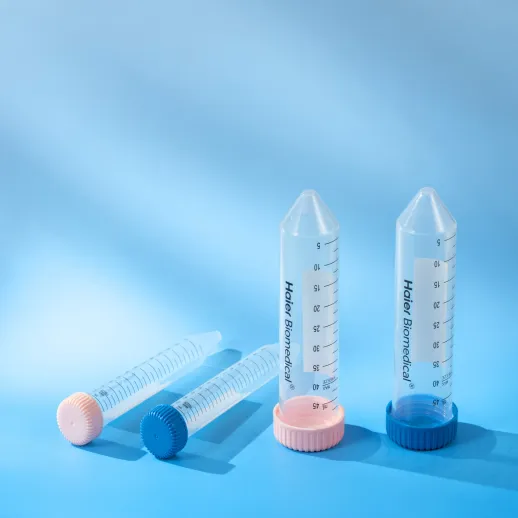
Low Retention Microcentrifuge Tubes

Get a Free Quote

Our representative will contact you soon.
Email
Name
Company Name
Message
0/1000

low retention microcentrifuge tubes

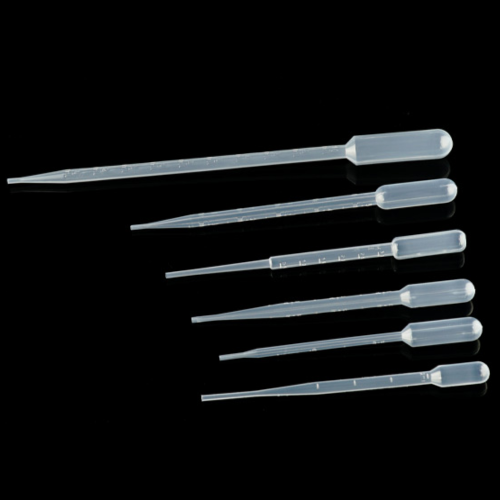
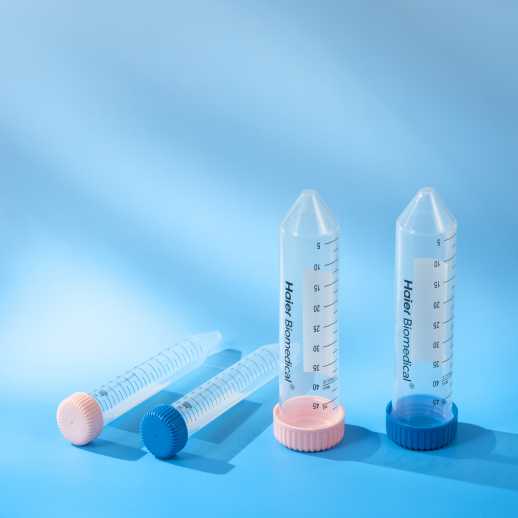
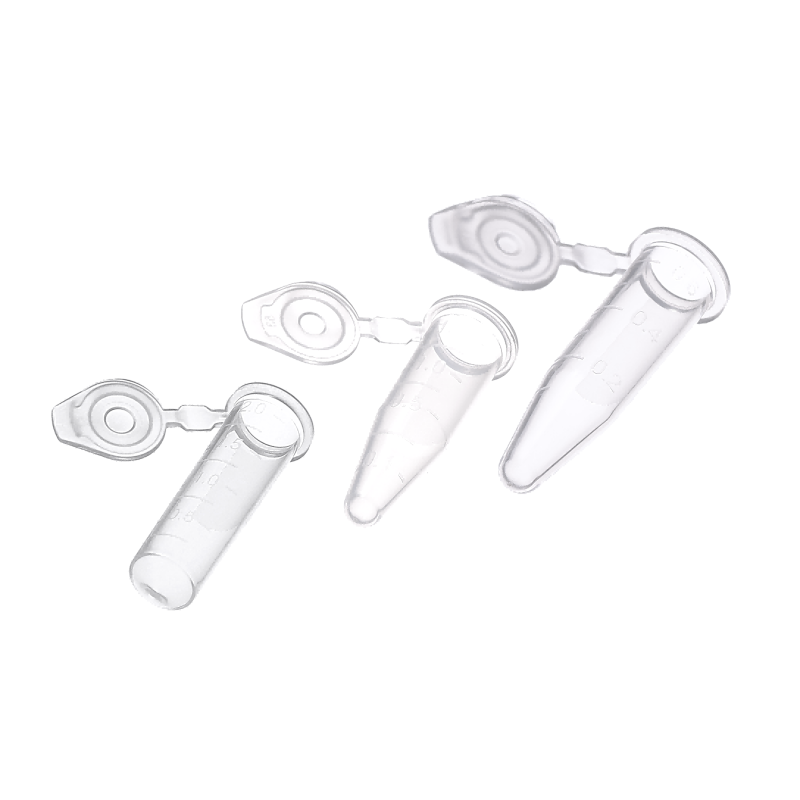
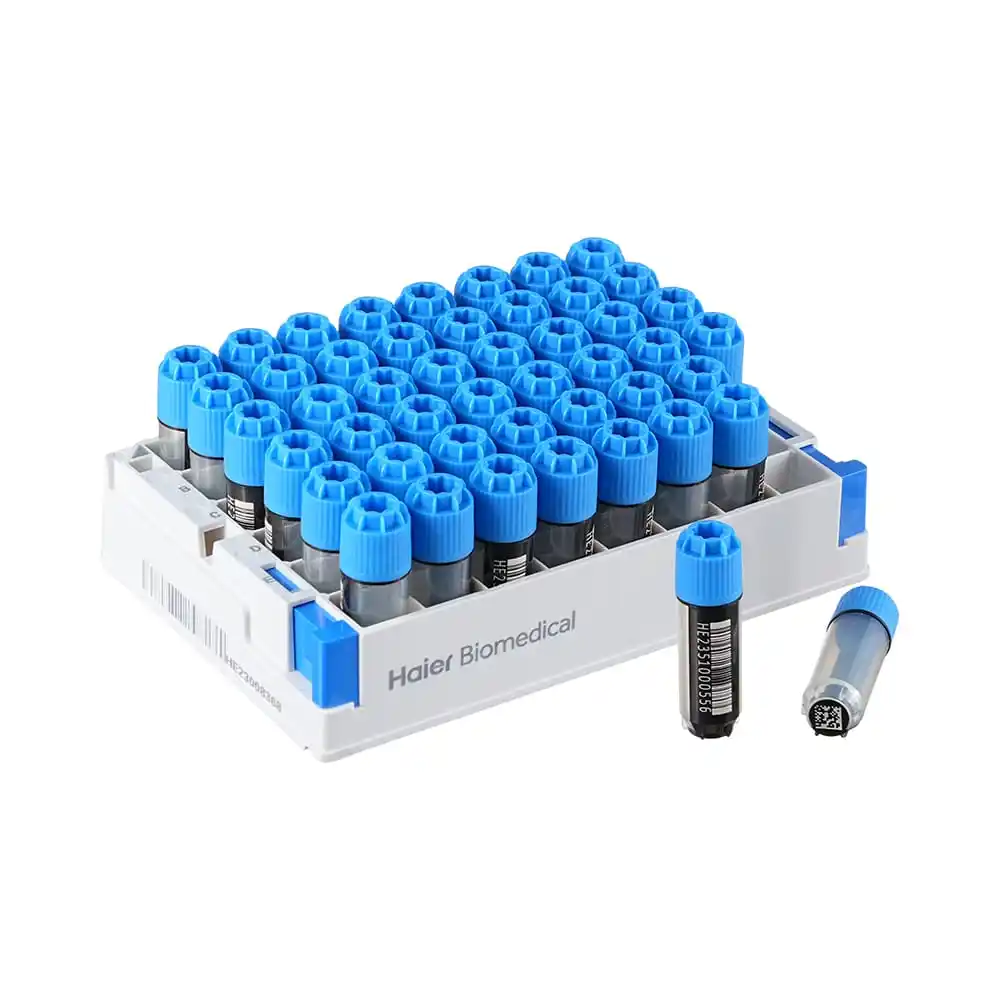
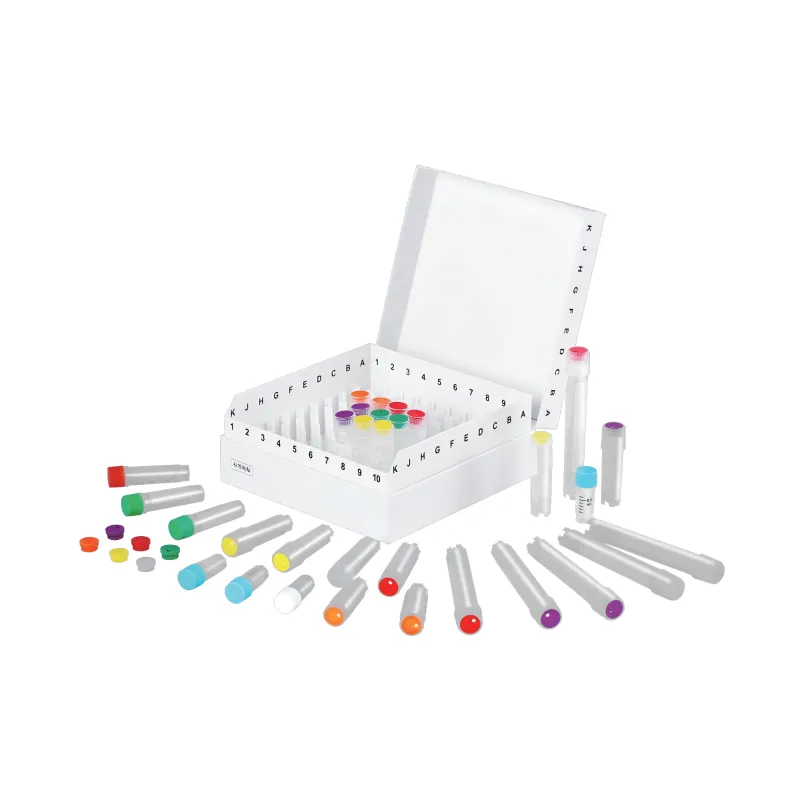
Low retention microcentrifuge tubes represent a significant advancement in laboratory sample storage and processing technology. These specialized containers are engineered to minimize the amount of sample that remains on tube walls after centrifugation, ensuring maximum sample recovery and improved accuracy in downstream applications. Low retention microcentrifuge tubes feature a unique molecular coating on their interior surfaces that prevents liquids from adhering to the walls, making them essential for high-value samples and precious biological materials. The primary function of low retention microcentrifuge tubes is to preserve sample integrity while maximizing usable volume for analysis. Whether working with proteins, DNA, RNA, or other sensitive compounds, these tubes maintain sample quality throughout storage and processing cycles. The advanced design of low retention microcentrifuge tubes incorporates graduated measurement marks for precise volume tracking and secure caps that prevent contamination and evaporation. Low retention microcentrifuge tubes are manufactured from premium polypropylene or other chemical-resistant materials that withstand repeated centrifugation, freezing, and thawing cycles. Their compatibility with standard laboratory centrifuges and automated liquid handlers makes them versatile solutions for modern research environments. The technology behind low retention microcentrifuge tubes addresses the common challenge of sample loss that researchers face when working with expensive reagents, rare specimens, or time-sensitive biological samples. By reducing residual volume retention to minimal levels, these tubes significantly improve experimental reproducibility and reduce waste.

New Product Releases

Low retention microcentrifuge tubes deliver substantial practical benefits that directly impact laboratory efficiency and research outcomes. The most significant advantage is sample recovery optimization, where these specialized tubes ensure you retain maximum usable sample volume compared to conventional containers. When working with expensive reagents, patient samples, or rare biological materials, this benefit translates directly into cost savings and improved research productivity. Operationally, low retention microcentrifuge tubes streamline your laboratory workflows by reducing the need for multiple rounds of collection or re-centrifugation. The hydrophobic coating technology means less sample sticks to internal surfaces, allowing researchers to transfer complete samples to downstream applications without waste. This operational efficiency becomes particularly valuable in high-throughput environments where processing dozens or hundreds of samples daily. These tubes excel in applications requiring precision and accuracy, including genomics, proteomics, immunology, and clinical diagnostics. Whether you're conducting qPCR reactions, protein quantification assays, or cell suspension preparations, low retention microcentrifuge tubes maintain sample integrity and reduce variability between replicates. The decision to invest in low retention microcentrifuge tubes proves economically sound for laboratories handling valuable samples. By minimizing sample loss, you reduce per-analysis costs and improve data reliability. Additionally, their compatibility with automated systems and standard equipment means no additional investments in infrastructure are necessary. For researchers committed to maximizing sample utility and achieving consistent, reproducible results, low retention microcentrifuge tubes represent an intelligent choice that demonstrates clear return on investment through improved experimental outcomes and reduced material waste.

Latest News

What Are the Common Applications of Cell Culture Dishes in Biotechnology

15

May

What Are the Common Applications of Cell Culture Dishes in Biotechnology

In modern biotechnology laboratories, few tools are as foundational and widely relied upon as cell culture dishes. These flat, circular, precision-engineered containers serve as the primary environment in which living cells are grown, maintained, and...
View More
How Can Serum Bottles Ensure Safe Storage of Biological Samples

03

Jun

How Can Serum Bottles Ensure Safe Storage of Biological Samples

When working with biological samples in laboratory, clinical, or research environments, the choice of storage container is never trivial. serum bottles have become a trusted solution across a wide range of life science applications, offering a combin...
View More
The Role Of Freezer Racks In Biobank Sample Organization

16

Jul

The Role Of Freezer Racks In Biobank Sample Organization

In modern biobanking, the ability to store, locate, and retrieve biological specimens quickly and accurately is not a luxury — it is a scientific necessity. freezer racks are one of the most critical yet often overlooked components of a well-organize...
View More
Best Practices For Preventing Leakage In Sample Tubes

16

Jul

Best Practices For Preventing Leakage In Sample Tubes

Leakage in sample tubes is one of the most persistent challenges in laboratory and biobanking environments. When sample tubes fail to maintain a proper seal, the consequences extend beyond simple inconvenience — contamination, specimen loss, and comp...
View More

Get a Free Quote

Our representative will contact you soon.
Email
Name
Company Name
Message
0/1000

low retention microcentrifuge tubes

Superior Sample Recovery Technology

Superior Sample Recovery Technology

Low retention microcentrifuge tubes incorporate advanced hydrophobic coating technology that dramatically reduces sample adhesion to container walls. This innovative surface treatment ensures that when you centrifuge your samples, virtually all material separates from the tube surface and remains available for transfer. The superior sample recovery technology in low retention microcentrifuge tubes becomes critically important when working with limited quantities of precious samples like rare patient specimens, costly research reagents, or hard-to-obtain biological materials. The coating remains stable through multiple freeze-thaw cycles, centrifugation operations, and extended storage periods, ensuring consistent performance throughout your sample's lifecycle. Unlike standard microcentrifuge tubes where sample loss can reach 5-10 percent due to wall adhesion, low retention microcentrifuge tubes maintain sample integrity and maximize the usable volume available for your experiments. This technology directly enhances your research reliability while reducing the frustration and expense associated with insufficient sample volumes for critical analyses.
Enhanced Laboratory Efficiency and Workflow

Enhanced Laboratory Efficiency and Workflow

Implementing low retention microcentrifuge tubes transforms your laboratory's operational efficiency by eliminating sample loss that typically requires additional processing steps. Researchers working with these specialized tubes spend less time troubleshooting low-volume transfers or performing time-consuming re-centrifugation procedures. The streamlined workflow provided by low retention microcentrifuge tubes means your team can process more samples in shorter timeframes while maintaining exceptional quality standards. The compatibility of low retention microcentrifuge tubes with modern automated liquid handling systems and high-speed centrifuges allows seamless integration into existing laboratory infrastructure. Graduated volume markings provide accurate sample quantification without additional measurement tools, simplifying pre-analysis preparation. Whether you're managing single samples or processing hundreds daily, low retention microcentrifuge tubes reduce handling time, minimize errors associated with multiple transfers, and ultimately improve your laboratory's throughput and productivity metrics.
Reliable Results Across Multiple Applications

Reliable Results Across Multiple Applications

Low retention microcentrifuge tubes deliver consistent performance across diverse laboratory applications, from molecular biology and clinical diagnostics to drug development and quality control testing. The reliable construction and superior material composition ensure that your samples maintain stability regardless of application-specific requirements. When conducting sensitive assays like quantitative PCR, protein analysis, or cell culture work, low retention microcentrifuge tubes provide the chemical compatibility and structural integrity necessary for accurate results. The universal design of low retention microcentrifuge tubes accommodates various sample types including aqueous solutions, organic solvents, viscous preparations, and difficult-to-handle reagents. This versatility means you can standardize your tube selection across multiple projects and applications without compromising performance. Researchers consistently report that low retention microcentrifuge tubes reduce between-sample contamination risk and minimize variability in experimental replicates. By choosing low retention microcentrifuge tubes for your laboratory, you invest in equipment that supports reliable, reproducible research outcomes across all your analytical and preparative procedures.

Get a Free Quote

Our representative will contact you soon.
Email
Name
Company Name
Message
0/1000