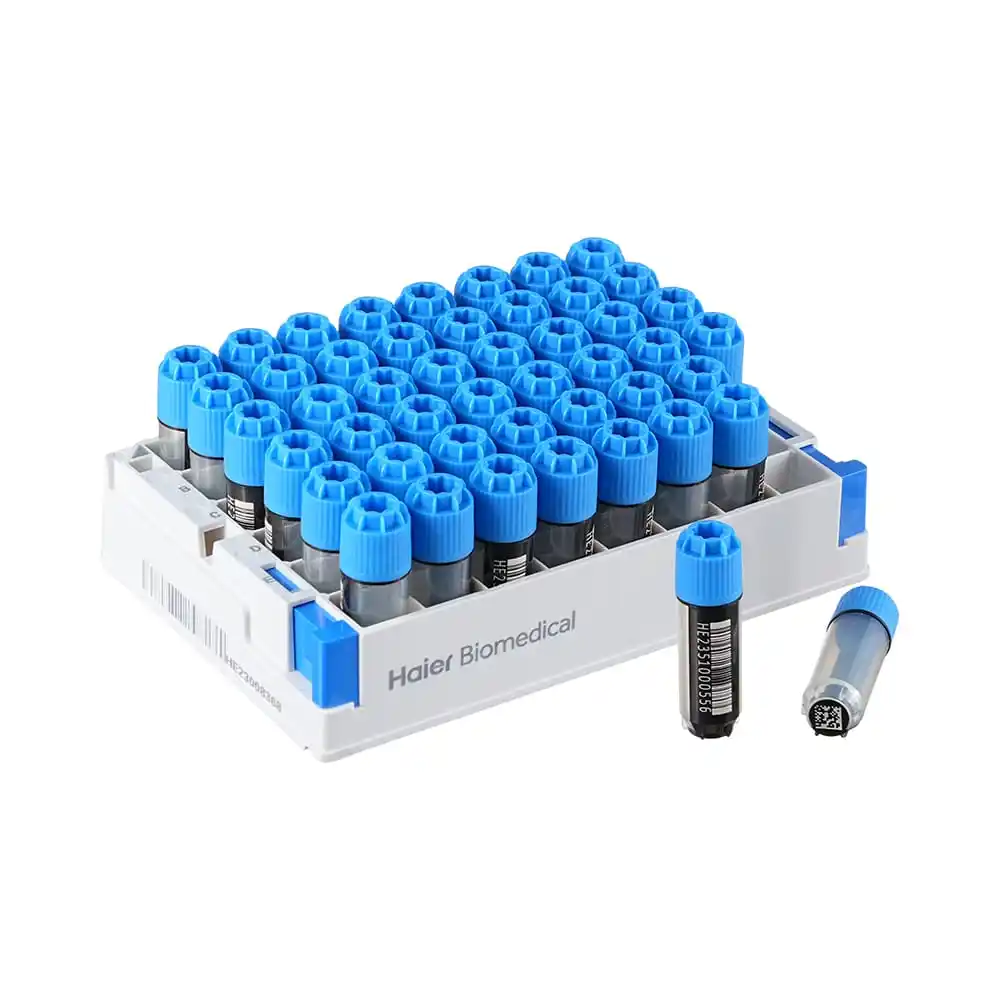
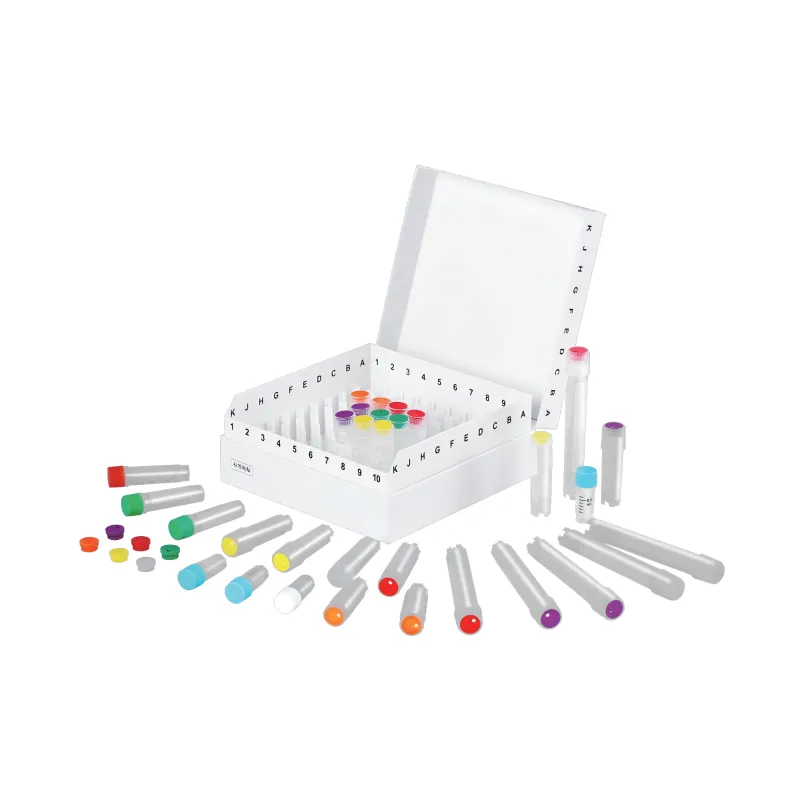
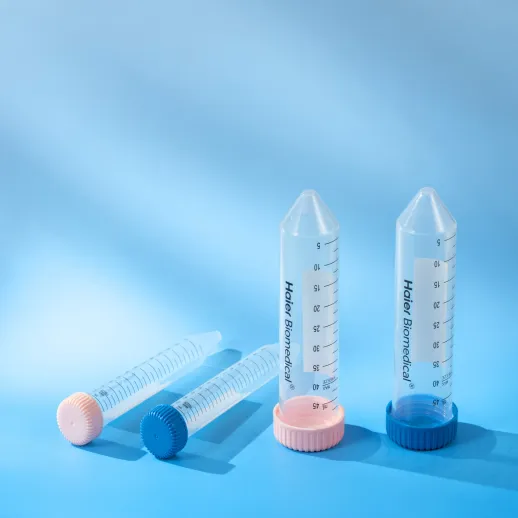
low protein binding microcentrifuge tubes
Low protein binding microcentrifuge tubes represent a significant advancement in laboratory sample handling and preservation. These specialized containers are engineered with innovative surface treatments that minimize unwanted protein adhesion, making them essential tools for researchers working with precious or sensitive biological samples. Low protein binding microcentrifuge tubes feature specially coated interiors that prevent protein molecules from sticking to tube walls, ensuring sample integrity throughout centrifugation and storage processes.
The primary function of low protein binding microcentrifuge tubes is to protect valuable protein samples from loss due to surface absorption. Traditional tubes often result in protein degradation or reduction, compromising research accuracy and wasting costly biological materials. These advanced tubes maintain sample quality by preserving protein concentration and activity levels.
Technologically, low protein binding microcentrifuge tubes incorporate ultra-low adhesion polymer coatings or specialized surface modifications that create hydrophobic or hydrophilic barriers. This prevents molecular interactions between proteins and the tube surface. The tubes maintain structural integrity during high-speed centrifugation, supporting forces up to 16,000 times gravity without compromise.
Applications for low protein binding microcentrifuge tubes span multiple scientific disciplines. Proteomics researchers rely on them for protein extraction and purification studies. Immunology labs utilize these tubes for antibody preparation and analysis. Biotechnology companies employ low protein binding microcentrifuge tubes in therapeutic protein development and quality control testing. Additionally, diagnostic laboratories benefit from enhanced sample preservation during clinical testing procedures, ensuring reliable results across diverse medical and research environments.

 EN
EN