plastic cryovials
Plastic cryovials represent essential laboratory vessels designed for safe storage and preservation of biological samples at ultra-low temperatures. These specialized containers are engineered to maintain sample integrity during freezing processes, making them indispensable in research facilities, biobanks, and medical laboratories worldwide. Plastic cryovials offer superior protection for precious specimens including blood samples, tissue cultures, and genetic materials.
The primary function of plastic cryovials involves secure containment of samples while withstanding extreme temperature fluctuations. Unlike traditional glass alternatives, plastic cryovials demonstrate exceptional thermal shock resistance, preventing sample degradation and contamination. These vessels feature leak-proof sealing mechanisms that protect contents from environmental exposure and cross-contamination risks.
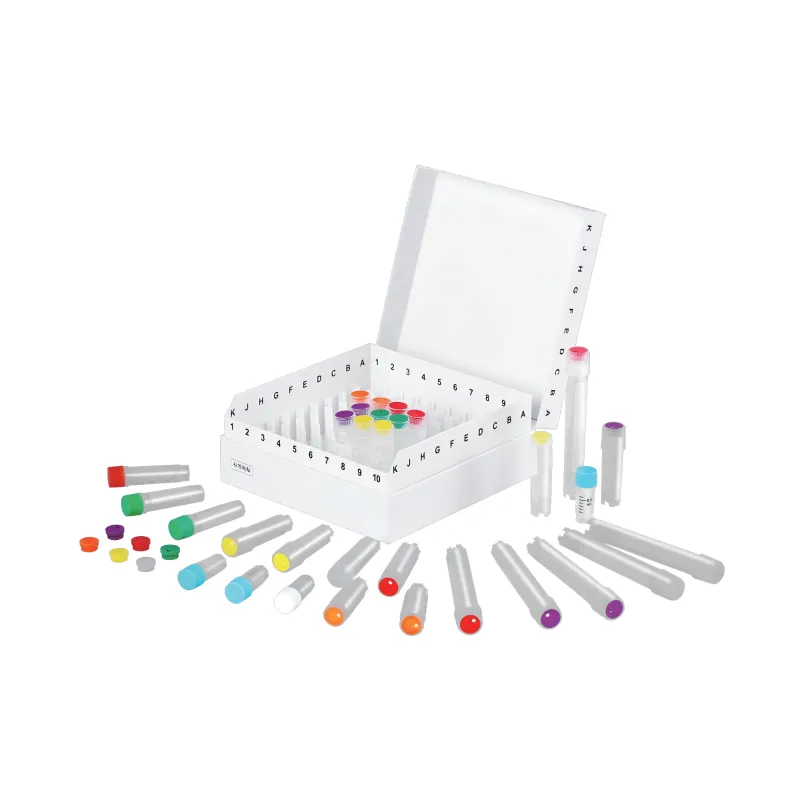
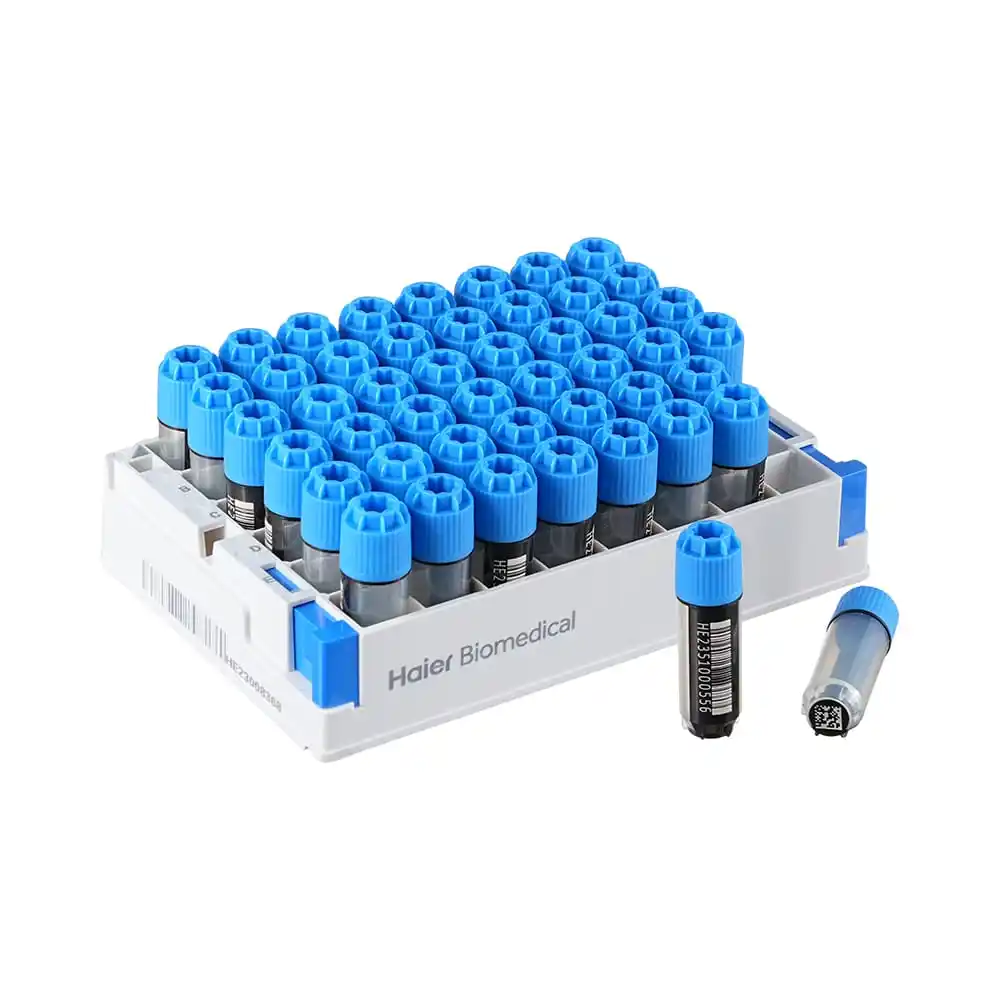
Technologically, plastic cryovials incorporate advanced polymer materials rated for temperatures reaching minus 196 degrees Celsius. The construction includes reinforced threads, precision-fitted caps, and graduated markings for accurate volume identification. Modern plastic cryovials often feature external labeling areas, enabling clear sample identification without compromising container integrity.
Applications for plastic cryovials span multiple scientific disciplines. Research institutions utilize these containers for long-term preservation of biological specimens. Clinical laboratories depend on plastic cryovials for storing diagnostic samples and vaccine preparations. Biotechnology companies employ them extensively in cell banking and genetic research programs. The versatility of plastic cryovials makes them suitable for both routine laboratory operations and specialized cryogenic preservation protocols.

 EN
EN