cryotube vials
Cryotube vials represent essential laboratory containers designed for the safe storage and preservation of biological samples at ultra-low temperatures. These specialized cryotube vials are engineered to maintain sample integrity during extended cryogenic storage, making them indispensable in research facilities, biobanks, and clinical laboratories worldwide.
The primary function of cryotube vials involves protecting valuable biological materials such as blood, plasma, tissue samples, and cellular cultures from degradation caused by temperature fluctuations and oxidative damage. Cryotube vials feature advanced construction using high-quality polypropylene or specialized polymer materials that resist embrittlement even at temperatures reaching -196°C in liquid nitrogen storage.
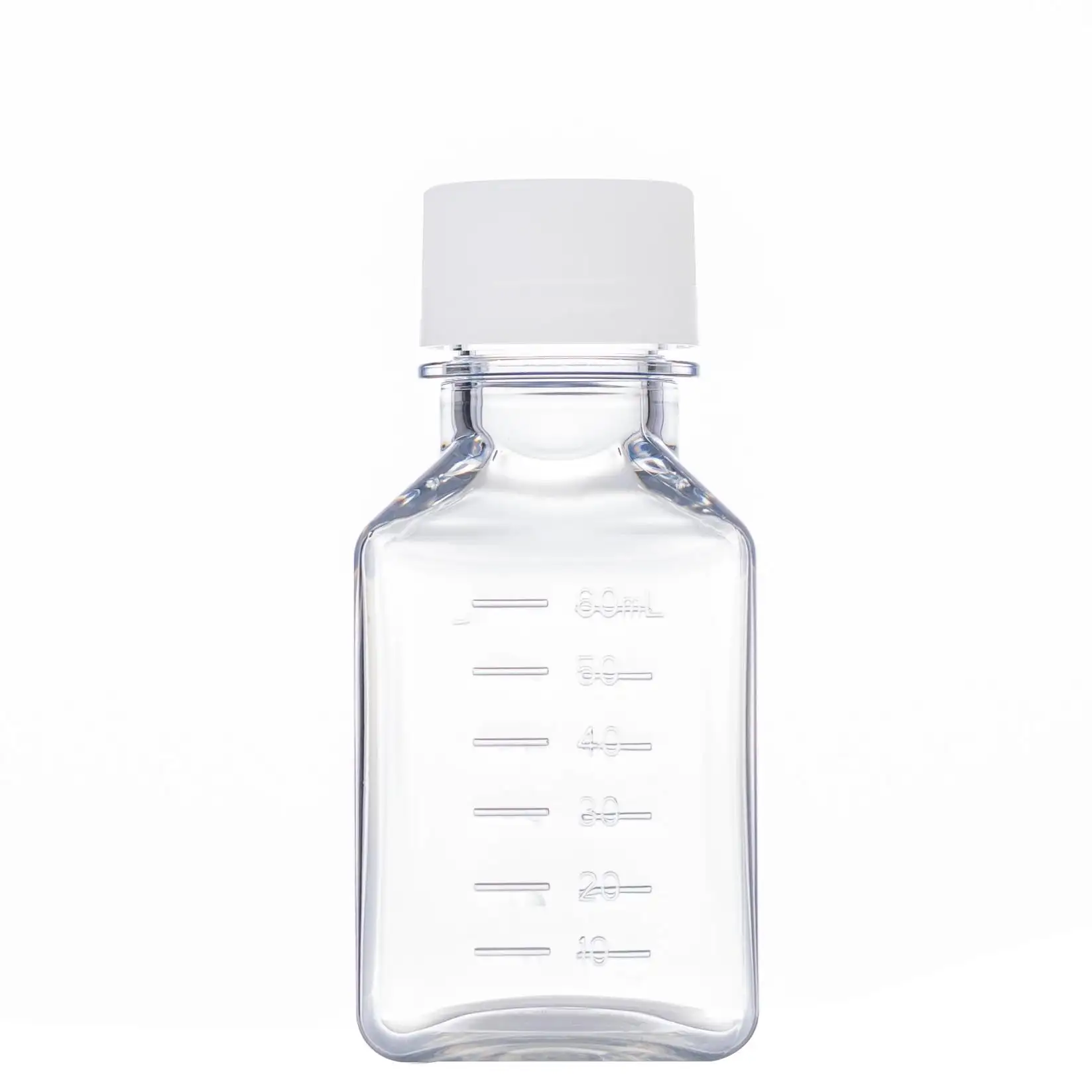
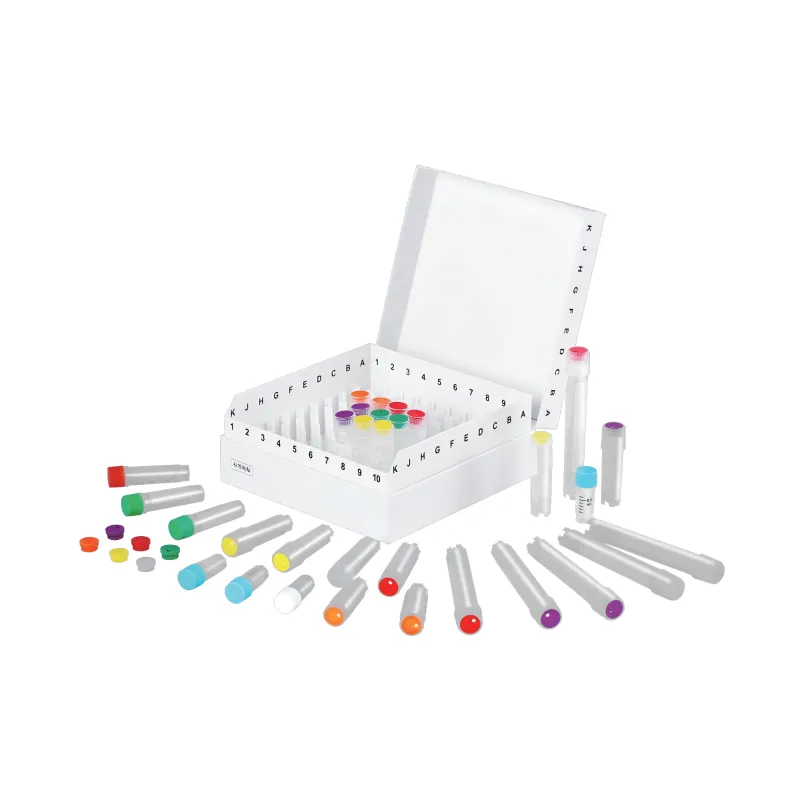
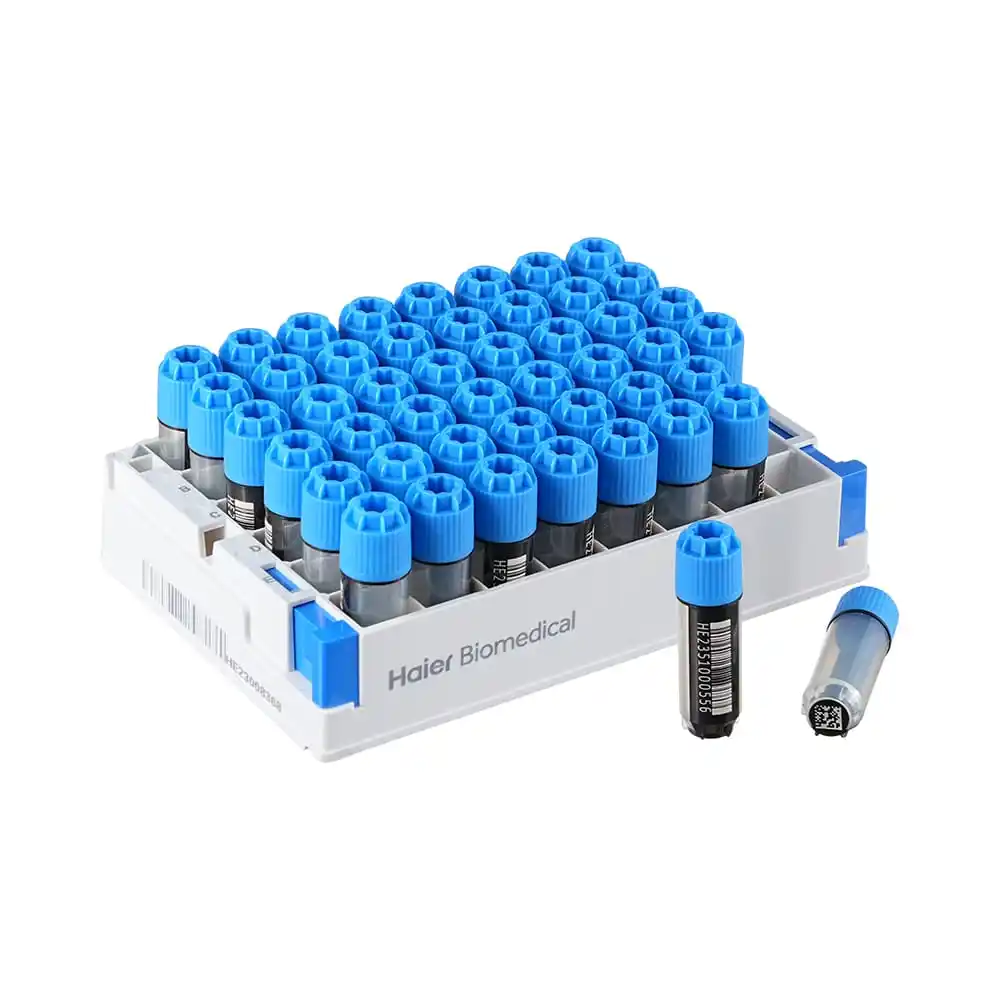
Technologically, modern cryotube vials incorporate several innovative features that distinguish them from standard storage containers. These include sterile internal surfaces, secure threaded caps with silicone gaskets, and precision-engineered dimensions that ensure compatibility with automated storage systems. Many cryotube vials include graduated volume markings and graduated calibration lines for accurate sample measurement.
Applications for cryotube vials span multiple scientific disciplines. Research institutions utilize cryotube vials for long-term preservation of genomic DNA, RNA samples, and protein solutions. Medical facilities depend on cryotube vials for storing patient specimens, including bone marrow, cord blood, and reproductive materials. Pharmaceutical companies employ cryotube vials during vaccine development and drug discovery processes. The versatility of cryotube vials makes them fundamental to modern biological research and clinical practice.

 EN
EN