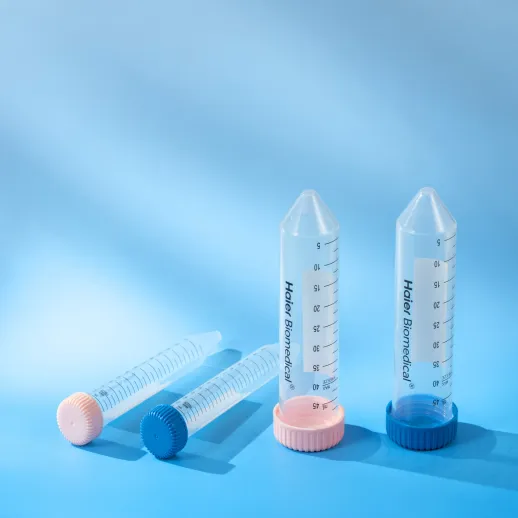
cell culture cryogenic tubes
Cell culture cryogenic tubes represent essential storage solutions for preserving biological samples at extremely low temperatures. These specialized containers are designed to maintain cell viability and integrity during long-term storage, making them indispensable in research laboratories, biobanks, and clinical settings. Cell culture cryogenic tubes utilize advanced thermal insulation technology to protect samples from temperature fluctuations and contamination risks.
The primary function of cell culture cryogenic tubes involves safely storing cultured cells, tissues, and biological materials in liquid nitrogen or ultra-low freezers at temperatures reaching minus 196 degrees Celsius. This extreme cold environment effectively halts cellular metabolism, preserving sample quality indefinitely. Cell culture cryogenic tubes come equipped with secure sealing mechanisms that prevent evaporation and cross-contamination between samples.
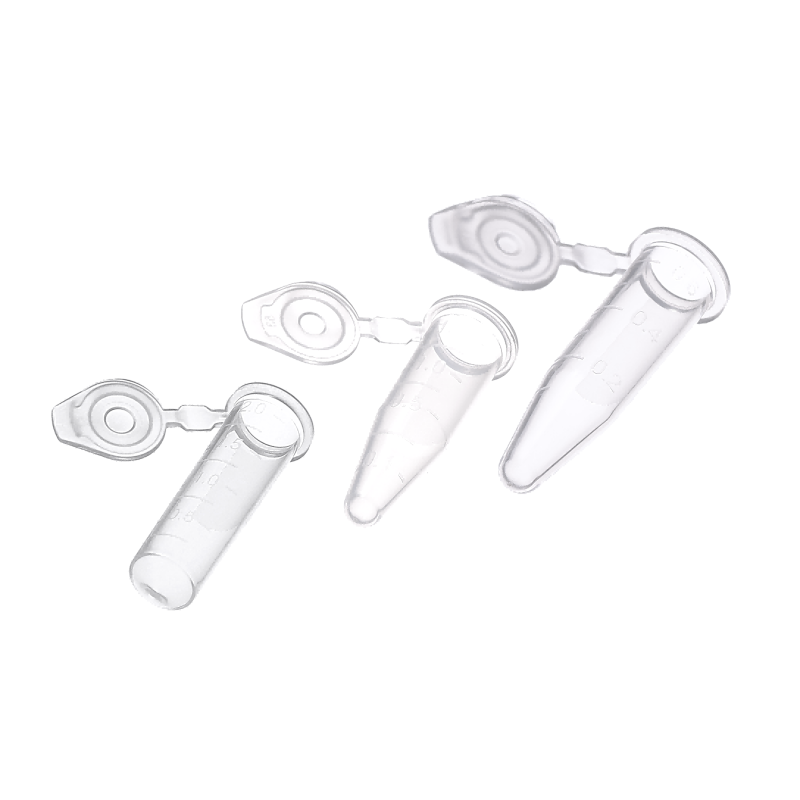
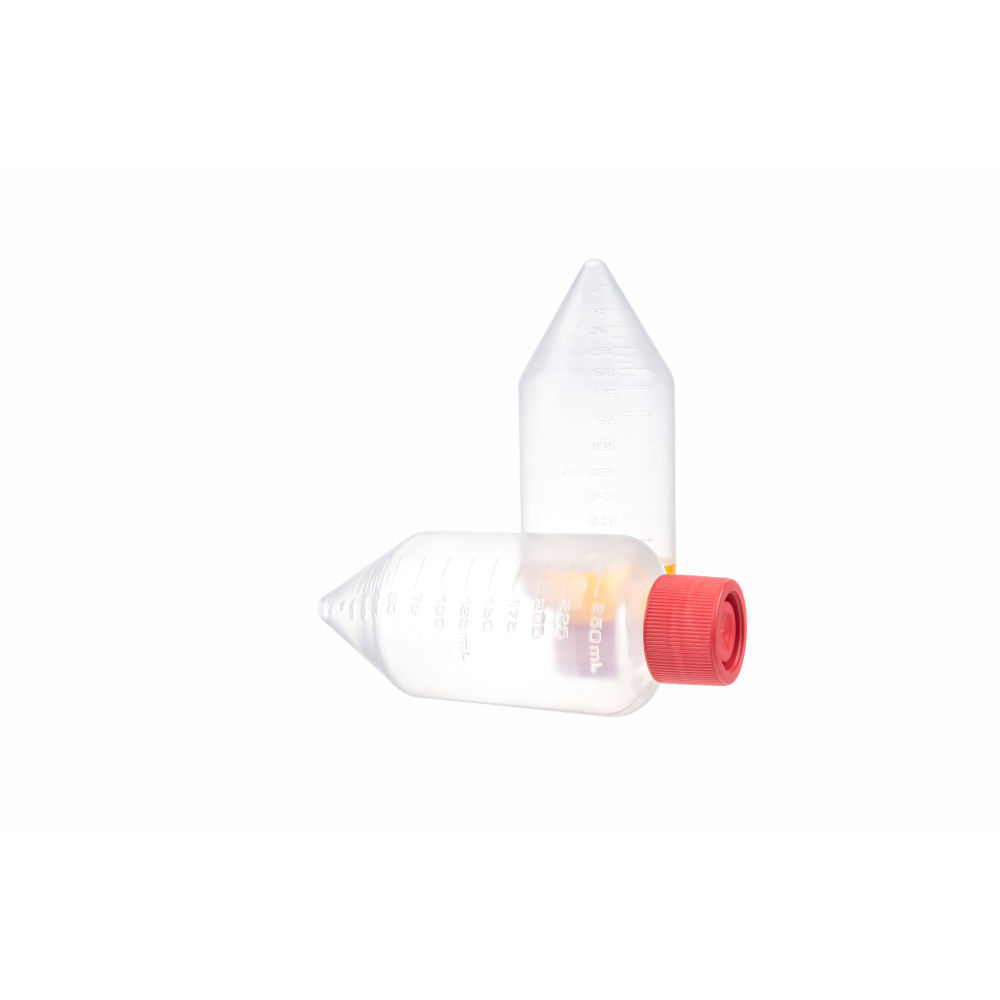
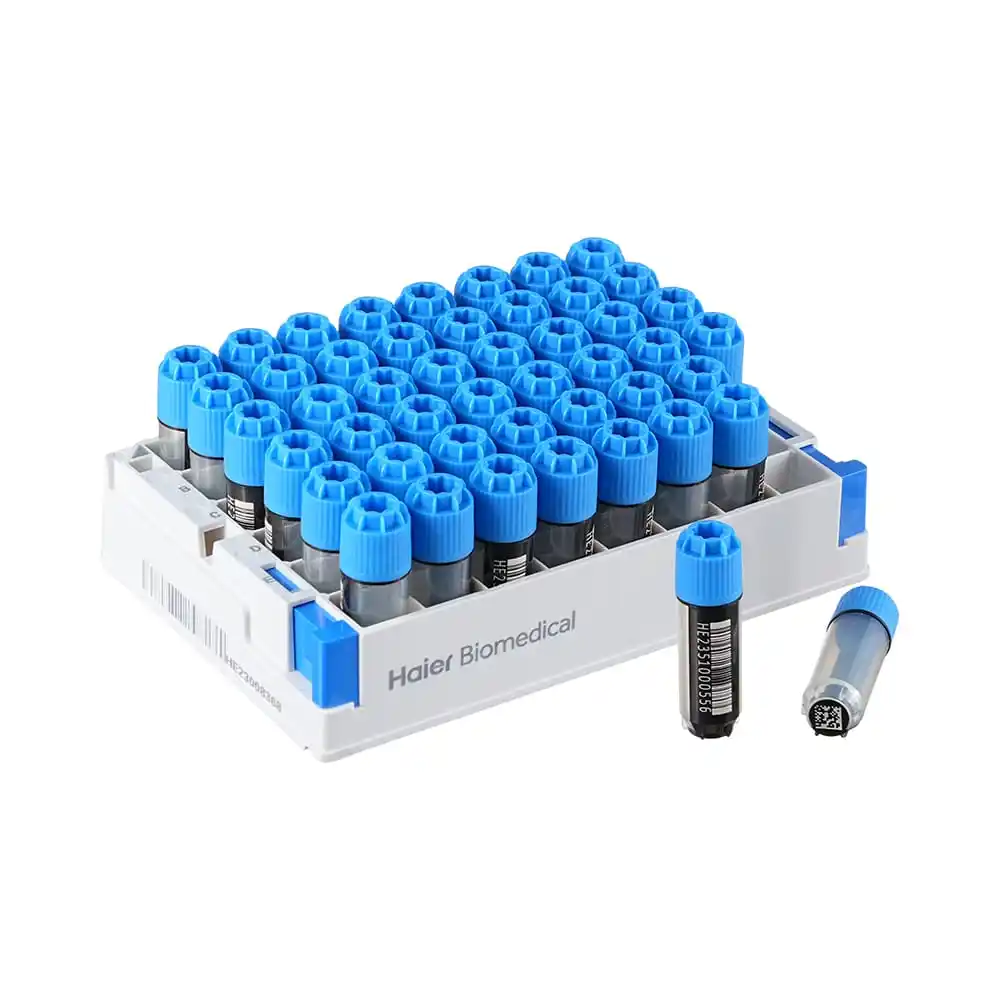
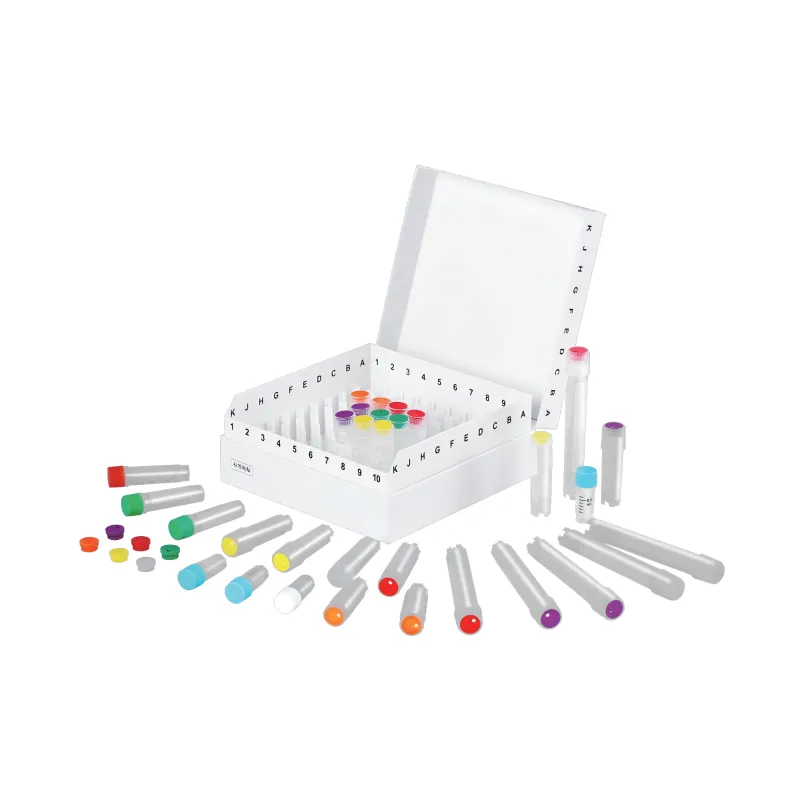
Technological features of modern cell culture cryogenic tubes include graduated volume markings for precise sample identification, durable polycarbonate or polypropylene construction, and specially designed caps that maintain sterility. Many cell culture cryogenic tubes incorporate barcode compatibility for automated tracking systems, enhancing inventory management and sample traceability. The tubes withstand repeated freeze-thaw cycles without compromising structural integrity or sample safety.
Applications span multiple scientific disciplines. Researchers use cell culture cryogenic tubes for preserving stem cells, primary cultures, and established cell lines. Pharmaceutical companies employ these tubes in drug development and testing protocols. Biobanks rely on cell culture cryogenic tubes to maintain extensive sample collections for future research and clinical diagnostics. The versatility and reliability of cell culture cryogenic tubes make them fundamental tools in modern biological science and medicine.

 EN
EN