pcr well plate
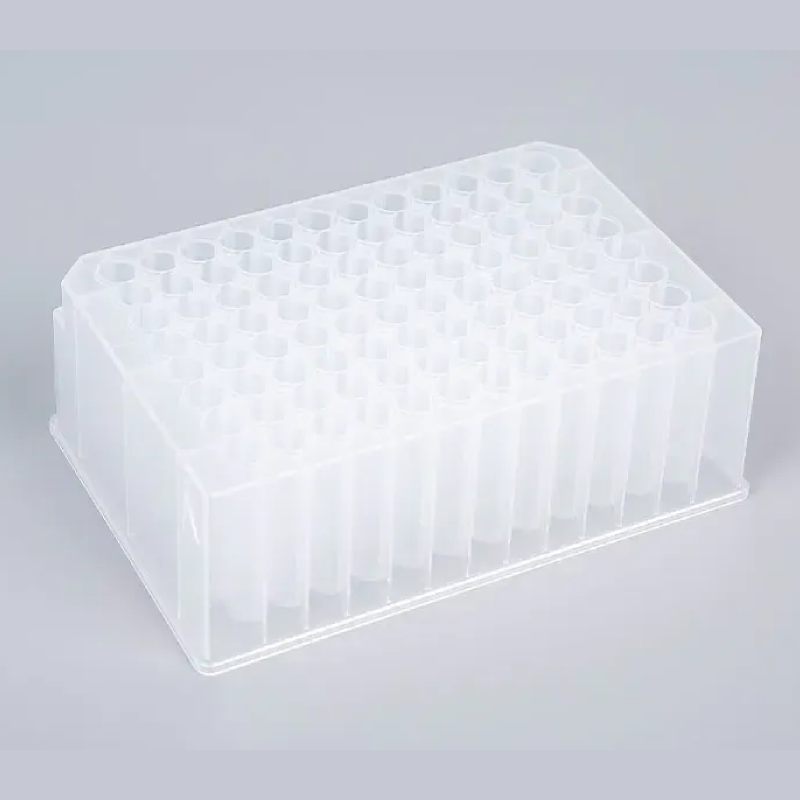
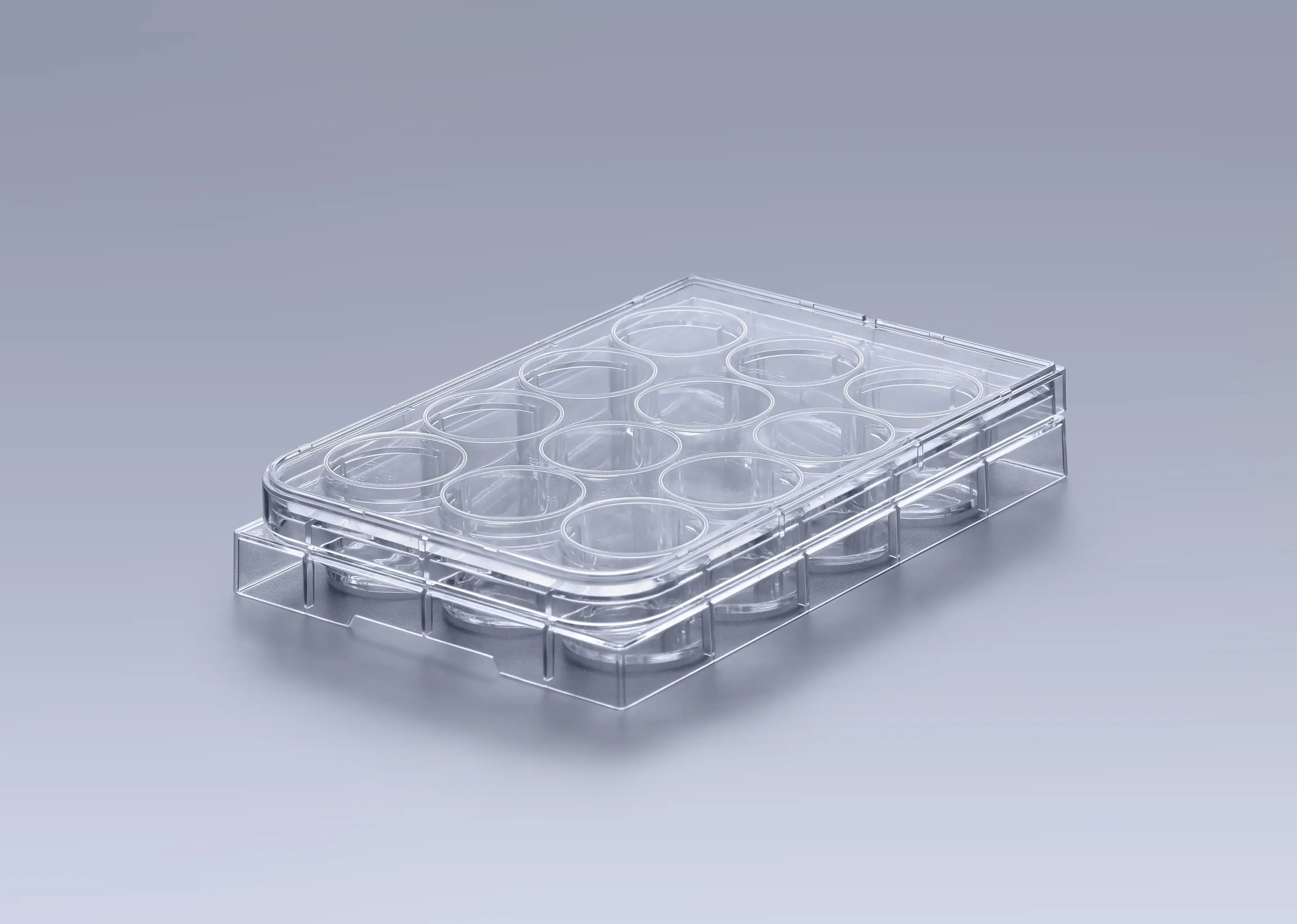
A PCR well plate is a specialized laboratory vessel designed to facilitate polymerase chain reaction processes with precision and efficiency. This essential tool consists of multiple individual wells arranged in a standardized grid format, typically containing 96, 384, or 1536 wells depending on the specific application requirements. Each PCR well plate is manufactured from high-quality polypropylene or other thermally stable materials that withstand the extreme temperature cycling necessary for DNA amplification.
The primary function of a PCR well plate is to hold DNA samples during thermal cycling, where temperatures fluctuate between 94°C and 72°C repeatedly. This temperature variation enables the denaturation, annealing, and extension phases critical to PCR amplification. The PCR well plate design ensures uniform heat distribution across all wells, promoting consistent and reliable results throughout the entire batch.
Technological features of a modern PCR well plate include raised edges to prevent cross-contamination, optical clarity for real-time fluorescence monitoring, and pre-cut strip formats for flexible sample processing. The PCR well plate accommodates automated pipetting systems, allowing laboratories to process multiple samples simultaneously with minimal human intervention.
Applications for the PCR well plate span diverse fields including clinical diagnostics, forensic analysis, infectious disease detection, and genetic research. Environmental testing, food safety verification, and pharmaceutical development also rely heavily on PCR well plate technology. The versatility and reliability of the PCR well plate make it indispensable in modern molecular biology laboratories worldwide.

 EN
EN